Tools
Tools
Last Updated on December 9, 2025
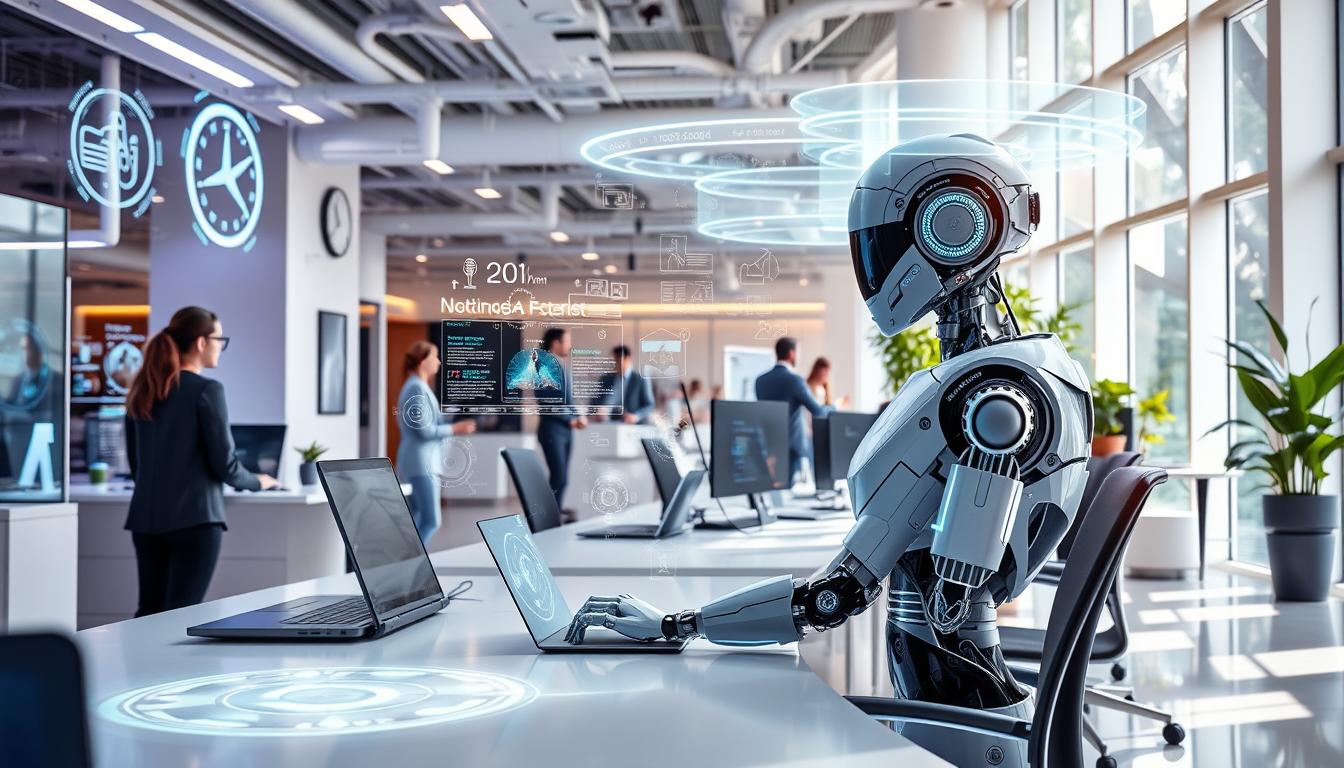
The workplace has undergone a significant transformation over the last decade. The rise of remote work has brought about enhanced flexibility and productivity. AI Remote Collaboration is leading this change, fundamentally altering how teams work remotely. It integrates artificial intelligence tools that automate routine tasks and enhance communication, allowing teams to focus on strategic goals.
AI-powered virtual assistants are becoming increasingly sophisticated. They can manage calendars, send reminders, and handle inquiries autonomously. This automation improves workflow, ensuring consistency and accuracy. Tools like real-time language translation and sentiment analysis enable teams to communicate effectively, transcending geographical barriers. Understanding these advancements reveals how AI enhances productivity and team dynamics.
The future of collaboration balances advanced technology with the human element. It ensures personal connections, empathy, and emotional intelligence remain crucial for teamwork success. This article will explore AI’s impact on communication, project management, and team performance in remote collaboration.
Key Takeaways
- Remote work has become a common practice, with over 50% of the global workforce working remotely.
- AI enhances collaboration by automating repetitive tasks, improving efficiency by up to 40%.
- AI assistants streamline administrative tasks, freeing time for creative work.
- Tools like Asana and Trello facilitate project management through automation.
- Real-time language translation and sentiment analysis improve team interactions.
- The future of remote work requires a harmonious blend of technology and human creativity.
- Personal connections and mental well-being are crucial for motivated remote teams.
Understanding the Shift to Remote Work
The modern workplace has seen a significant shift towards remote work. The COVID-19 pandemic accelerated this change, with about 50% of the workforce now working remotely at least once a week. Companies had to adapt quickly, leading to the widespread use of online collaboration platforms like Slack, Microsoft Teams, and Zoom. These tools have been crucial for teams to stay connected, regardless of their physical location.
Embracing remote work offers several benefits. It saves time on commuting and allows for more flexibility in your schedule. However, it also presents challenges, especially in communication and team dynamics. To overcome these, organizations are turning to remote workforce AI tools. These tools aim to improve collaboration, streamline workflows, and boost productivity among distributed teams.

Investing in AI-driven technologies helps address these challenges directly. For example, AI in online collaboration platforms automates tasks, improves communication, and enables real-time interaction. AI smart assistants can also simplify scheduling and remind you of deadlines, making your work environment more organized.
AI language translation tools help bridge communication gaps in diverse teams, promoting inclusivity. Enhanced analytics tools provide insights into productivity, helping identify areas for improvement. By adopting these technologies, organizations can optimize performance and support a better work-life balance. However, it’s crucial to manage data privacy and algorithmic biases responsibly as companies navigate this new landscape.
The Impact of AI on Communication Efficiency
AI is revolutionizing remote work communication. Advanced remote team communication software boosts interaction efficiency by up to 40%. This is thanks to real-time translation and automated responses, making conversations clearer and more effective.
Imagine a meeting where language barriers disappear thanks to AI. AI-enhanced tools enable smooth dialogue between colleagues worldwide. This leads to increased trust and understanding, essential for effective teamwork.
AI in communication strategies also allows for analyzing meeting recordings. This reveals insights that aid in making informed decisions. Investing in AI-driven solutions empowers leaders and boosts employee engagement. It helps counteract the isolation often felt in remote work.
As AI evolves, companies using these tools gain a competitive edge. Employees enjoy smarter communication platforms that simplify interactions. This leads to a happier, more engaged workforce. The potential for better operational efficiency and customer satisfaction is vast, driving sales and retention.
Companies using AI tools see not just increased productivity but also meaningful conversations. This marks a significant shift in workplace dynamics. With 85% of workers seeing AI’s potential to enhance teamwork, it’s clear AI will shape the future of remote collaboration.
AI Remote Collaboration: Transforming Team Dynamics
AI is transforming team dynamics in virtual teamwork. Platforms like Slack, Asana, and Trello use AI to analyze project needs and adjust priorities in real-time. This ensures your team stays aligned.
The shift to remote work has led to a rise in virtual team collaboration AI for better accountability and productivity. A report by Upwork predicts 22% of the American workforce will work remotely by 2025. This highlights the need for AI in collaborative dynamics to streamline project updates and improve communication.
A McKinsey survey found 85% of executives saw an increase in digital technologies for managing workflows post-pandemic. AI tools are crucial in addressing loneliness, affecting 20% of remote workers, as noted by Buffer. They help bridge gaps in remote settings by analyzing communication patterns.
TeamSync AI offers real-time assistance, making individuals feel included and connected, regardless of location. This boosts performance and inclusivity among team members. AI-driven chatbots and virtual assistants also make communication seamless, especially in diverse or spread-out teams.
AI can automate administrative tasks, freeing your team to focus on creative problem-solving. By embracing AI in collaborative dynamics, you gain predictive analytics. This helps forecast project outcomes based on past performance, aiding in strategic planning.
AI-Powered Virtual Assistants: The Future of Administrative Tasks
In today’s fast-paced work world, AI-powered virtual assistants are changing the game for administrative tasks. These smart tools handle tasks like scheduling, reminders, and calendar management. This frees you up to tackle more critical tasks.
Did you know that over 30% of key meeting insights are missed due to poor note-taking in virtual meetings? Tools like Otter.ai and Fireflies.ai boost meeting efficiency by 25%. They help you spend less time on routine tasks, making meetings more productive.
Looking ahead, more than 70% of remote-first companies will use AI to streamline meeting management. These systems not only make processes better but also keep your data safe. AI assistants work faster and more accurately than humans, cutting down on errors and giving you more time for important tasks.
AI tools also make teamwork better by improving communication and collaboration. They offer personalized experiences, enhancing client satisfaction and team relationships. As AI learns and adapts, it continually improves, boosting your productivity.
By adopting AI tools, you can revolutionize your administrative tasks. This not only boosts your performance but also reduces your workload. It’s a step towards a more efficient and effective work environment for your team.
Enhancing Virtual Meetings with AI Features
AI-driven virtual meetings are transforming team interactions and collaboration. By integrating advanced AI tools, online meetings become more productive and engaging. These tools bring significant features that enhance the overall experience.
Modern platforms now offer automated transcription for real-time note-taking. This feature lets participants focus on discussions, not on jotting down important points. Facial recognition technology also tracks attendee engagement. It identifies who needs more encouragement or is disengaged, crucial for team motivation.
Intelligent content sharing is another key feature. It ensures the right information reaches the right people at the right time. This streamlines idea sharing and boosts collaboration. With 89% of remote teams finding AI assistants helpful, it’s evident these innovations improve virtual meeting outcomes.
Organizations use these tools to make virtual meetings more interactive, boosting productivity. Studies show AI tools can significantly increase team efficiency and reduce project bottlenecks. By adopting AI features, virtual meetings can be as effective as in-person ones. This brings teams together seamlessly, regardless of their location. Embracing these technologies opens up new possibilities for collaboration, creativity, and innovation.
Natural Language Processing for Improved Team Interactions
Natural Language Processing (NLP) is key to better team interactions. It helps analyze dialogue and uncover valuable insights. Imagine using AI interaction tools to understand the true feelings behind messages, making discussions clearer.
By integrating NLP tools into your team’s workflow, communication becomes more precise. This leads to better project alignment, fostering unity and understanding. These tools also summarize discussions and pinpoint essential points, creating a more cohesive work environment.
- Real-time language translation breaks down barriers for international teams.
- Automated feedback mechanisms enhance communication response quality.
- AI-driven chatbots enable quick answers to team inquiries.
- Sentiment analysis aids in understanding team morale.
Tools that boost engagement and monitor interaction quality help build a strong communication framework. AI analytics provide unparalleled insights, driving continuous improvement. Adopting natural language processing in collaboration enhances communication and boosts team success.
AI-Driven Project Management Solutions
AI-driven project management tools are transforming remote project coordination. They automate tasks, saving you time. A Hubspot report shows teams using these tools save two hours and 24 minutes per day over non-users. This time gain boosts productivity and task management.
Asana and ClickUp are leading examples, offering features to streamline workflows. Asana’s automatic workflow section handles repetitive tasks and provides insights. It starts at free for individuals and $10.99 for the starter package. ClickUp, starting at $0, offers advanced features capped at $12.
ClickUp’s AI capabilities include content writing and translation, making tasks more efficient. Its G2 rating of 4.7 highlights its user-friendly interface and comprehensive features.
Microsoft’s Project Cortex and Trello use AI for better forecasting and planning. They automate task prioritization and deadline tracking. Platforms like Monday and Bitrix24 improve team communication and collaboration with AI.
As remote work becomes more prevalent, AI project management tools will become even more crucial. They enhance collaboration, prevent project pitfalls, and increase team efficiency and accountability.
Streamlining Workflows Through AI-Powered Automation
AI-powered workflow automation has revolutionized remote work for teams. It automates tasks like data entry and legal request intake, reducing errors and improving consistency. Platforms like Streamline AI offer real-time reporting and track requests by type, aiding in informed decision-making.
These platforms’ dashboards display crucial metrics, including time spent and response times. This data enables teams to make better decisions by understanding trends. AI enhances legal processes, such as sales and vendor agreements, boosting productivity and strategic focus.
Integration with tools like Slack and Salesforce keeps remote teams connected and collaborative. The software also ensures compliance by recording all actions and approvals. This centralized approach improves task management and accountability.
More companies are seeing AI’s value in boosting efficiency and productivity. Intelligent process automation (IPA) helps teams optimize workflows and manage tasks smoothly. Solutions like Trello, Monday.com, and Asana foster collaboration and task prioritization.
The rise in remote work demands effective automation solutions. Businesses are thriving by using AI tools for insights, feedback, and analytics. This approach not only keeps them competitive but also propels them forward.
Analyzing Team Performance Through AI Analytics
AI analytics for performance are crucial in changing how we evaluate team performance. They use data-driven team insights to uncover strengths and weaknesses. Tools like Lattice and Butterfly.ai analyze team performance metrics and provide tailored feedback. This makes performance management more effective.
AI’s predictive analytics spot potential risks and bottlenecks early, smoothing project flow. Task automation frees team members from mundane tasks, allowing them to concentrate on more critical work. Real-time sentiment analysis helps gauge team morale and tackle communication issues promptly.
AI tools enable continuous feedback loops, ensuring regular performance checks. AI-driven team-building activities boost community spirit in remote teams. Chatbots in platforms like Slack and Microsoft Teams manage inquiries and schedule meetings, improving team performance metrics.
Teams using advanced AI analytics gain deeper insights into employee performance and collaboration. Future trends include AI wellness programs for mental health monitoring and personalized training. Adopting these technologies lays the groundwork for a flexible, productive work environment, driven by data.
Future Trends in AI and Remote Collaboration Technologies
The landscape of remote work is undergoing a significant transformation. As you explore the future of remote collaboration, it’s crucial to keep up with the latest trends in AI collaboration tools. The fusion of AI and collaboration technologies is set to revolutionize how teams interact and collaborate.
Automation of mundane tasks is a notable trend. AI will increasingly handle repetitive tasks such as data entry and invoicing. This shift empowers remote employees to focus on strategic and creative tasks, boosting overall productivity.
AI-driven virtual assistants are another innovation. These tools help manage time by organizing schedules, tasks, and reminders. As AI technologies advance, you can anticipate smoother workflows and better team coordination.
Enhanced cybersecurity is more critical than ever. AI-powered cybersecurity tools are essential for safeguarding sensitive data in remote settings. These solutions offer real-time threat detection, crucial for businesses operating outside traditional office environments.
Predictive analytics will be key in decision-making. AI analytics tools will help teams spot patterns and anomalies in data, facilitating quick and informed decisions. This capability enhances agility, enabling teams to tackle challenges more effectively.
AI-enhanced communication tools will also transform remote collaboration. Chatbots and natural language processing solutions will enhance team interactions, reducing misunderstandings and promoting a collaborative atmosphere.
AI technologies will also support sustainable practices. They will help optimize energy usage and waste management, enabling organizations to reduce their carbon footprint while benefiting from remote work structures.
- Increased adoption of AI-driven training modules
- Advancements in virtual reality environments for remote training
- Onboarding and skill development enhanced through personalized learning paths
Adopting these future trends in AI and remote collaboration technologies will empower your team to excel in a rapidly changing work environment. The importance of soft skills will grow, with creativity and adaptability becoming vital as AI handles routine tasks.
Conclusion
The integration of AI remote collaboration tools is transforming the future of work. With 84% of workers confirming their remote teams can match in-house productivity, technology bridges geographical gaps. AI enhances communication, with 64% of employees preferring video calls with AI features for smoother interactions. Adapting to these innovations is crucial for remote team success.
As organizations look ahead, nearly 70% believe AI will significantly improve team collaboration. Yet, it’s vital to balance technology with human connection. AI tools offer valuable insights and streamline workflows, but fostering strong interpersonal relationships is essential for a cohesive work culture. Remember, strong team dynamics, combined with automation and AI, are vital for success in this evolving landscape.
In conclusion, with 32.6 million Americans expected to work remotely by 2025, embracing AI while maintaining human-centric communication is key. As you navigate remote work complexities, view AI as a partner in creating an engaging, productive, and secure work environment for all.