Tools
Tools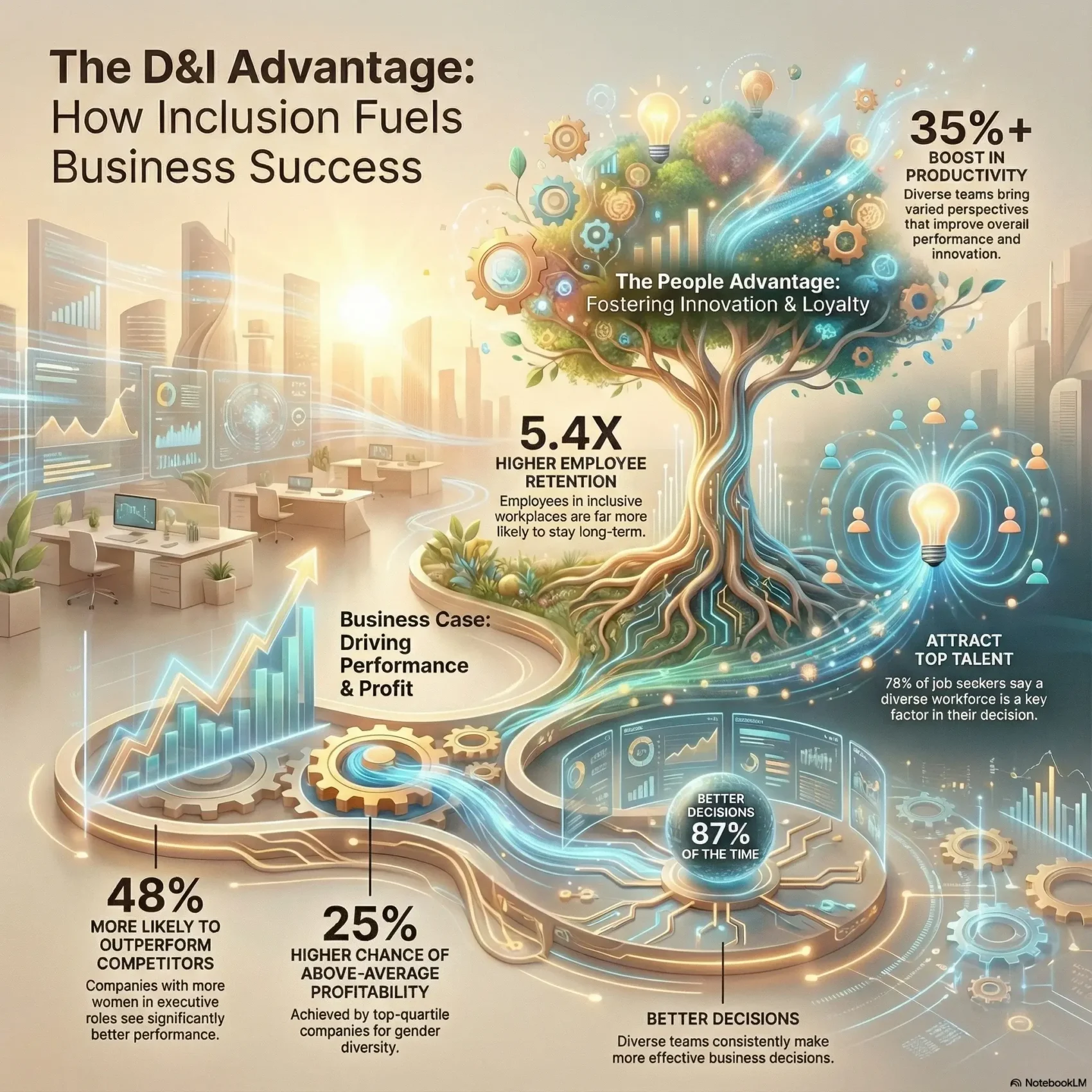
Last Updated on January 3, 2026
The role of diversity and inclusion in the workplace is crucial. In today’s complex market, embracing these principles equips businesses to face challenges effectively. Diversity and inclusion initiatives create a positive work culture, boost employee engagement, and stimulate creativity and innovation. By integrating these strategies, companies mirror their diverse customer base, leading to better customer relations and market expansion.
Studies consistently link strong D&I practices with superior financial outcomes and higher employee retention. Investing in diversity, equity, and inclusion not only enhances workplace dynamics but also the bottom line. This makes these initiatives vital for businesses aiming to succeed in a diverse environment.
Key Takeaways
- Diversity in the workplace leads to increased innovation and a competitive edge.
- Companies focusing on diversity and inclusion initiatives see higher employee retention and satisfaction.
- A diverse team is more likely to understand and meet the needs of a varied customer base.
- Investment in diversity and inclusion strategies can significantly boost financial performance.
- An inclusive culture enhances employee morale and fosters a positive working atmosphere.
- Embracing diversity prepares organizations to adapt and thrive in diverse markets.
- Organizations with strong D&I practices attract top talent and maintain a better workforce stability.
Understanding Diversity and Inclusion in the Workplace
Diversity means having a mix of different groups in an organization, like races, genders, ethnicities, ages, and sexual orientations. The diversity and inclusion definition also looks at how well these groups fit into the workplace. Ideal workplaces focus on workplace inclusion, making sure everyone feels valued and can share their unique views.
Statistics show that 56% of U.S. workers believe improving Diversity, Equity, and Inclusion (DEI) at work is crucial. About 61% say their companies have policies for fair hiring, pay, or promotions. Yet, 54% think their company does enough for DEI, but opinions vary by group. For instance, 28% of Black workers feel their employer doesn’t focus enough on DEI efforts.
Having a culture that truly values inclusion boosts the workplace. When employees feel seen, they’re happier and more likely to stay. For example, 32% of workers think it’s key to be in a diverse team, and 26% want equal numbers of men and women. These facts highlight the need to deeply understand diversity and actively work on creating inclusive spaces.
The Business Case for Diversity and Inclusion
Investing in diversity and inclusion is a strategic move that reshapes your company’s landscape. It’s not just a moral duty. Businesses with diverse workforces outperform their peers consistently. These organizations benefit from a variety of perspectives, enhancing problem-solving and innovation.
A business case for diversity goes beyond mere compliance. It highlights how diverse teams lead to higher engagement and profitability. This approach is a key driver of success.
Companies that prioritize diversity, equity, and inclusion see clear financial benefits. For example, those with more women in executive roles are 48 percent more likely to outperform competitors. Top companies for gender diversity have a 25 percent higher chance of achieving above-average profitability. This underscores the strong ROI of diversity initiatives.
In today’s competitive world, understanding the diverse needs of customers is vital. Companies that mirror their communities can better tailor their offerings, increasing market appeal. Diverse teams foster a sense of belonging, leading to higher productivity and success.
Embracing diversity leads to better collaboration and ideas, preventing stymied progress. Diverse workplaces build trust, creating an environment where everyone can excel. By prioritizing diversity, equity, and inclusion, you set the stage for growth and a competitive edge.
Diversity Inclusion Trends
Diversity inclusion trends are now crucial for companies aiming to improve their workplace culture. Recent data shows a big change in how companies view diversity, equity, and inclusion (DEI) efforts. They realize that creating an inclusive workplace not only supports ethical practices but also boosts financial success.
Current Statistics on Workplace Diversity
Workplace diversity statistics show that companies use data analytics to check how well their DEI efforts work. Companies with strong diversity programs draw in a wider range of talent. For example, 34% of global insurers see data analytics as a key strategic focus, highlighting the importance of data in DEI strategies. Also, supporting employee resource groups (ERGs) helps create a more inclusive culture, leading to better workplace relationships.
Shifts in Corporate Attitudes
There’s a big rise in companies’ commitment to diversity. They’re moving to hybrid work models to attract diverse talent. As attitudes change, the focus is on pay equity, unbiased hiring, and inclusive benefits. This shift shows a deeper understanding that equitable workplaces lead to better productivity and profits. Allyship is becoming more important as people support marginalized communities, making the workplace more supportive. The need for transparency in DEI outcomes is crucial, as employee satisfaction with diversity efforts is growing.
Benefits of Diverse Teams
Diverse teams bring about significant advantages that go beyond just representation. By bringing together individuals from different backgrounds and cultures, you tap into a deep well of creative problem-solving and innovative ideas. This diversity not only boosts team performance but also increases productivity by over 35%. Companies that embrace diversity often see a notable impact on their financial outcomes, such as a 25% higher likelihood of outperforming competitors.
Enhanced Problem-Solving and Innovation
The decision-making prowess of diverse teams is striking. Research reveals that these teams make better decisions 87% of the time. This is due to the broad range of perspectives that lead to more holistic solutions. For instance, companies with diverse sales teams attribute 60% of their success to this diversity. In today’s fast-paced world, fostering environments that encourage innovation is crucial.
Increased Employee Retention and Satisfaction
Inclusive workplaces lead to higher employee satisfaction and retention. Studies indicate that employees in diverse companies are 5.4 times more likely to remain with their employer for the long haul. This loyalty stems from feeling valued and respected in their roles. Moreover, 76% of employees consider diversity a key factor when evaluating job offers. A transparent and genuine commitment to diversity can greatly enhance retention rates and draw in top talent.
Creating Effective Diversity and Inclusion Strategies
For organizations aiming to promote equality and benefit from a diverse workforce, an effective diversity and inclusion strategy is crucial. A structured approach ensures that your initiatives resonate with employees and align with your business goals.
Setting Clear Goals for D&I Initiatives
To drive success in your D&I initiatives, set realistic and measurable goals. This allows your organization to track progress and make necessary adjustments. Key areas to focus on may include:
- Identifying underrepresented groups within your workforce
- Improving hiring practices to reduce unconscious biases
- Enhancing employee retention rates through inclusive culture
Such clear objectives will guide the development and implementation stages of your initiatives, ensuring they are effective and meaningful.
Engaging Leadership and Employees
Leadership engagement in diversity is key to fostering an inclusive environment. Senior leaders should actively participate in D&I discussions and model inclusive behavior. Encouraging leadership involvement helps in:
- Securing buy-in from all levels of the organization
- Establishing diverse committees that reflect the workforce’s demographics
- Creating a culture where everyone feels valued and heard
Involving your employees in the development of D&I initiatives not only fosters a sense of ownership but also ensures the strategies created genuinely reflect the needs of the workforce.
Diversity and Inclusion Initiatives in Action
Exploring how organizations implement diversity and inclusion initiatives is crucial. Many businesses have adopted effective diversity programs, significantly improving their environments. These actions show companies recognizing diversity’s value in boosting employee engagement and satisfaction.
Successful Company Case Studies
Case studies reveal companies benefiting from their diversity commitment. Leading tech firms invested in training that promotes mutual respect. This led to better financial outcomes and higher employee morale and retention. Such evidence underscores that prioritizing diversity aids in innovation and market adaptation.
Programs that Make a Difference
Organizations are launching programs that significantly enhance inclusion. Mentorship programs help diverse employees to excel and grow. Recruitment strategies aim to draw in a broad talent pool, enriching the organization with varied perspectives and ideas. Assessing the impact of these initiatives is vital, allowing for continuous improvement. These strategies demonstrate how intentional diversity and inclusion efforts can transform workplace culture.
The Role of Diversity and Inclusion Training
Diversity and inclusion training is vital for shaping a workplace culture that boosts employee engagement. It helps organizations create an environment where every employee feels valued. This approach ensures that all team members contribute fully to the company’s success.
Types of Training Programs
Organizations can choose from various diversity and inclusion training programs to meet their unique needs. Some of the most effective options include:
- Unconscious bias training, focusing on recognizing and mitigating biases in decision-making.
- Cultural competency workshops, aimed at building understanding and appreciation for diverse cultures.
- Bystander intervention training, which empowers employees to take action against discriminatory behavior.
- Inclusive leadership training, designed to equip managers with skills to foster an inclusive work environment.
Measuring Training Effectiveness
It’s crucial to measure the impact of diversity and inclusion training to assess its effectiveness. Organizations should employ several evaluation methods, such as:
- Employee feedback through surveys and assessments to gauge participants’ perceptions and experiences.
- Retention rates and overall engagement scores following training initiatives, indicating the long-term impact.
- Diversity metrics of teams post-training, revealing changes in workplace demographics and dynamics.
- Conducting individual interviews and focus groups to gather in-depth insights on training outcomes.
Regular evaluation and adjustment of training programs are key to continuous improvement. This ensures that diversity and inclusion training efforts lead to significant, lasting change within the organization.
Overcoming Barriers to Diversity and Inclusion
Organizations face numerous challenges in inclusion initiatives that impede effective diversity and inclusion. It’s vital to acknowledge these hurdles to progress. Common hurdles include unconscious biases, resistance to change, and inadequate leadership development. Surveys reveal that while 95% of leaders and 75% of employees value their organizations’ D&I efforts, there’s a gap in actual implementation.
Identifying Common Challenges
A key challenge is the lack of a robust strategy. Without a clear plan, efforts can be fragmented or fall short. A notable 69% of employers claim to have a formal Diversity, Equity, and Inclusion (DEI) program, yet only 49% of employees agree, pointing to a disconnect that must be bridged. Moreover, the investment in diversity training reaches up to $8 billion annually, yet, many organizations struggle to deeply embed these values.
Strategies to Address Resistance
Effective strategies for enhancing D&I focus on communication and accountability. Encouraging open discussions about diversity cultivates a transparent culture. Educating employees on the advantages of a diverse workforce can alter their views. Setting quantifiable goals and monitoring progress regularly bolsters commitment to these efforts. A clear social contract with leadership sets expectations for behavioral change, aligning with the organization’s ethos.
To foster inclusivity, sensitization workshops led by experts can notably enhance workplace interactions. Developing inclusive leadership standards challenges traditional norms and fosters a culture of psychological safety. This makes the workplace more engaging and supportive for all. For deeper insights on cultivating a sustainable business, explore this useful resource.
Diversity and Inclusion Best Practices
To build an inclusive culture, it’s crucial to adopt effective diversity and inclusion strategies. Companies should focus on encouraging open dialogue, creating supportive spaces, and involving employees in the process. For meaningful change, consider these strategies:
Creating an Inclusive Company Culture
Creating an inclusive culture means being proactive in diversity efforts. Essential practices include:
- Setting up employee resource groups to help diverse individuals connect.
- Providing flexible work options to meet various needs and lifestyles.
- Ensuring clear career paths, especially for underrepresented groups.
- Creating a safe space for employees to share concerns and ideas.
Leadership must be actively involved. Recognizing and addressing systemic issues and valuing diverse identities boosts the effectiveness of D&I efforts. This approach not only builds a sense of belonging but also increases productivity and team engagement.
Continuous Improvement and Feedback Loops
Commitment to ongoing improvement is key for diversity initiatives to succeed. Feedback is crucial in refining strategies and boosting employee satisfaction. To ensure effective feedback, organizations should:
- Conduct regular surveys on D&I experiences and feelings of inclusion.
- Analyze gender and race in attrition data to pinpoint concerns.
- Hold leaders responsible for implementing feedback-driven changes.
- Host open forums for sharing experiences and thoughts.
These feedback loops not only enhance diversity strategies but also lead to a sustainable, thriving workplace. The dedication to continuous evaluation and improvement shows a commitment to maintaining an inclusive culture.
The Importance of Cognitive Diversity
Cognitive diversity is key to boosting business performance by bringing together diverse perspectives and problem-solving methods. It highlights the distinct experiences and backgrounds of individuals, enriching discussions and sparking innovation. In such teams, unique ideas thrive, leading to quicker problem-solving and better adaptability to change.
What is Cognitive Diversity?
Cognitive diversity encompasses the varied thought processes and viewpoints individuals bring due to their unique life experiences. Research indicates that teams with diverse thought can solve problems up to three times faster than homogeneous teams. This not only accelerates decision-making but also nurtures a culture where diverse ideas drive success.
Benefits to Business Outcomes
The advantages of cognitive diversity are numerous. Diverse teams can experience an innovation boost of over 20 percent. Additionally, they resolve issues more efficiently, improving processes and boosting employee engagement. Cognitive diversity promotes empathy, creating a more collaborative and inclusive workplace. By valuing cognitive diversity, companies can better navigate market complexities, leading to significant and lasting business success.