Tools
Tools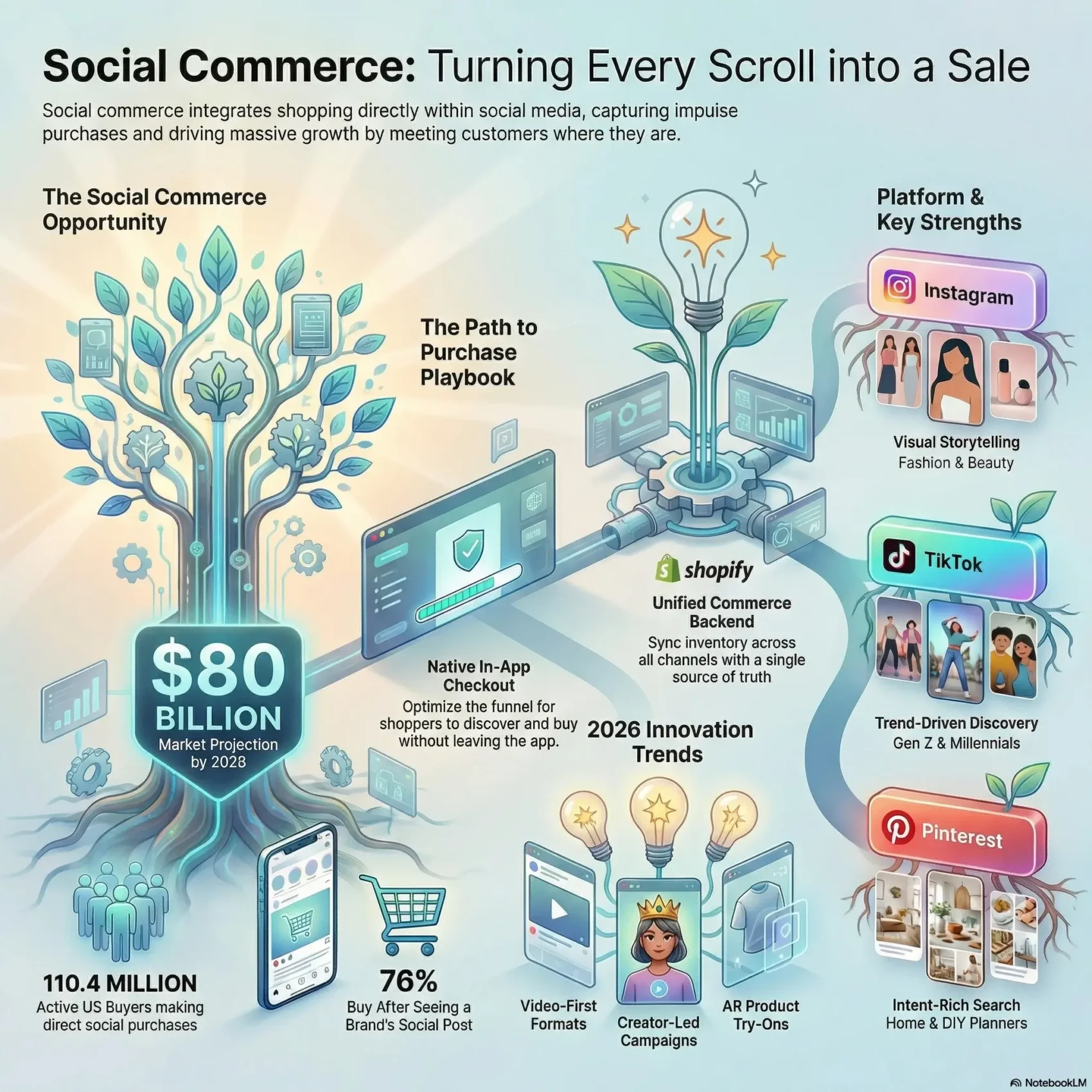
Last Updated on March 25, 2026
Social commerce is transforming online shopping, merging e-commerce with social media. This trend has seen rapid growth, especially during the pandemic. Businesses are now using new strategies to engage consumers and increase sales. In 2021, U.S. consumers spent $37 billion on social-commerce platforms. This number is expected to reach nearly $80 billion by 2025.
The role of social commerce in digital marketing is crucial. The global social-commerce market is projected to exceed $2 trillion soon. Platforms like Instagram, Pinterest, and TikTok are improving their shopping features. This allows brands to better connect with their audience. In this article, we explore social commerce’s evolution, benefits, challenges, and future trends. We aim to provide you with insights to maximize its potential.
Key Takeaways
- Social commerce integrates social media with online shopping, enhancing user experience.
- In 2025, the US social commerce market is forecasted to grow to nearly $80 billion.
- Platforms like Instagram and TikTok are at the forefront of social commerce growth.
- Data analytics and AI are set to personalize marketing strategies in social commerce.
- Augmented reality is becoming an essential tool for interactive online shopping experiences.
Understanding Social Commerce
In the ever-changing world of online shopping, social commerce is a key player. It combines social media marketing with e-commerce, allowing businesses to connect with customers and process transactions on social platforms. Grasping its definition and core concepts is crucial for developing effective strategies.
Definition and Key Concepts
Social commerce uses social media to facilitate transactions and increase customer interaction. It differs from traditional e-commerce by focusing on storytelling and building genuine connections. Key elements include:
- Shoppable posts: Content that lets users buy directly from their feeds.
- In-app checkout: A smooth process for purchasing without leaving the social media site.
- User-generated content: Posts and comments from users that boost engagement and community.
Importance in the Digital Age
The importance of social commerce is increasing with the digital age’s rapid growth. It enables businesses to connect with consumers on platforms like TikTok and Instagram, reaching more people. Recent data shows:
- Social commerce sales are expected to reach $1.7 trillion by 2024, up from $992 billion in 2022.
- About 30% of U.S. social media users have bought something after seeing an influencer’s post.
- Video content now accounts for 42.5% of the social commerce market, highlighting its importance.
These figures underscore the need for a strong social media strategy. Direct engagement with customers through social media marketing improves user experience, boosts loyalty, and increases sales. It’s a vital part of any digital strategy.
The Evolution of Social Commerce
The evolution of social commerce reveals a sector that has grown and transformed significantly. Initially, social selling involved simple sharing, evolving into complex shopping experiences. This evolution introduced features like shoppable posts and live events, enhancing online shopping. Brands now use social media to connect with their audience more effectively, marking a shift in e-commerce.
Historical Context
In 2005, Yahoo! introduced the Pick Lists feature, marking the beginning of social commerce. Businesses soon recognized social media’s potential to increase sales. Today, platforms like Facebook and Instagram are crucial for their strategies. With smartphones becoming ubiquitous, social commerce’s reach has expanded dramatically.
Facebook’s Marketplace now attracts over 1 billion users monthly, while in the U.S., 36% of internet users engage in social buying. This trend shows a clear shift towards combining social media with shopping.
Technological Advancements Driving Growth
Technological advancements have been key to social commerce’s growth. Innovations like mobile app development and artificial intelligence have changed online interactions. The demand for better user interfaces has driven companies to create more engaging shopping experiences.
By 2025, social commerce is projected to hit $2 trillion, highlighting the rapid growth fueled by technology. For deeper insights into e-commerce trends, explore resources at e-commerce trends.

Key Features and Technologies in Social Commerce
Social commerce uses cutting-edge technologies to improve user experiences and make buying easier. It includes shoppable posts, in-app checkout, and augmented reality in shopping. These features meet consumer needs and help brands increase sales.
Shoppable Posts and In-App Checkout
Shoppable posts are key in social commerce, letting you buy products directly from posts on Instagram and Facebook. By clicking on tagged items, you can see product details and buy without leaving the app. This makes buying quick and easy, boosting sales and encouraging spontaneous purchases.
Augmented Reality (AR) Integration
Augmented reality in shopping changes how we interact with products online. It lets you try on clothes, makeup, or see furniture in your space before buying. Snapchat and Instagram lead this trend, offering AR features that boost your confidence in purchases. This mix of technology and social commerce makes shopping more enjoyable and engaging.
Benefits of Social Commerce
Social commerce brings numerous advantages, changing how you connect with customers and boost your brand’s online presence. As you explore this evolving field, you’ll see how social media can greatly benefit your business.
Enhanced Customer Experience
Interactive tools like live streaming and user-generated content make social commerce a better shopping experience. Brands can interact with their audience in real-time, making shopping more personal and fun. This interaction builds trust and creates a sense of community among users.
Increased Reach and Engagement
Using social media platforms can expand your reach significantly. With about 4.6 billion active social media users globally, the potential for more engagement is huge. Platforms like Facebook and Instagram, with billions of monthly users, help your brand connect with a wide range of audiences.
Cost-Effective Marketing Strategies
Social commerce provides cost-effective marketing strategies that deliver great results. Partnering with influencers on these platforms can offer significant exposure at a lower cost than traditional ads. This approach saves money and fosters genuine engagement, leading to loyal customers.
Challenges of Social Commerce
Social commerce is booming, but it comes with its own set of challenges. Businesses must tackle these issues to keep consumer trust and ensure growth. Privacy concerns, security risks, and platform dependency are the main hurdles.
Privacy and Security Concerns
Data breaches are a growing concern in today’s digital world. As consumers become more aware of personal data management, businesses must be transparent about their data practices. Implementing strong security measures is crucial to protect against fraud and unauthorized data use.
Ensuring data security is not just a legal requirement; it fosters trust. When customers feel secure, they are more likely to shop on social platforms.
Platform Dependency Risks
Businesses often rely heavily on big social media players like Instagram and Facebook. Changes in algorithms or policies can significantly affect user engagement and sales. For example, a sudden change in how products are displayed can drastically reduce your visibility.
To avoid these risks, diversify your presence across different platforms. This approach helps you adapt to the unpredictability of any single social network. By engaging with various platforms, you can expand your audience and reduce dependency on a single platform.
Social Commerce: Strategies for Businesses
To thrive in social commerce, businesses must tailor their strategies. Choosing the right social media platforms is crucial for engaging audiences. Instagram and TikTok, favored by younger demographics, are ideal for brand interactions. These platforms enhance visibility and connection with target markets.
Choosing the Right Social Media Platforms
Identifying the most suitable social media platforms is key to success. Consider these factors:
- Demographic alignment with product offerings
- Platform-specific content potential
- Engagement statistics and user behaviors
Brands should analyze where their potential customers are most active. Instagram and TikTok are hubs for influencer marketing, engaging millions with interactive content. In 2020, micro-influencers showed impressive engagement rates, highlighting strong community presence.
Leveraging User-Generated Content and Influencers
User-generated content builds trust with customers, resonating deeply with potential buyers. Seeing images from previous customers encourages 50% of consumers to make purchases. Authentic content makes brands relatable to audiences.
Engaging with influencers amplifies these efforts. Viya’s $125 million in sales via livestreams shows the power of the right partnerships. Influencer marketing boosts brand awareness and fosters direct connections with consumers, increasing credibility. A successful strategy can lead to up to a 22% sales increase, as seen with Kiehl’s Facebook campaign in Vietnam.
As social commerce evolves, businesses must adapt their marketing and operational practices. Introducing agile processes is essential to stay relevant and responsive in this dynamic digital retail setting.
Successful Case Studies in Social Commerce
Businesses have made significant strides in leveraging social commerce, shown through various successful case studies. These highlight effective strategies. Platforms like Instagram and Pinterest have had a profound impact, especially for fashion brands and home décor marketing. Here, we explore notable examples and the remarkable results they achieved by embracing social commerce.
Instagram’s Impact on Fashion Brands
Instagram is a powerhouse for fashion brands, enabling them to implement shoppable posts. This transforms the shopping experience. Brands like Fashion Nova and Gymshark effectively use the platform’s visual nature to connect with their audiences. Successful case studies show how these brands have boosted sales through influencer collaborations, significantly enhancing reach and engagement.
With Instagram Shopping, brands create storefronts. This allows customers to discover products seamlessly, increasing transaction ease.
Pinterest’s Role in Home Décor Marketing
Pinterest is crucial in home décor marketing, offering a unique visual discovery platform. Brands such as Wayfair and IKEA use curated boards to showcase products, driving substantial traffic to their websites. Successful case studies demonstrate the effectiveness of using Pinterest Tag for conversions and Shopping Ads.
These features help create a fulfilling shopping experience. By exhibiting their designs and styles, these brands capture the attention of potential customers. This encourages higher engagement rates.
Future Trends in Social Commerce
The social commerce landscape is rapidly evolving, with several key trends emerging. Live shopping events are becoming crucial for engaging communities and building brand loyalty. This new retail format combines entertainment with shopping, enabling direct interaction between consumers and brands.
Live Shopping Events and Community Engagement
Live shopping events create a sense of urgency and foster community engagement. They allow brands to showcase products in real-time, offering exclusive deals. This dynamic offers a unique chance for businesses to connect with potential customers, answer questions live, and build a loyal following.
As this trend grows, expect more brands to invest in immersive shopping experiences. These experiences aim to bring consumers closer to the products they love.
The Role of AI and Personalization
AI personalization will be crucial in enhancing the social commerce experience. Brands can offer tailored product recommendations by analyzing user data. This makes shopping more relevant and enjoyable.
Platforms like TikTok are already using AI to recommend products based on your viewing habits. This level of personalization is expected to expand, boosting conversion rates and customer satisfaction.
Integration with Emerging Technologies
Emerging technologies like augmented reality (AR) and virtual reality (VR) will revolutionize shopping. Research shows 60% of consumers are interested in AR-driven shopping, allowing you to see products in your space before buying. The rapid growth of the virtual reality market suggests exciting possibilities for immersive shopping experiences.
Together, these technologies will lead to innovative shopping solutions in the future.
Global Market Insights
The social commerce landscape is constantly changing, showing interesting contrasts between markets. Examining global market insights provides crucial knowledge for businesses looking to succeed. It’s vital to understand the differences in growth and size between regions, especially the US and China, for effective strategies.
Comparative Growth: US vs. China
In the United States, the social commerce market is expected to hold a 40% global share. It benefits from a well-established e-commerce infrastructure and a large social media user base. Sales are forecasted to hit nearly $80 billion by 2025, showing a significant increase. On the other hand, China offers a massive opportunity with its advanced social commerce ecosystem.
The Chinese market is unique, with live-stream shopping and KOLs playing key roles. These elements drive high user engagement and influence buying decisions.
Projected Market Size and Trends
The global social commerce market is set to exceed $945 billion in 2023, with rapid growth expected over the next decade. The rise in social media ad popularity and a shift towards online shopping are key drivers. As consumers become more comfortable with social media e-commerce, businesses must adapt.
Looking ahead, the market could reach over $13 trillion by 2033. This growth underscores the increasing significance of social commerce globally.
Conclusion
As we delve into the realm of social commerce, it’s clear that online shopping has evolved significantly. The blend of social media and e-commerce opens up new avenues for both brands and consumers. Platforms like Instagram and Facebook have introduced features such as shoppable posts and in-app checkouts. These advancements make shopping more convenient and engaging, allowing users to buy products directly within their favorite social apps.
The trajectory of retail is shifting towards more interactive and personalized experiences. Technologies like augmented reality are seamlessly merging with social commerce, allowing users to try on products virtually before buying. Influencer marketing remains a potent force, using trusted voices to boost engagement and brand visibility. By adopting these cutting-edge strategies, businesses can navigate the complexities of social commerce and seize emerging opportunities.
Looking to the future, the competition in social commerce will likely grow, making it crucial to focus on enhancing customer experience and building trust. Brands must adapt and use valuable consumer insights to shape their strategies, ensuring they remain competitive. Embracing social commerce is more than just adapting marketing techniques; it’s a commitment to deeper customer connections. This solidifies its role as a vital part of the future of retail.