Tools
Tools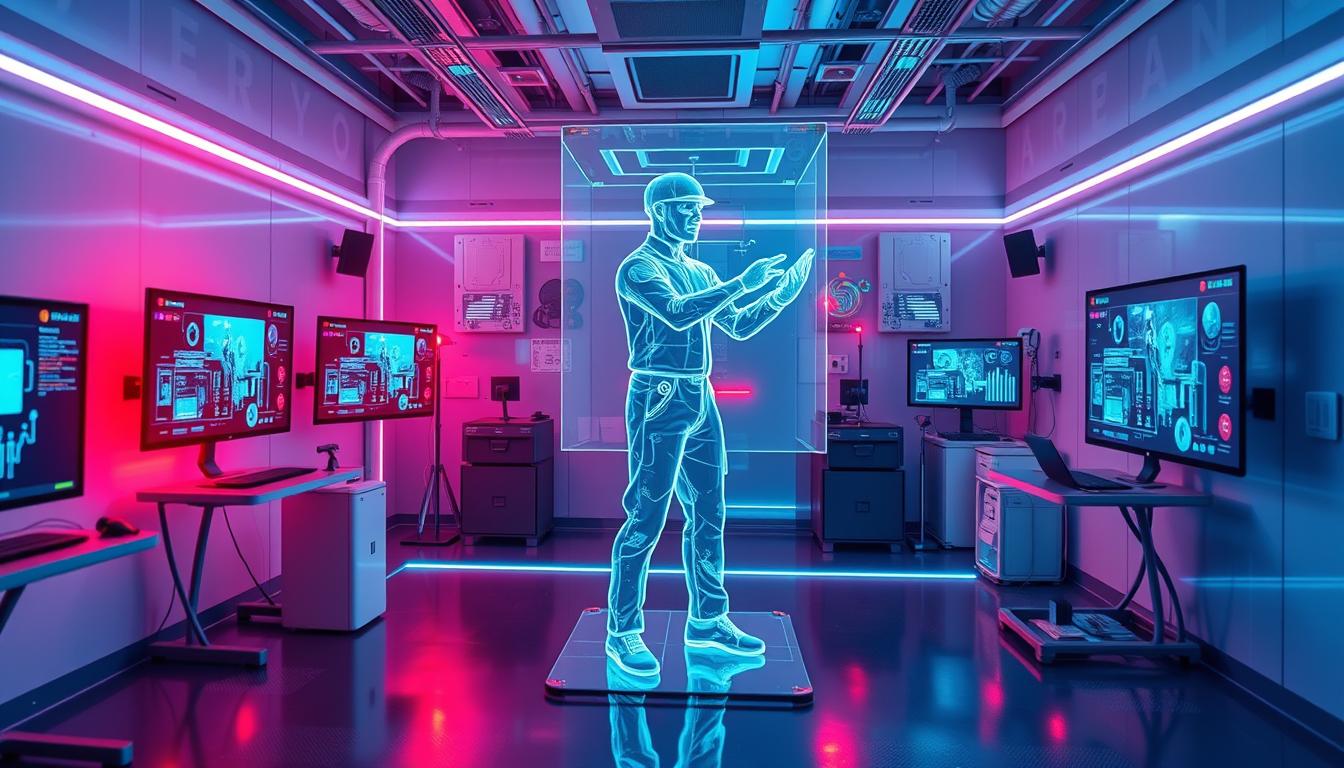
Last Updated on December 9, 2025
The advent of digitized workforce management heralds a new era, with Digital Twins at its forefront. These sophisticated tools mimic real-world workforce dynamics, offering crucial insights into productivity and efficiency. By creating virtual replicas of employees and processes, organizations gain a deeper understanding of their operations. This understanding empowers them to make more informed decisions.
In a 2024 survey, leaders from Fortune 100 companies emphasized the need for accurate occupancy data in their workspaces. This highlights the critical role of digital twins in enhancing workplace management.
Digital twins bridge the gap between theory and practice by improving employee experiences through real-time data. They enable businesses to optimize space efficiency and streamline resource allocation. This adoption of digitized workforce management strategies prepares companies for future challenges. As we explore digital twins further, we will examine their applications, benefits, and the hurdles to successful integration.
Key Takeaways
- Digital twins can significantly enhance workforce management by providing virtual representations of employees and processes.
- These tools facilitate proactive problem-solving and crisis management by enabling early issue detection.
- Data insights from digital twins empower companies to make informed decisions regarding resource allocation and training needs.
- Implementing digital twins can lead to improved employee satisfaction through tailored learning experiences and workspace adjustments.
- Companies can optimize their occupancy levels and resource management with the help of real-time analysis offered by digital twins.
- Digital twins support dynamic and agile workforce planning by enhancing skills assessments and identifying gaps effectively.
Understanding Digital Twins and Their Relevance to Workforce Management
In today’s fast-paced work environments, grasping the concept of digital twins is crucial. A digital twin is a dynamic digital model of a physical object or system. It uses real-time data to mirror its current state throughout its life cycle. This concept is foundational for various applications, especially in managing workforces.
What is a Digital Twin?
A digital twin is more than a static model; it evolves alongside its physical counterpart. It leverages real-time data and advanced algorithms to create a virtual replica. This technology simulates different scenarios, making it increasingly valuable in workforce management. It enables training that reduces risks and boosts learning outcomes.
Importance of Digital Twins in Today’s Workforce
The role of digital twins is immense. They offer a safe space for training, cutting down on accidents and errors. This is critical in high-risk fields. Digital twin simulations are immersive, speeding up the learning process. They help employees understand complex systems better.
As companies adopt smart workforce technologies, digital twins become essential. They make specialized training accessible, even for remote workers. Despite initial costs and data security issues, their impact on workforce management is undeniable. They are seen as a transformative solution.

Digital Twins Workforce: Bridging Theory and Practice
Digital twins are a powerful tool for bridging workforce training gaps. They allow employees to practice in a risk-free environment. This is made possible through virtual employee simulation, where companies can simulate real-world challenges. This method enhances understanding and boosts employee productivity enhancements by reducing the fear of making mistakes.
Bridging the Gap in Workforce Training
Digital twins in workforce training offer a new approach to prepare employees for their roles. They use realistic simulations of everyday tasks and workflows. This ensures employees are well-prepared by bridging knowledge and skill gaps. The virtual experiences mimic real operations, allowing learners to refine their skills.
This approach deepens understanding of complex processes. It results in a more competent and confident workforce.
Enhancing Employee Productivity through Simulations
Virtual employee simulations lead to significant improvements in efficiency and output. Employees practice in simulated environments, refining their skills and familiarizing themselves with job scenarios. These simulations enable teams to explore solutions, collaborate, and share insights.
This fosters a culture of innovation and creativity. It boosts employee confidence and contributes to overall organizational success.
Applications of Digital Twins in Workforce Optimization
Digital twins are revolutionizing workforce optimization. They are crucial for improving various aspects of operations, especially in training and collaboration. This technology is transforming how organizations function.
Simulation-Based Training Benefits
Simulation-based training is a game-changer in modern workforce strategies. It provides realistic, immersive learning environments. Employees can practice with complex systems safely, gaining a deeper understanding of processes and equipment.
This approach allows for the replication of diverse scenarios. It prepares employees for changing demands, making them more adaptable and ready for any situation.
Remote Learning and Collaborative Programs
Remote workforce training is now a must with more employees working from different locations. Digital twins make collaboration among team members seamless, regardless of their physical distance. They support virtual training sessions, enabling teams to learn together in real-time.
These tools also ensure teams stay aligned, share insights, and solve problems together. This fosters a cohesive and effective team environment.
Customized Learning Experiences for Employees
Customized training programs boost employee engagement by tailoring learning to individual needs. Digital twins help assess employee performance and preferences. This allows for the creation of personalized training paths.
This approach maximizes learning efficiency and aligns employee skills with organizational goals. It ensures the workforce is ready to face future challenges.
Benefits of Implementing Digital Twins in Workforce Management
Integrating digital twins into your workforce management strategy offers significant advantages. These virtual replicas enhance operations by fostering cost efficiency and executing effective risk reduction strategies. They allow organizations to streamline resources, improving workforce training and development.
Cost Efficiency and Risk Reduction
Adopting digital twins can lead to substantial operational savings. By reducing reliance on traditional training resources, you achieve impressive cost efficiency. These virtual models enable safe experimentation with new processes, supporting informed decision-making.
They allow for modeling asset behavior under various scenarios, enhancing operational reliability through robust risk reduction strategies.
Accelerated Learning and Skills Development
Digital twins facilitate rapid learning curves for employees, providing immediate feedback. They simulate real-world scenarios, allowing workers to practice skills and correct mistakes safely. This leads to accelerated learning and skills development.
Organizations using these systems enjoy a more capable workforce, ready to face future challenges.
Increased Accessibility for Remote Workers
The rise of remote work highlights the need for accessible workforce training. Digital twins provide effective training solutions to dispersed teams, overcoming traditional in-person session challenges. They empower companies to deliver tailored training programs.
Ensuring all employees, regardless of location, can develop their skills effectively.
Challenges Hindering Adoption of Digital Twins in Workforce Practices
The allure of digital twin technology is undeniable for improving workforce management. However, several hurdles remain in its adoption. Recognizing these challenges can help organizations on their path to implementation.
High Initial Investment Considerations
The high upfront costs of digital twin technology are a major obstacle. Companies must invest in sensors, data processing, and skilled staff. This financial strain can deter businesses, especially those with limited budgets.
Data Security and Privacy Concerns
Data security is a critical concern with digital twins. The large volumes of data collected pose risks of breaches and unauthorized access. Ensuring data protection through strong cybersecurity is essential but poses a significant challenge.
Need for Technical Expertise and Integration
Implementing digital twins effectively requires specialized technical knowledge. The scarcity of such professionals adds to the complexity. Moreover, the integration process is both time-consuming and costly, often discouraging full adoption.
Innovative AI-Powered Workforce Solutions Using Digital Twins
The integration of digital twin technology with artificial intelligence marks a significant leap in workforce management. It enables organizations to track employee performance continuously using AI. This leads to better decision-making, enhancing productivity and efficiency.
Automatic Performance Tracking and Analytics
AI-driven performance tracking allows businesses to collect data effortlessly. This real-time analytics provides a detailed view of employee performance. It helps identify areas for improvement, thanks to AI’s ability to recognize patterns. This aids in creating workforce forecasting solutions that fit your business needs.
Forecasting Workforce Needs and Performance Optimization
Combining digital twins with AI offers insights into predicting workforce needs. Companies can analyze past data, current trends, and future scenarios. This predictive analytics approach improves operational competence, leading to better workforce performance. Adopting this technology can significantly enhance efficiency and operational resilience.

The Future of Digital Workforce Transformation
The landscape of workforce management is rapidly evolving, driven by the integration of advanced technologies. Digital twins are becoming essential, offering insights and tools for adapting training and workforce strategies. This shift is crucial for organizations aiming to stay competitive.
Evolving Technologies and Their Impact on Workforce Management
The Internet of Things (IoT) is growing exponentially, from 15.1 billion devices in 2020 to over 29 billion by 2030. This growth underscores the significant impact of evolving technology. Companies must embrace these advancements to boost operational efficiency. Digital twin technology, introduced in 2002, has been transformative in sectors like aerospace and manufacturing.
This technology enables *immersive training experiences*, deepens understanding of complex systems, and boosts efficiency. It plays a vital role in the future of workforce transformation.
Predictive Capabilities Shaping Employee Training
Predictive employee training is becoming essential for maintaining a competitive edge. By leveraging data and analytics, businesses can craft training programs that align with their workforce’s specific needs. Companies like Hymer are already leveraging digital twins to standardize workflows and visualize production processes.
This approach streamlines processes and prepares employees for the rapidly changing market landscape. It’s a forward-thinking strategy that enhances employee training and readiness.
Case Studies of Successful Digital Twins Implementations
Exploring successful digital twins case studies reveals the diverse applications across various sectors. It shows how these technologies can lead to remarkable improvements in operations. Industries using digital twins have adopted innovative solutions, leading to significant enhancements in their operations.
Industries Leading the Charge
Numerous sectors have adopted digital twin technologies to enhance productivity and efficiency. The manufacturing industry holds the largest share of the global digital twin market. It is expected to grow from $6.9 billion in 2022 to $73.5 billion by 2027. Companies like Rolls-Royce have used digital twins to extend maintenance intervals for engines by up to 50%. This has led to significant cost savings and operational benefits.
- NTT Indycar has seen doubled engagement in its app during race weekends over the past three years. This shows how digital twins can significantly engage users.
- Mars leverages Microsoft Azure and AI to enhance operations in its 160 manufacturing facilities. It focuses on predictive maintenance to reduce downtime.
- Bayer Crop Science has utilized digital twins to create virtual factories. This enables dynamic decision-making and improves manufacturing processes.
Transformative Outcomes from Early Implementers
Organizations implementing digital twins have achieved transformative outcomes in workforce management. These technologies streamline operations, enhance product development, and improve safety. For instance, predictive maintenance frameworks built on digital twins can foresee equipment failures. This minimizes downtime and prolongs the lifespan of machinery.
“Digital twins not only improve operational efficiencies but also encourage innovation by allowing organizations to experiment rapidly with new ideas.”
This innovative approach has proven to significantly cut manufacturing costs. It identifies inefficiencies and resource waste before they escalate. As more industries adopt these technologies, the documented successes underscore the pivotal role digital twins play in reshaping workforce management practices.
Conclusion
Digital twins are changing the game in workforce management. They use modeling, simulation, and interaction between virtual and physical systems. This approach boosts training, productivity, and efficiency. As more organizations adopt these technologies, we see major changes across sectors.
Real-time data on employee performance and collaboration patterns is key. It helps design better workplaces and allocate resources based on behavior and preferences. This integration is crucial for optimizing work environments.
Yet, the path to fully realizing digital twins’ potential is fraught with challenges. Concerns about data privacy, ownership, and the need for standardized verification processes are significant hurdles. Addressing these issues is vital to unlock the full benefits of digital twins in workforce management.
Creating effective standards through research agendas is essential. It will build credibility and encourage collaboration across sectors. This is the first step toward responsible development and widespread adoption.
Looking ahead, investing in digital twins is crucial for a skilled, efficient, and adaptable workforce. It will help navigate the complexities of modern business environments. To learn more about enhancing employee engagement through innovative solutions, explore how AlignMark can assist. They offer ways to improve workplace performance and culture via future employee benefits.