Tools
Tools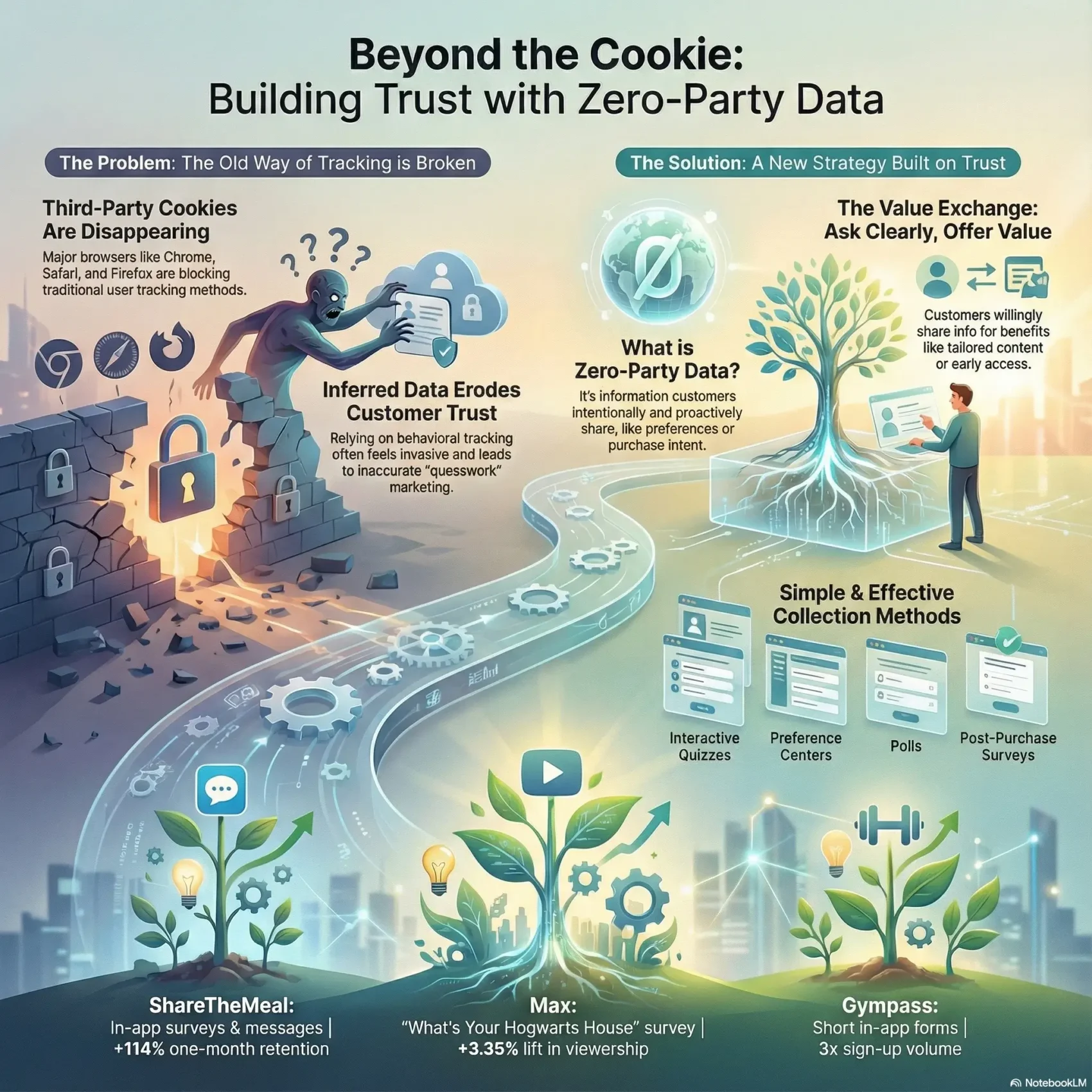
Last Updated on January 24, 2026
Your customers want clear choices. When people voluntarily share preferences and intentions, you gain honest information that fuels better personalization without guessing. This guide shows how to collect and use those inputs so your brand earns permission and keeps customer needs front and center.
As third-party tracking fell out of favor, marketers moved toward transparent, consented approaches. You’ll learn why intentional inputs beat inferred signals for accuracy and trust. Practical steps walk you from simple polls and quizzes to integrated systems that power timely, relevant experiences.
Expect a clear roadmap: what this information is, how it complements other sources, and the business case for better personalization, improved accuracy, and compliance. You’ll also get hands-on tactics to set objectives, map journeys, and choose the right tech so your team spends more time creating value and less time fixing systems.
Key Takeaways
- People willingly share preferences when you ask clearly and respectfully.
- Intentional inputs create more accurate personalization than inferred signals.
- Build trust by explaining how you’ll use information and protecting it.
- Start with simple collection methods like surveys and preference centers.
- Map collection to activation so insights power real-time experiences.
Why zero-party data matters now in a privacy-first world
With tracking limits tightening, you need a consent-first strategy to keep personalization working.
Browsers have made the shift: Safari blocks third-party cookies via Intelligent Tracking Prevention, Firefox blocks known trackers by default, and Chrome gives users more control over cookie priorities. Those moves reduced many traditional signals you used for audience targeting and measurement.
That’s where voluntary inputs win. When customers answer polls, quizzes, or preference forms, you get clear permission and accurate information. This lowers the “creepy factor” because people know what you’ll use and what they’ll receive in return.
- You’ll learn why browser rules make direct collection the sustainable path in the U.S. market.
- We’ll show how a transparent value exchange—early access, tailored content, or useful offers—encourages customers to share personal information.
- Expect guidance on what to say at collection so people know how often you’ll reach them and how you’ll protect their privacy.
Bottom line: Asking clearly, offering clear value, and protecting preferences rebuilds trust. That trust keeps your marketing effective while honoring consumer expectations and evolving privacy rules.
Zero-Party Data
When people tell you what they prefer, your personalization starts from intention rather than guesswork.
Forrester coined the term “zero-party data” to describe information people intentionally share — think preference center choices, purchase intentions, and personal context about how they want to be recognized.
Tactics are simple and respectful: polls, short quizzes, and questionnaires capture explicit inputs instead of inferred behavior. Those inputs give you accurate insights that improve product recommendations and tailor experiences.
- Clear examples: preference center selections, shopping intentions, and personal context.
- Why it matters: explicit answers reduce guesswork and raise confidence in your campaigns.
- Where it fits: use quick surveys or a one-question quiz in onboarding or email to boost completion.
- Action tip: map each response to a downstream activation so every answer shapes the next experience.
Keep it low-friction and value-driven — explain what you’ll use, offer something useful, and respect customers’ time. That builds trust and makes your collection work for both your brand and the people you serve.
How zero-, first-, second-, and third-party data compare
Not all audience signals are equal: some are volunteered, some observed, and each has trade-offs. Understanding the strengths and limits helps you pick the right mix for personalization and trust.
Strengths, limitations, and trust implications
Volunteered inputs offer high accuracy and clear consent because customers tell you preferences directly. They do require a value exchange and can sometimes differ from what people actually do.
First-party behavioral signals — like visits, purchases, and time on page — give recency and scale but take time to build. They deepen profiles and improve timing for offers.
Second-party partnerships provide access to another brand’s owned information. Use them when provenance is verified and recipient expectations match the agreement.
Third-party sets deliver reach and breadth but often lack exclusivity and can raise questions about accuracy and consent.
When to combine volunteered inputs with behavioral signals
- Use explicit preferences to label segments and personalize core offers.
- Layer first-party behaviors to refine timing, channel choice, and sequencing.
- Reserve second-party purchases for niche targeting with clear provenance checks.
- Avoid heavy reliance on third-party lists for core personalization today.
Practical rule: let customer-provided answers set intent, then use observed signals to act at the right moment. This blend improves recommendations, reduces guesswork, and keeps your brand trustworthy.
The business benefits: personalization, trust, and compliance
Clear customer choices let you craft offers that feel personal and useful. When people share what matters, you can match products and messages to real intent instead of guessing.
Improved product recommendations and tailored content
Explicit inputs power better recommendations. Use short surveys and preference prompts so your product suggestions land with context and timing.
That targeted approach raises click rates and reduces returns, because customers see items that fit their level of interest.
Higher accuracy, transparency, and competitive advantage
Accurate information lowers waste. Cleaner profiles cut wasted spend and lift campaign performance across channels.
- You’ll see how explicit inputs fuel relevant product recommendations, not random picks.
- Tailored journeys improve engagement by meeting customers where they are.
- Transparent requests for information strengthen trust, opt-ins, and conversions.
- Collecting with consent supports privacy and helps your brand stand out.
Designing your zero-party data strategy
Begin with clear goals so each preference you ask for maps to a measurable business outcome.
Define objectives: list what you want to achieve — personalization, product feedback, or higher repeat purchases. Tie every question you ask to a downstream action in the customer journey so responses trigger real experiences.
Know your audience: segment customers by need and moment. Map where people are most likely to share information with minimal friction — onboarding, checkout, or loyalty touchpoints.
Communicate value: explain what contributors get in return. Offer meaningful incentives like early access, tailored offers, or simpler experiences so customers see immediate benefit.
“Respectful pacing and clear controls keep customers willing to share over time.”
Integrate and protect: audit current collection methods, align inputs with your marketing channels, and report from day one. Prioritize protection and easy opt-outs so your brand maintains trust.
- You’ll set goals and link questions to actions.
- You’ll map moments where customers will share preferences.
- You’ll craft a clear value exchange and incentives.
- You’ll integrate collection into analytics and core systems.
- You’ll keep pacing respectful and provide obvious controls.
Zero-party data collection methods that customers love
Easy, helpful interactions are the best way to gather honest customer preferences. Keep prompts short and clear so people understand the value they’ll get in return.
Interactive quizzes, polls, and surveys across web and email
Quick quizzes and one-question surveys work well in onboarding and email. They offer instant personalization and better recommendations.
Use adaptive questions so answers shape the next prompt and keep completion rates high.
Preference centers, onboarding questionnaires, and registration forms
A simple preference center lets customers set frequency, channels, and topics. That control boosts engagement and long-term satisfaction.
Onboarding forms should ask only what you will use immediately to improve the first experience.
Post-purchase feedback, reviews, and loyalty programs
Collect sentiment after purchase to refine offers and service. Loyalty programs are ideal for richer profiles because members expect rewards for sharing.
Contests, social Q&As, and product finder tools
Contests and social polls spark interactions and grow reach without heavy lift. Product finder tools like Kopari’s quiz guide customers to the right item while you capture preferences.
- Playbook: low-friction methods that feel helpful, not intrusive.
- Design tip: short surveys and quizzes that power immediate recommendations.
- Control: preference centers that let customers set what they share.
- Follow-up: use post-purchase reviews and loyalty prompts to enrich profiles.
“Respectful, useful prompts keep customers willing to share over time.”
Turning insights into action across channels
Turn what customers tell you into moments that feel personal and timely across every channel. Use explicit inputs to trigger emails, in-app messages, and push notifications that match stated interests and intent.
Personalized content, journeys, and triggered messages
When a customer chooses a preference, your platform should fire a tailored journey immediately. For example, Max used a “What’s Your Hogwarts House” survey to personalize outreach and saw higher viewership and click rates from the in-app message.
Small, relevant nudges — like a product recommendation or an education sequence — keep customers engaged without overwhelming them.
Segmentation for lifecycle marketing and engagement
Segment by stated goals, interest level, or needs to power lifecycle campaigns. That lets you match message depth and channel mix to the audience and reduce fatigue.
Feeding product development with customer-provided insights
Use those insights to guide roadmap decisions. Customer-provided information reveals gaps in your product and helps brands prioritize features that improve the overall experience.
- Translate inputs into triggers across email, app, and web.
- Segment by intent for lifecycle and loyalty growth.
- Feed product teams with insights that shape better recommendations and experiences.
Building your tech stack to collect and use zero-party data
A practical tech stack makes every customer input useful, fast, and secure. Start with modular tools that capture preferences and push them into one unified profile you can act on.
Preference center, survey tools, CDP/CEP, and integrations
Choose a configurable preference center so customers control frequency, channels, and topics. Pair it with lightweight survey and quiz tools that feed recorded answers directly to your platform.
A CDP or CEP is the glue. It resolves identity, builds audiences, and orchestrates journeys so inputs trigger timely experiences across web, app, and social.
- Map tools: preference center, forms, surveys, quizzes that populate a unified profile.
- Build integrations so collection points stream to the right platform without lag or loss.
- Enforce governance and access controls to keep information clean and secure.
Pick platforms that fit your stack and scale with your roadmap. Trust in sources and strong privacy controls keeps customers confident and your brand compliant.
Privacy, consent, and trust: doing zero-party data right
Transparent consent and clear choices make customers more likely to share preferences and stay engaged.
Start with plain language. Tell people what you collect, why it helps them, and the benefit your brand will deliver in return.
Transparent consent, frequency controls, and security basics
Design consent flows that plainly state what you collect and how you’ll use information. Show the benefit so customers see value immediately.
Give control over contact frequency. A visible preference page and simple toggles let people tune their experience without friction.
Secure storage and strict access controls protect personal information. Use minimization and encryption to lower risk and keep trust intact.
Aligning with GDPR and evolving browser policies while enhancing experience
With stronger enforcement and tighter browser rules, consented collection is essential. Map legal requirements to UX so compliance supports, not blocks, the experience.
- Write clear consent copy that links to a preference center.
- Offer obvious opt-outs and easy updates to preferences.
- Limit retention and audit access to reduce exposure.
“Respectful controls and visible benefits invite people to share data on their terms.”
Result: You reduce legal risk, strengthen customer trust, and keep your marketing useful and respectful.
Real-world inspiration: brands activating zero-party data
Real brands have turned short surveys into predictable lifts in engagement and revenue. These cases show how honest customer inputs powered clearer personalization and better experiences across channels.
Engagement and retention lifts from mission-driven updates
ShareTheMeal used in-app surveys and tailored messages to deliver personalized updates. That campaign produced a 114% increase in one-month retention and a 53% rise in session frequency.
Personalized entertainment recommendations from simple surveys
Max ran a “What’s Your Hogwarts House” survey that matched content to preferences. The test saw a 3.36% lift in viewership, 3.12% more session starts, and a 6x higher in-app message click rate.
Wellness journeys tailored with in-app surveys and messaging
Gympass combined short forms with journey orchestration. They achieved 3x sign-up volume, up to 70% click rates, and contributed 25% of net-new revenue in a new subscriber stream.
Retail examples: preference centers, loyalty data, and post-purchase emails
Retail brands used multiple touchpoints to enrich profiles. Sephora’s Beauty Insider and MeUndies’ preference settings fed loyalty and email programs. Kopari’s quiz, Sundays’ review emails, Drunk Elephant’s account info, and Letterfolk’s social polls all helped refine recommendations and product suggestions.
- What you’ll take away: mission-driven updates boost retention and trust.
- Survey power: simple quizzes and polls lift viewership and clicks.
- Orchestration: in-app surveys can drive sign-ups and new revenue streams.
- Retail playbook: preference centers, loyalty enrichment, and follow-up email loops are repeatable.
“Small, well-timed asks let customers steer their experience and reward your marketing with higher engagement.”
Use these examples to shape your own activations and refine your omnichannel approach with clear, customer-first inputs. Learn practical execution tips in our omnichannel strategies guide.
Measuring impact and optimizing your zero-party data program
Start by tracking a few simple metrics so you can prove impact fast. Focus on measures that tie what customers tell you to real outcomes. Keep reports short and aligned to business goals.
Core KPIs to watch
Consent rate shows how well your ask converts. Track completion rate for each survey or form so you know which questions hurt participation.
Profile enrichment measures how many meaningful attributes you add per customer and how those attributes map to higher-value segments.
Engagement and revenue tie collection to action: open and click rates, loyalty lift, and direct revenue from personalized journeys.
Test-and-learn to grow performance
Iterate on incentives, question order, and phrasing to improve completion without lowering quality. Run A/B tests on small samples before scaling.
Experiment across channels—email, in-app, and on-site—to meet customers where they respond best. Track timing and follow-up cadence to reduce fatigue.
“Define baseline KPIs, measure enrichment by downstream behavior, and align reporting so wins are clear to the business.”
- Set targets for consent and completion.
- Measure enrichment by segment value.
- Test incentives and channel mix to lift conversion.
Conclusion
, Consent and clear value exchanges are now the core drivers of lasting customer relationships.
Zero-party data rose because privacy-first shifts made consumers want control. When you ask plainly and deliver useful returns, customers share preferences that let you craft better experiences.
Use those explicit inputs alongside first-party signals to sharpen timing, offers, and content. Prioritize the most valuable questions, map answers to journeys, and activate quickly so information becomes impact.
Measure consent, completion, enrichment, engagement, and revenue. Keep transparency front and center and give people control—you’ll earn trust and build experiences that keep customers coming back.