Tools
Tools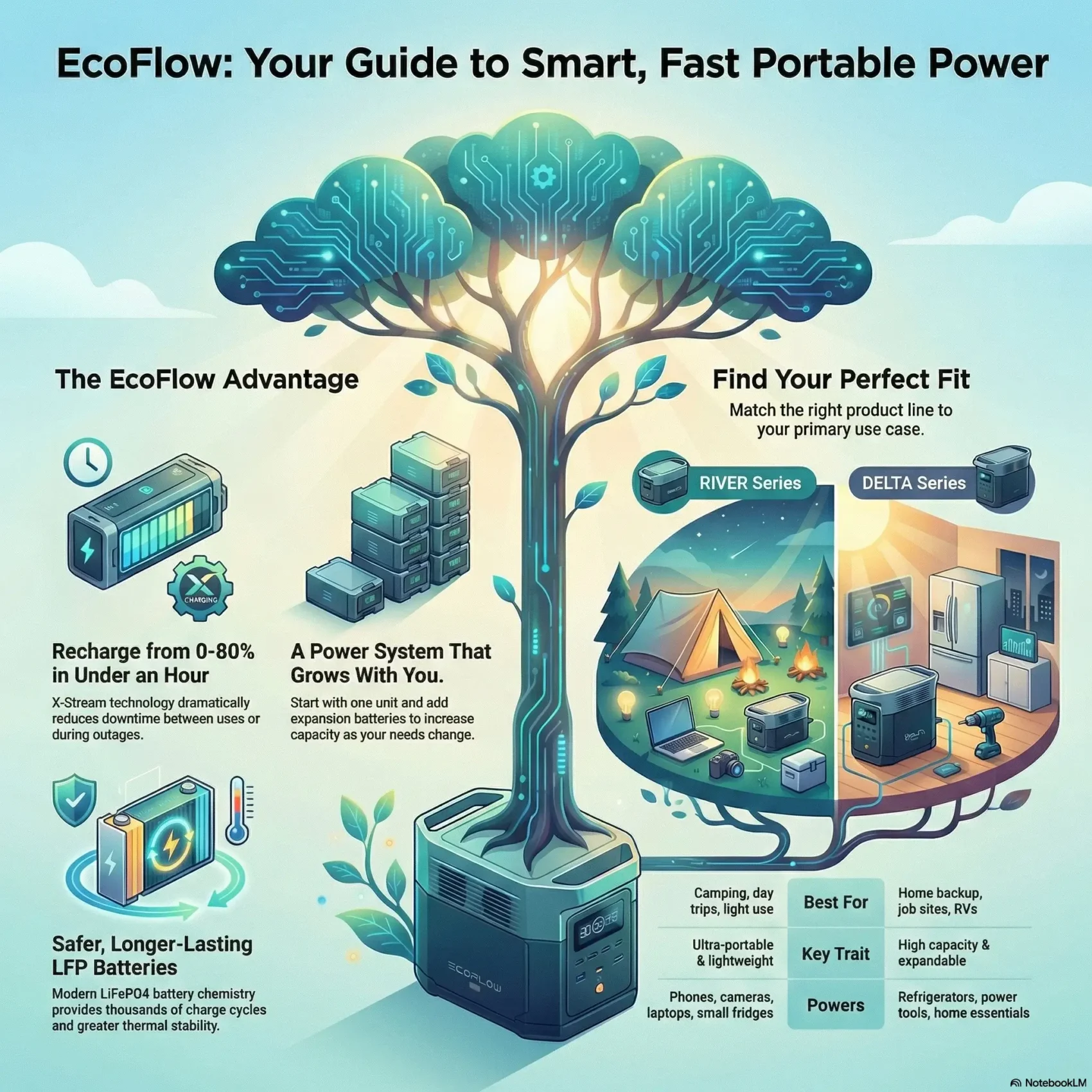
Last Updated on January 28, 2026
You came here for a clear, friendly take on portable power that cuts through the hype. This intro gives you the point of view you need to match a power station to your life — from campsite charging to home backup.
We’ll walk you through the lineup and show what kind of power and battery life you can expect in real use. You’ll learn where these products shine on fast AC charging, app control, and modular growth — and when to pause if quiet operation matters most.
The goal is simple: help you avoid overbuying while leaving headroom for emergencies or weekend projects. We explain display clarity, outlet mix, portability, and the design tradeoffs that shape daily use. By the end, you’ll know which station is worth it for your budget and which is smarter to skip for now.
Key Takeaways
- Get realistic expectations for continuous power and surge power.
- Match capacity to essential devices to avoid overspending.
- Fast recharge time matters when storms or short prep time hit.
- Look for clear display, outlet mix, and easy portability.
- Consider modular options so your first buy can grow later.
Ecoflow Review at a Glance: Should You Trust These Portable Power Stations?
Want a quick verdict on these portable power units before you commit? In short, many Americans trust them for fast charging, solid build quality, and a flexible ecosystem that handles daily use and emergency needs.
Quick benefits: these stations recharge rapidly — often 0–80% in under an hour — so you can be ready again in little time when a power outage or rolling blackout hits.
- Fast top-ups: great when you need quick recovery between outages.
- Everyday use: runs laptops, tools, and small appliances without a loud generator.
- Scaleable: options let you grow from camping power to whole-home backup.
- Know the limits: older models can have noisy fans and solar charging may be slower.
At a glance, weigh the price against charging speed and longevity. If fast recharge and easy control matter most, these power stations are worth considering. If quiet operation or low-cost solar is your top priority, compare models before you buy.
Check Current Prices & DealsWho EcoFlow Is and Why Americans Trust the Brand Today
Engineers from drone design reimagined portable power so you get faster charging and cleaner backup when it matters most.
From DJI engineers to clean backup power
The origin is simple: a small team aimed to make quieter, faster stations for real-world use. That engineering DNA shows up in handles, clear displays, and practical outlets you actually need.
LFP vs older lithium-ion
Safety and lifespan matter. Newer LFP batteries give you far more cycles and steadier capacity over years. Older lithium-ion units, like early delta 1300 models, often dropped capacity sooner and ran fans louder.
Solar-first, modular ecosystem
The company built a modular system that links panels, generators, and expansion batteries so you can grow from a compact ecoflow delta to a whole-home delta pro setup.
- Fast top-ups: X-Stream charging reduces downtime.
- Smart control: app tools let you tweak output and charging in real time.
- Practical design: balances capacity, portability, and manageable noise for daily use.
Product Lineup Snapshot: River, Delta, and Whole-Home Options
Match your expected use — day trips, jobsite tools, or whole-home backup — to the right lineup. This section helps you pick between compact convenience and expandable capacity without overbuying.
River series: ultra-portable power for day trips and light use
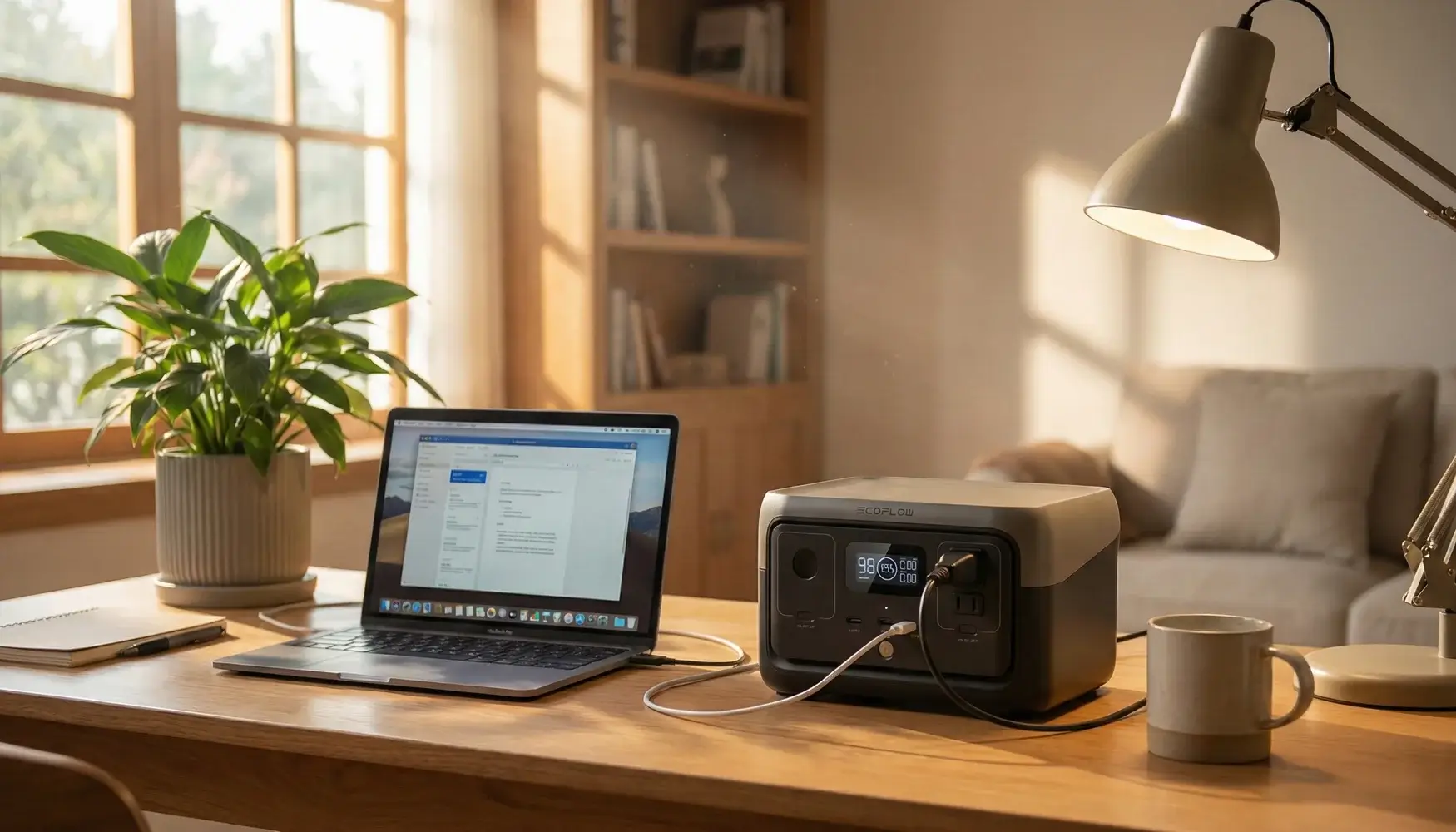
The River family focuses on light, grab-and-go performance. It keeps essentials charged — phones, cameras, small fridges — without a lot of weight.
Ideal when you need simple power on the move: quick charging, a few AC outlets, and enough ports for everyday devices.
Delta to Delta Pro: expandable capacity, higher output, and home backup potential
The Delta lineup scales from compact models to the ecoflow delta Pro. You get higher output, bigger capacity, and newer LFP batteries in many models.
Delta Pro starts around 3.6kWh and can expand toward 25kWh for serious backup. The ecosystem also includes panels, smart batteries, transfer switches, and Power Kits, all manageable via the app.
- Choose River for mobile convenience; pick Delta for longer runtimes and stronger output.
- Ports and capacity scale so you match outlets and fast charging to your gear.
- Modular batteries and panel compatibility add flexibility as needs grow.
Performance and Features That Matter in Real Life
Performance isn’t just specs on a page; it’s how quickly you can recharge and how easily you manage power on the go.
X-Stream fast charging shrinks downtime — some models reach 0–80% in under an hour. Dual solar input options (many units support two 500W inputs and some models accept up to 1,000W combined) let you plan recharge windows in clear hours of sun.
X-Stream, solar input, and alternator options
You can combine AC, panel, and alternator input to keep power flowing. Optional 800W alternator charging is handy on long drives or overlanding.
Ports and outlets that matter
Plenty of ports mean you can run appliances and charge laptops via high-wattage USB-C. A DC car socket and pass-through power make continuous use simple while charging.
App control and smart features
The app gives realtime energy readouts and alerts. Storm Guard warns you before bad weather and Smart Stop automates generator control so you use fuel only when needed. For more on ecosystems and control, see this comparison: panel and app integrations.
Design, display, weight, and noise
Clear LED displays show battery percentage, remaining hours, and load so you avoid surprises. Dual handles and compact design help carry and placement.
Expect fans to run under heavy load or fast charge — normal behavior to protect the unit and maintain output.
- Feature checklist: fast charge, varied input, useful ports, smart app, clear display.
- Plan: match the panel size and hours of sun to your recharge needs.
EcoFlow DELTA 2 in Use: Power, Capacity, and Value
When you put the DELTA 2 into real chores, it shows where mid-size portable power truly earns its keep.
Key specs: the unit delivers 1800W continuous output with a 2700W surge and uses a LiFePO4 battery rated for roughly 3,000 cycles to 80%+ capacity. It weighs about 27 lbs and recharges from a wall outlet, car input, or solar panels.
Practical examples and runtime
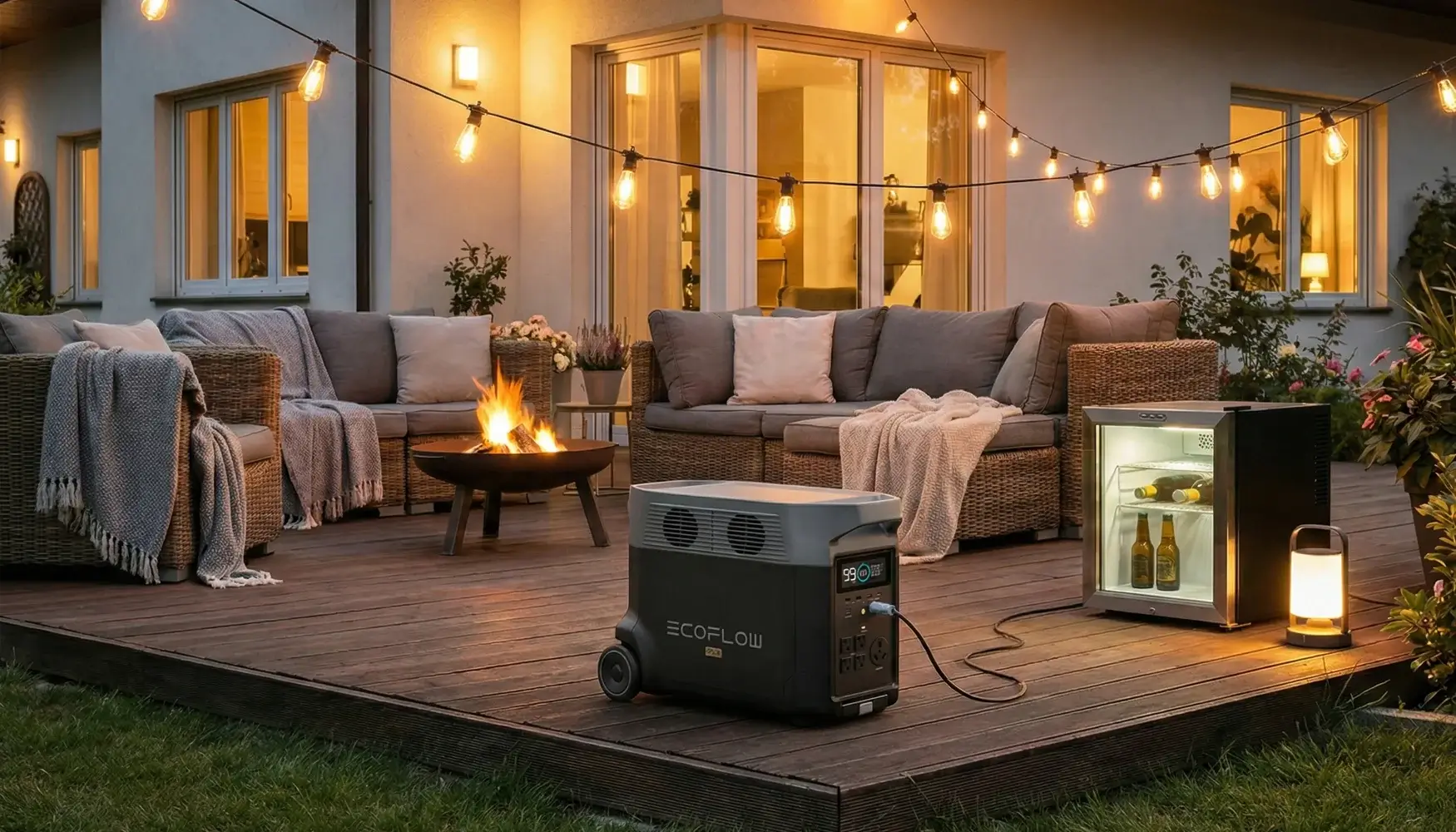
In real use you can run tool battery chargers and a box fan all day and still have plenty left. On a five-day camping trip this station can leave you with around 25% reserve.
It handled yard work and battery charging with ~90% remaining at day’s end in one test. That shows how its capacity and output match everyday needs rather than oversized jobs.
Where it excels — and where it stops
Value: MSRP near $999 at launch positions this as a solid mid-range buy if you plan frequent use. LiFePO4 chemistry gives you long life and steady capacity over years.
It can start miter saws and electric chainsaws, but heavy-duty jobsite table saws at full tilt may trip safety cutoffs. The outlet mix is generous, so you rarely need extra strips for typical setups.
Charging and planning
AC, car, and solar input options keep you flexible. Plan charging windows in hours around your tasks so you’re not racing to top up at inconvenient times.
Delta 1300 vs. DELTA 3 Plus: Speed, Solar, and Tradeoffs
When speed, solar performance, and thermal behavior all compete, your use case will decide the winner.
Delta 1300 strengths
Big reserve: the Delta 1300 offers roughly 1,260Wh battery capacity and six AC outlets for broad device coverage.
It packs 13 total ports and X‑Stream fast charge to 80% in under an hour, but it’s heavier at just over 30 lbs. Real-world solar with small panels can take many hours to top up.
DELTA 3 Plus in brief
The DELTA 3 Plus has a 1,024Wh base, an 1,800W inverter, and high AC input (1,500W). Testing showed ~0–100% in ~55 minutes and support for up to 1,000W solar input via dual 500W inputs.
It’s lighter (~27 lbs), adds high‑wattage USB‑C ports, a car socket, and pass‑through charging. Price often lands near $649, making it a strong value if quick turnarounds matter.
Fan behavior and noise
Expect fans on both stations under load. The DELTA 3 Plus has shown inconsistent fan control under heavy output, letting temps climb higher than ideal until firmware fixes arrive.
Which is right for you?
- Choose Delta 1300 for larger capacity and predictable behavior during long outages.
- Pick DELTA 3 Plus if you want faster full charge, lighter carry, better solar panel input, and lower price per usable cycle.
- Match outlets, ports, and app features to your routine so runtime and charge time fit your hours of use.
Use Cases You Care About: Backup Power, Camping, and Off-Grid Flexibility
A practical setup gives you hours of usable power for home essentials and outdoor gear without guesswork. Start by listing what matters most to your house during an outage: a fridge, a few lights, and critical outlets for communication and medical devices.
Power outage readiness: Size a station so your fridge and lights run overnight. As an example, estimate fridge draw and divide the battery capacity by that load to see expected hours.
Camping and overlanding
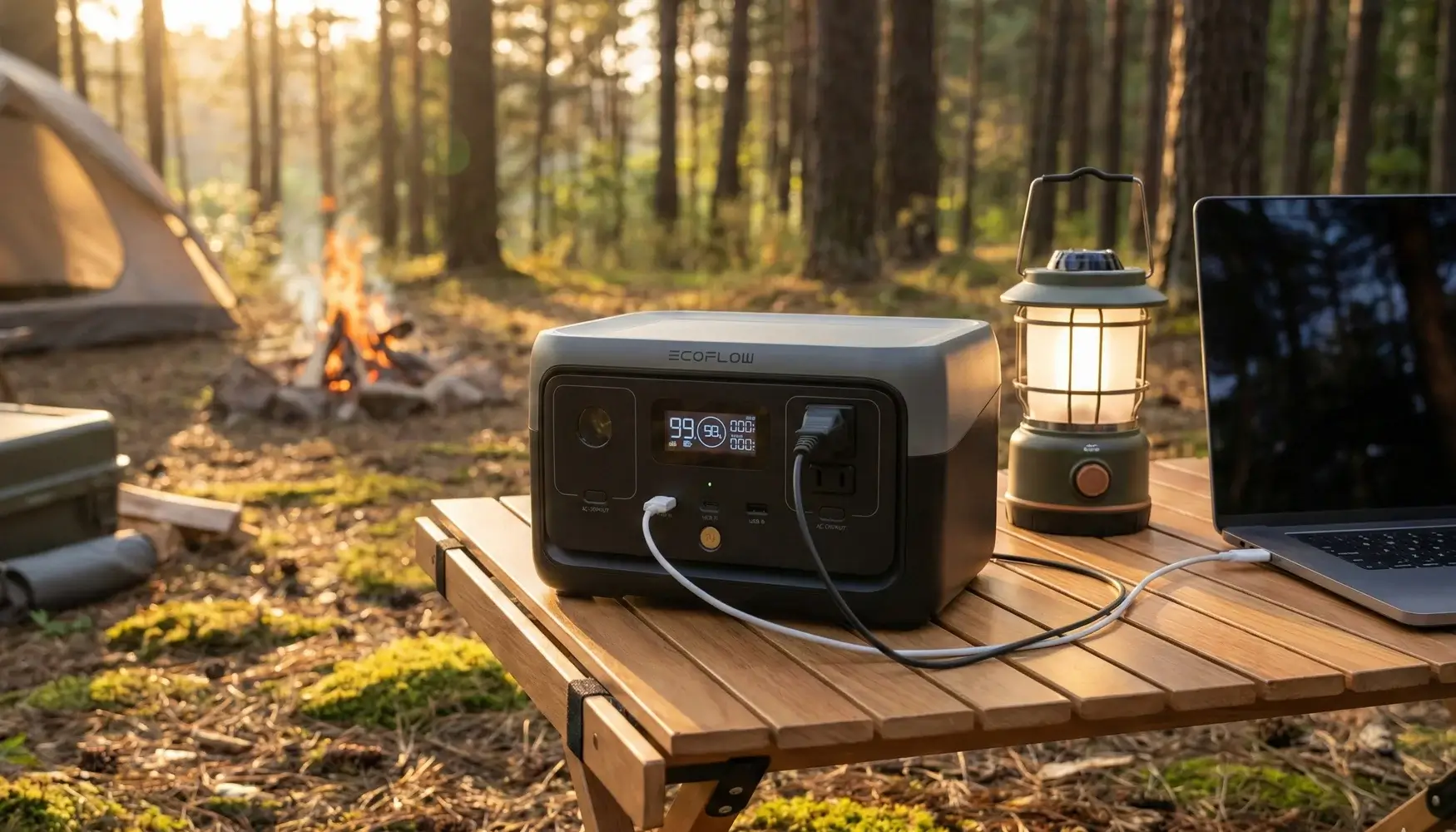
For camping, choose portable power that supports fans, cameras, and USB-C charging. The DELTA 3 Plus style features pass-through charging so you can use devices while topping the station up.
RV and tiny homes
Map out input and output planning: pair modular batteries with a panel array on your roof or a portable panel. Solar input and an app with Storm Guard give you flexibility to top up before bad weather.
- You’ll plan for an outage by sizing for a fridge, lights, and key outlets.
- You’ll make sure your camping kit has the right ports and pass-through power.
- You’ll map RV system inputs and choose panels that fit roof space or portability needs.
Price and Value Compared: EcoFlow vs. Bluetti, Jackery, and Goal Zero
When you compare brands, the dollar per watt-hour is only one of several things to check.
Paying for speed and ecosystem: where EcoFlow wins
You often pay more per watt-hour for fast recharge tech, strong build, and integrated app control.
EcoFlow trades higher price for X-Stream charging, modular batteries, and broad accessory support. That matters if you value quick turnarounds and an ecosystem that grows with you.
Solar panel pricing realities and third‑party panel ideas
Branded 400W panels can cost around $700, while similar third-party 415W panels may run near $187.
That gap changes total system cost fast. You should make sure any panel matches voltage and current input and uses compatible connectors.
- Quick checklist: weigh price against charging speed and long-term battery life.
- Consider ports, accessories, and input flexibility (AC, solar, alternator) when comparing stations.
- Remember: battery capacity and cycle life affect value more than day-one price for frequent use.
Conclusion
What matters most is steady power, quick top-ups, and a system that grows with you.
If you want a portable power station that recharges fast and is simple to manage, this lineup delivers. The app, clear display, and practical design make daily use easy and reduce guesswork during an outage.
Pick for the feature you need most: rapid AC charging, broad output and ports, or long battery life. The DELTA 2 shows durable LFP chemistry and solid output, while the DELTA 3 Plus shines for speed and I/O — and the delta pro path scales to whole-house capacity when you need it.
Plan charge windows before storms, keep a fridge and lights running, and rely on pass-through power for continuous use. In short, choose the station that fits your day-to-day and your emergency plan.
Secure Your Backup Power Now