Tools
Tools
Last Updated on December 9, 2025
In today’s interconnected world, managing global teams efficiently is crucial for business growth and innovation. AI Collaboration Tools make it possible for teams to work together effectively, no matter where they are. These tools simplify the mundane tasks of management, creating a more productive environment. By automating routine tasks, you can concentrate on strategic initiatives while keeping projects on track across different time zones.
Statistics show that teams spend over 85% of their time each week collaborating. This highlights the need for robust smart collaboration tools that streamline communication and enhance workflows. Tools like ClickUp Brain and Trello come equipped with advanced AI features. These features help generate meeting transcripts, assignments, and track project progress in real-time. With these tools, your global teams will stay in sync, ensuring operational efficiency.
Key Takeaways
- AI Collaboration Tools enhance communication in global teams.
- Teams spend over 85% of their time collaborating, emphasizing the need for efficiency.
- ClickUp Brain automates meeting summaries and task assignments.
- Trello and Asana offer AI features to optimize project management.
- Automating routine tasks allows teams to focus on strategic initiatives.
The Need for Effective Collaboration in Global Teams
Effective collaboration in global teams is crucial for driving innovation and achieving business goals. As companies expand globally, the importance of using teamwork technologies that enhance global team productivity cannot be overstated. A significant challenge for distributed teams lies in coordinating efforts across various time zones and cultures. Research conducted during a 2018 cruise around Hawaii underscored the stress that poor team coordination can create among members. A dedicated team coordinator AI model was developed by researchers at the MIT Computer Science and Artificial Intelligence Laboratory to address these challenges.
The need for clear communication becomes even more pronounced as teams utilize diverse tools like Microsoft Teams and Slack. These tools combine messaging, video calls, and project management functionalities. Such teamwork technologies facilitate seamless interaction, enabling teams to work more efficiently and stay connected despite geographical barriers.
Statistics indicate that approximately 59% of IT projects now rely on distributed teams. By 2028, this number is projected to increase as more companies embrace remote work. As a response to the pandemic, organizations have rapidly adopted project management software to ensure alignment across time zones. Tools such as Asana and Trello provide visibility into project timelines and task assignments, which are crucial for supporting effective collaboration among global teams.
The integration of AI in these workflows enhances the effectiveness of teamwork. AI systems can help minimize redundant efforts and clarify roles within a team. In high-stakes situations like medical procedures and search-and-rescue missions, the ability to maintain clear communication and collaboration stands out as vital and invaluable. Recognizing how these elements intertwine fosters a productive team environment, paving the way for achieving collective goals.
Challenges Faced by Global Teams
Global teams face numerous hurdles that can affect their productivity and morale. The physical distance and cultural differences often lead to a sense of isolation. This isolation can cause misunderstandings and mistrust, making effective communication key to success.
Managing these challenges involves time zone management. Coordinating meetings across different time zones is challenging, especially when trying to find a time that works for everyone. Asynchronous communication methods are crucial, allowing teams to work together effectively despite their schedules.
The complexity of cross-regional collaboration is also significant. Different cultural backgrounds bring diverse ideas and perspectives, which are beneficial. Yet, they can also lead to conflicts and confusion if not managed properly. A comprehensive framework, like SPLIT—structure, process, language, identity, and technology—can help overcome these issues and improve collaboration.
As organizations rely more on teams spread across the globe, leaders must focus on strategies to address these challenges. Adopting AI technology can provide solutions, such as tools that simplify scheduling and enhance communication. This allows teams to concentrate on their objectives and create a more unified work environment.
AI Collaboration Tools
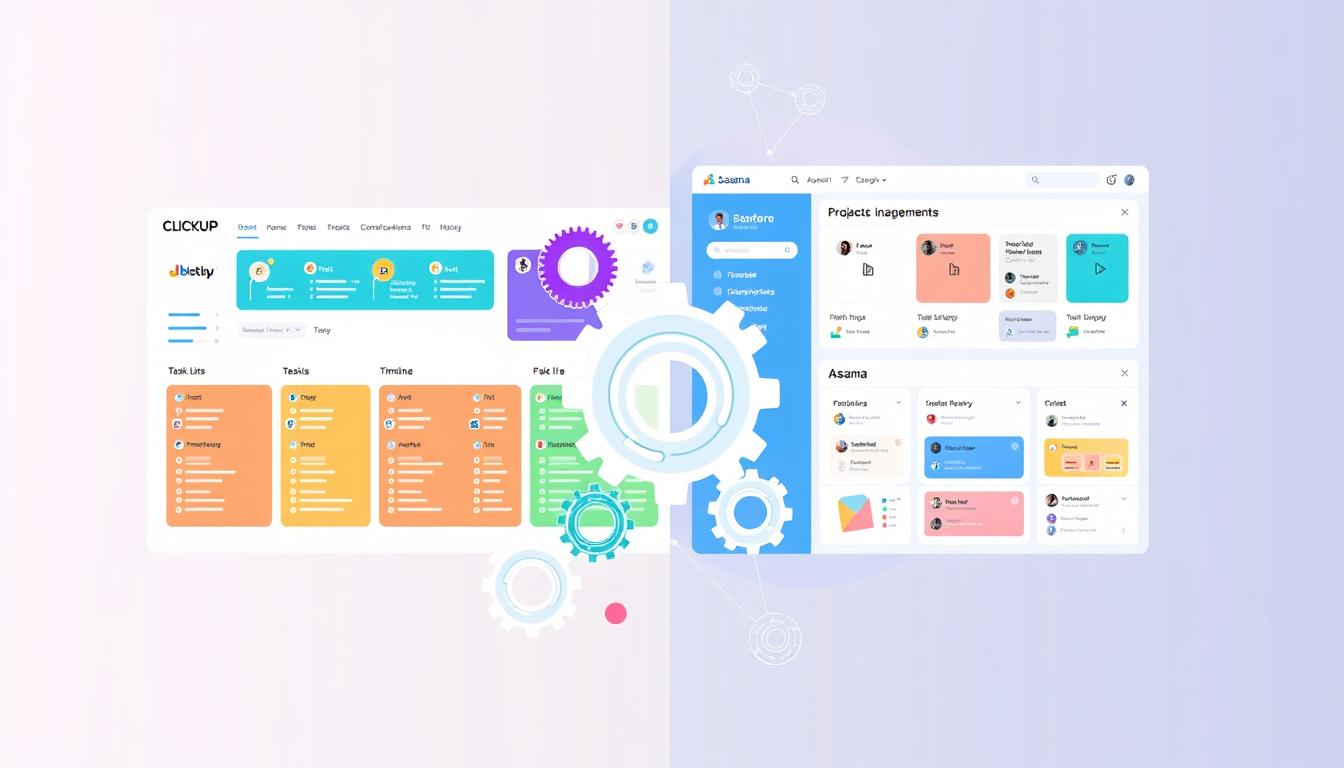
In today’s world, AI collaboration tools are essential for teamwork. They make communication smoother and boost productivity, changing how teams work globally. Tools like Trello, ClickUp, and Asana have transformed AI task management with automated workflows.
Automated Task Management
Task management automation offers significant advantages. AI helps teams avoid time-wasting manual tasks. It ensures tasks are assigned correctly, deadlines are met, and everything stays organized. For example:
- Automatic scheduling of meetings and deadlines
- Real-time updates to track progress and performance
- Seamless integration with your existing tools
AI task management lets teams concentrate on important projects while handling routine tasks. This not only increases efficiency but also boosts employee morale. It makes teams more engaged and motivated.
Language Translation Capabilities
Clear communication is vital, especially in global teams. AI-powered language translation tools help teams work together by overcoming language barriers. These tools ensure diverse teams can communicate effectively, sharing ideas and feedback freely. Key benefits include:
- Real-time translation of messages and documents
- Support for multiple languages, enhancing inclusivity
- Reduction of miscommunication risks during discussions or meetings
These tools create a collaborative space where everyone feels heard and valued. In today’s interconnected workplaces, multilingual communication tools are key to innovation and success.
The Benefits of AI-Enhanced Decision Making
AI-enhanced decision-making has revolutionized global team operations, creating a more efficient and responsive work environment. These technologies offer crucial support, helping businesses overcome challenges and streamline their workflows.
Predictive Analytics for Workflow Optimization
Predictive analytics is a key component of modern decision-making. AI tools analyze vast data sets, spotting patterns and anomalies humans might overlook. This ability allows for forecasting future scenarios, enabling adjustments based on expected changes.
For example, Walmart uses predictive analytics to manage its supply chain. This approach helps maintain optimal inventory levels and meet consumer demands effectively.
Real-Time Insights for Better Performance
Real-time insights are essential for quick responses to changing situations. AI solutions provide current data, facilitating rapid decision-making that aligns with business objectives. Amazon, for instance, uses predictive analytics to offer personalized product recommendations, improving user experiences and boosting sales.
Access to performance insights allows teams to monitor progress, track deadlines, and identify potential obstacles. This fosters a culture of accountability and agility within the organization.
Customizing Workflows with AI Solutions
In today’s fast-paced work environment, adopting AI customized workflows offers a significant advantage for teams navigating complex processes. By implementing these tailored solutions, businesses can ensure that their project management approaches align perfectly with the individual team needs. This leads to enhanced efficiency and productivity.
AI-powered platforms analyze team members’ productivity levels and preferences, allowing for a more personalized experience. You can explore several methodologies, including Agile and Kanban, adapting them based on your team’s dynamic. This responsive process fosters adaptive task management, empowering your team to find and implement the strategies that yield the best results.

Leveraging AI tools not only streamlines operations but also reduces errors and resource expenditure. The automation of daily tasks frees up valuable time for team members to focus on innovation and strategic problem-solving. By embracing AI customized workflows, you position your business to thrive in an ever-evolving landscape, improving collaboration and driving success.
Streamlining Communication with Smart Tools
Effective communication is key to project success in global teams. Companies now rely on smart communication tools and AI-integrated platforms to boost connectivity and collaboration. These tools blend seamlessly with current workflows, making team communication across various channels efficient.
Integration with Existing Platforms
Platforms like Slack, Microsoft Teams, and Zoom are crucial for team interaction. By incorporating AI, these platforms offer advanced features that streamline workflow management. For instance, Google Workspace’s AI features simplify email management, making it more user-friendly and personalized.
Some notable examples include:
- Zoom’s AI Companion, which enhances email productivity with features like Email Compose and AI-Powered Content Generation.
- Boomerang for Gmail, featuring the AI-Powered Email Assistant (Respondable) to boost email effectiveness and increase response rates.
- Clara Labs, an AI-powered email assistant designed to streamline scheduling and email management for better productivity.
- Superhuman, which excels in rapid email processing, offering AI-Powered Tools for efficient email sorting and reply functionality.
By using AI functionalities, teams get automated notifications and summaries. This prevents important updates from getting lost in the noise. The benefits of smart integrations also mean teams can access various functionalities from familiar platforms. This leads to higher user adoption and satisfaction.
Enhancing Security and Compliance
Global teams handling sensitive data remotely must prioritize collaboration security and data compliance. The surge in regulatory activity, especially in financial services, necessitates strong secure project management. Indeed, 73% of compliance leaders foresee heightened regulatory scrutiny this year. Meanwhile, 67% expect their compliance resources to either stay the same or decrease.
Organizations are turning to advanced AI-driven collaboration tools to tackle these challenges. These technologies support secure project management and enhance oversight through proactive monitoring. They offer automatic compliance checks and real-time threat alerts, reducing data sharing and communication risks.
Compliance teams face major hurdles due to the increasing volumes of eDiscovery data and the complexity of communication compliance. Managing these aspects can overwhelm traditional frameworks. Businesses need sophisticated solutions like Copilot for Security, which streamlines data categorization and analysis for compliance.
The significance of insider risk management cannot be overstated. AI is revolutionizing how organizations detect and mitigate internal threats while ensuring adherence to evolving DLP policies. These frameworks must adapt to new data types and use machine learning to spot anomalies that could signal potential data leaks.
With AI solutions, organizations can respond quicker to compliance threats with real-time alerts. Developing effective prompts and integrating tools like Microsoft Purview strengthens compliance efforts. This allows teams to navigate the complex landscape of collaboration security and regulatory compliance more effectively.
Maximizing Productivity through Automation
In today’s fast-paced business environment, maximizing productivity through automation is more critical than ever. Organizations are leveraging productivity automation to enhance workflow efficiency and drive better results. Advanced technologies allow teams to focus on strategic initiatives, leaving repetitive tasks to automated systems.
Task Prioritization and Alerts
AI task alerts are crucial for ensuring team members are aware of pressing deadlines and task priorities. Automation tools help achieve a more structured task management approach. For example, features that allow teams to set reminders and alerts can prevent missed deadlines and overlooked assignments.
- Automation platforms can prioritize tasks based on urgency, ensuring critical projects get the attention they need.
- AI systems can flag tasks that might cause delays, promoting timely interventions.
- Tools like Wrike can streamline communication about project status, enhancing collaboration across your global team.
With 73% of U.S. companies incorporating AI into their processes, the shift toward automation is clear. A survey found that 22% of respondents believe AI enhances productivity, highlighting its benefits. AI-driven automation can increase efficiency by 40%, reducing operational costs and improving employee satisfaction.
AI minimizes errors, ensuring task execution precision. Automated systems analyze large datasets, providing insights to optimize your workflow. Empowering your team with AI capabilities fosters a more productive work environment, benefiting all stakeholders.
Conclusion
The integration of AI collaboration tools is transforming teamwork, leading to increased productivity and better communication. As more organizations adopt these technologies, they see their workforce become more engaged and efficient. About 70% of businesses using AI platforms report a significant improvement in brainstorming, thanks to virtual spaces that encourage idea exchange.
AI also improves real-time feedback, essential for successful project iterations. It automates up to 40% of routine tasks, freeing teams to focus on strategic goals. This boosts productivity compared to traditional methods. As teamwork’s future unfolds, agile organizations balance AI’s power with human intuition.
Collaborative technology’s effectiveness is evident in Tech Hub’s success stories. Businesses there have seen a marked improvement in collaboration and performance. This approach not only provides vital tools but also stresses the need for ethical and secure AI use. Embracing these advancements creates a culture of innovation, shaping the future of collaboration across various sectors.