Tools
Tools
Last Updated on December 9, 2025
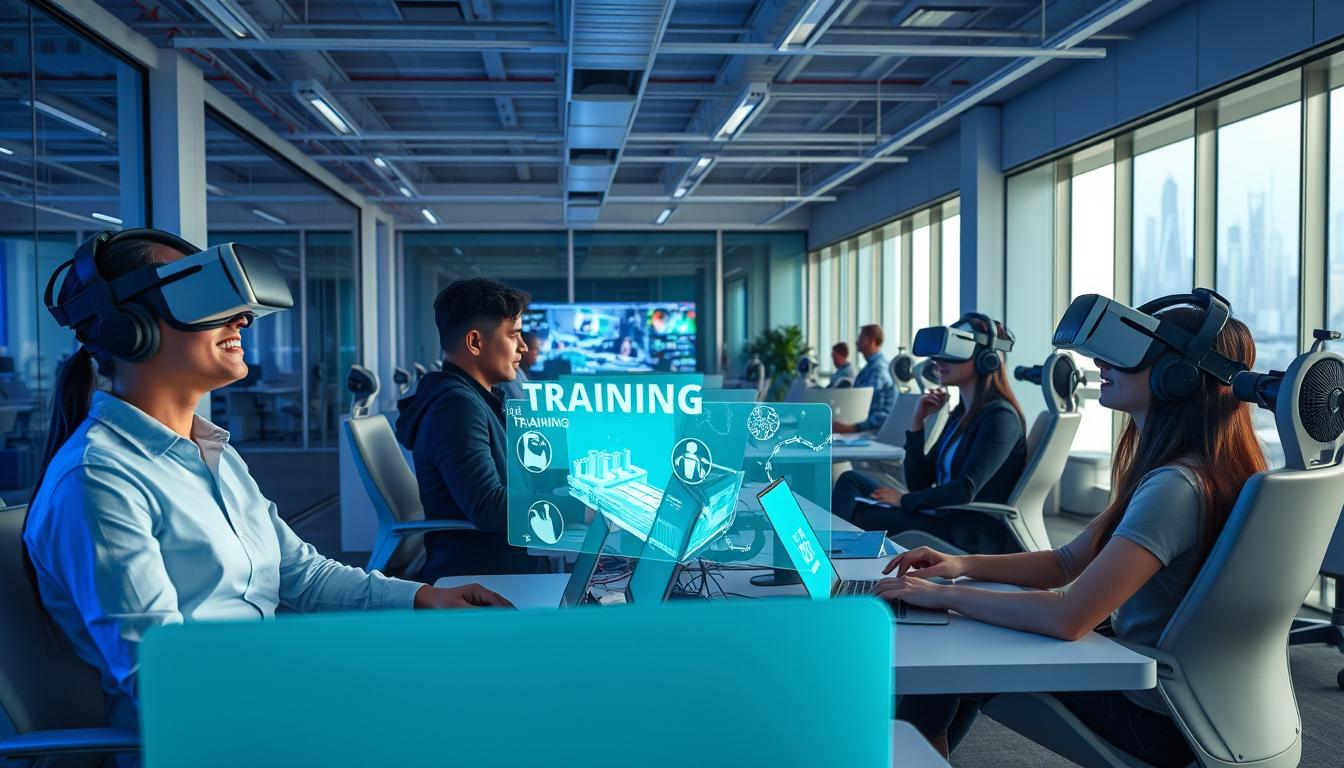
Welcome to a new era of Augmented Reality Training, where technology is transforming on-the-job training into an immersive experience. AR technology empowers you to visualize complex tasks in real time. It also enhances your understanding and retention of essential skills. Imagine stepping into a workplace where around 14 million employees in the U.S. will use smart glasses for training and tasks by 2025.
Companies like Walmart are already leading the way, investing in AR training programs. These programs significantly improve employee skill sets through practical, hands-on applications.
The incorporation of AR technology into training protocols redefines traditional methodologies. It makes them more engaging and relevant to today’s competitive job market. By leveraging immersive training experiences, you can equip yourself with the skills needed to excel in an evolving work environment.
For more insights on employee training advancements, check out this valuable resource.
Key Takeaways
- AR technology is reshaping traditional training methods to be more immersive.
- Walmart’s investment in AR has led to a 10-15% improvement in employee performance.
- By 2025, 14 million U.S. workers are expected to engage with AR tools.
- AR training enhances skill retention and understanding of complex tasks.
- Utilizing smart glasses in training can lead to significant productivity improvements.
Understanding Augmented Reality
Augmented Reality (AR) is a groundbreaking technology that merges digital information with our everyday lives. It combines real and virtual elements to create immersive environments for interactive learning. Smartphones and tablets, with their cameras, GPS, and sensors, make this seamless integration possible.
AR’s charm lies in its ability to overlay digital content on the real world, enhancing our interaction with it. Key features of AR include:
- Real-Time Integration: It merges virtual and physical worlds, allowing for meaningful engagement with the environment.
- Accurate Spatial Registration: The precise alignment of virtual and actual elements ensures a genuine experience.
- Interactive Learning Tools: AR revolutionizes traditional education, making learning more engaging and effective.
In fields like education, healthcare, and retail, AR applications have seen significant growth. A recent survey found that 60% of learners in AR programs were in their late 30s. This shows AR’s appeal across various age groups. Programs typically last six weeks, allowing learners to explore AR’s many uses beyond just art.
This approach creates a rich learning environment where diverse disciplines like UX design, psychology, and sociology converge. Learners appreciate tutorial videos that help them navigate AR platforms. They also highlight the importance of coding skills and socially responsible applications in their projects. This reflects a growing interest in using AR for both professional development and environmental awareness.
The adoption of AR technology marks a significant shift in on-the-job training, promoting adaptability and continuous learning. As AR training programs focus on local engagement, its potential to transform industries continues to grow.
What is Augmented Reality Training?
Augmented Reality Training uses AR technology to boost employee learning in a dynamic, interactive setting. It allows for real-time task practice, merging theory with practical application. This method offers immersive experiences that simplify complex tasks, providing a safe space for learning. It allows for error-making without real-world repercussions, promoting skill growth.
Custom AR training programs are tailored to meet your specific needs. They adjust to your learning pace, focusing on key skill areas. By 2025, 14 million U.S. employees will use smart AR glasses for training. Currently, 88% of medium-sized companies are using AR for their operations.
Various industries are seeing the benefits of AR training. Walmart, for instance, has equipped 17,000 employees with Oculus Go headsets for training. In manufacturing, AR goggles help reduce errors in car production. These experiences not only boost efficiency but also prepare workers for high-risk scenarios in defense and emergency services.
Benefits of Augmented Reality Training
Augmented Reality (AR) training brings numerous advantages, making it a top choice for workplace learning. It seamlessly blends digital elements with the real world. This integration enhances various aspects of training, leading to better outcomes for learners and organizations alike.
Engagement and Interactivity
The benefits of AR training are most evident in its ability to foster engagement and interactivity. Trainees can engage with 3D models and simulations, encouraging active participation. This hands-on approach allows individuals to practice tasks at their own pace, enhancing their understanding.
Such immersive experiences motivate trainees to delve deeper into their roles. They foster innovative learning experiences that remain memorable.
Cost Efficiency
Although the initial investment in AR technology is significant, its long-term benefits of AR training make it cost-effective. The technology’s reusability and compatibility with devices like smartphones reduce additional costs. This approach streamlines training, cutting down onboarding time and expenses.
For organizations aiming to increase productivity, AR solutions offer substantial economic benefits.
Enhanced Safety during Training
AR training excels in providing a safe environment for learning. It allows learners to practice in potentially hazardous scenarios without risk. This is especially vital in high-risk industries, enabling trainees to develop critical skills safely.
By addressing cognitive barriers and offering practical experience, AR ensures a thorough understanding of tasks. It prioritizes safety, making it an invaluable tool for training.
Applications of AR in Various Industries
Augmented Reality (AR) is transforming training across various sectors, making learning more effective and practical. It’s crucial for boosting efficiency and safety in real-world settings.
Manufacturing
In manufacturing, AR guides workers through complex tasks in real-time. It cuts down on mistakes and boosts productivity. AR training focuses on key tasks like welding and assembly in car factories, where accuracy is paramount.
Through AR, workers get digital instructions that adapt to their ergonomic needs. This ensures consistency and efficiency among teams.
Healthcare
AR has transformed medical training in healthcare. It offers enhanced simulations for practicing surgeries and exploring human anatomy. These interactive AR technologies improve learning outcomes, leading to better patient care.
AR training in healthcare allows students to gain hands-on experience safely. This prepares them for real-world challenges.
Field Service and Maintenance
AR is vital in field service training, offering technicians real-time visual instructions. This support enhances their problem-solving skills, enabling them to solve issues efficiently. AR training lets technicians see step-by-step procedures, improving productivity and customer satisfaction.
Real-World Examples of AR Applications in Training
Augmented Reality (AR) has transformed training in many fields, proving its worth through numerous examples. It’s used by companies and schools to improve skills in a safe, engaging way. This technology creates a more immersive learning experience.
Walmart’s AR Training Program
The Walmart AR program is a standout in retail training. It uses 17,000 Oculus Go headsets for engaging onboarding. This approach boosts employee interaction and practical skills, making daily operations more efficient.
Medical Training Simulations
Medical training has seen a major advancement with AR. Medical schools now use AR to show human anatomy in 3D and practice surgeries safely. This innovation boosts confidence and skill levels among future doctors.
AR in Aerospace Training
AR greatly benefits the aerospace industry through training. Trainees can see aircraft parts in real-time and get detailed instructions through AR. This method makes learning complex tasks easier and more effective.
How AR Enhances Traditional Training Methods
Augmented reality (AR) revolutionizes traditional training methods by offering innovative solutions. It creates effective learning environments through realistic simulations and AR for on-the-job support. This ensures employees gain the skills needed for their roles while enjoying interactive content.
Realistic Simulations
AR excels in creating realistic simulations for practicing complex tasks safely. Companies like Boeing use AR for training employees on intricate machinery repair. This significantly improves understanding and retention of essential skills.
Such immersive experiences enable learners to engage actively. They bridge the gap between theoretical knowledge and practical application. This method elevates traditional training methods, providing real-life scenarios that enhance your learning experience.
On-the-Job Support
AR for on-the-job support offers real-time guidance during task performance. AR tools, like those used by Walmart Academy, provide critical instructions without interrupting workflow. This innovative approach streamlines processes and boosts confidence in your capabilities.
As a result, the learning retention rate improves, enhancing your overall effectiveness in the workplace. The opportunity for remote collaboration empowers teams across various locations. They can engage in standardized training modules, ensuring consistent skill development regardless of geography.
Augmented Reality Training for High-Risk Scenarios
In high-risk training scenarios, Augmented Reality (AR) stands out as a game-changer. It’s particularly valuable in fields like law enforcement and firefighting. AR allows personnel to dive into realistic simulations, boosting their tactical skills while keeping them safe.
Defensive Training
AR has revolutionized defensive training. Trainees can practice in scenarios that mirror real threats. For example, police officers can rehearse arrest scenarios and conflict resolution without facing actual dangers. This method sharpens decision-making and readiness for critical moments, ensuring they’re prepared when it counts.
Firefighting and Emergency Response
In emergency response training, AR offers a unique advantage for firefighters. It simulates fires and other crises, helping trainees refine their responses in a safe setting. This not only boosts confidence but also improves teamwork and communication. As they tackle these simulations, their effectiveness in real emergencies grows.
The Future of Augmented Reality Training
The landscape of augmented reality (AR) training is rapidly evolving. Technological advancements in AR are making training tools more functional and affordable. As these advancements continue, more organizations will adopt these cutting-edge technologies to improve their training programs.
Continued Technological Advancements
AR training is on the cusp of significant changes. The AR and VR market is projected to reach $95 billion by 2025. This growth drives research and development, adding advanced features to AR solutions.
Apple’s ARKit 6 and Google’s ARCore are enhancing AR capabilities for businesses. They make training experiences more immersive and engaging. AI is being used to create realistic scenarios, increasing user engagement and skill acquisition.
Implications for Employee Skill Development
The implications for employee skill development are significant as AR technology becomes more prevalent. Businesses can use this innovation to create personalized, adaptive training programs. These programs are tailored to individual learning styles.
Enhanced training methods lead to efficient knowledge transfer and better retention rates. This results in a more skilled workforce that meets future demands. It’s crucial to select the right AR technology, ensuring compatibility with existing systems for successful implementation. You can learn more about the evolving nature of remote work trends here.
Challenges in Implementing AR Training
Augmented reality (AR) training holds great promise, yet it comes with significant hurdles for organizations. Grasping these challenges is crucial for a smooth transition to AR-based training solutions.
Technological Limitations
Technological constraints are a major obstacle in AR training. Often, the existing infrastructure may not be compatible with the advanced software needed for AR. You might face issues such as:
- Incompatibility with current devices
- Difficulties in user interface navigation
- Hardware constraints that affect performance
These problems can undermine the effectiveness of your training, emphasizing the need for thorough assessments before starting.
Training Costs and Implementation Time
The initial investment is another major hurdle. The costs of AR training programs can be high, mainly due to:
- Expensive advanced hardware
- Software development and customization costs
- The time required for planning and implementation
Although AR offers long-term advantages, the initial costs can be daunting. Adopting a phased approach or starting with pilot programs can mitigate risks. Working with AR technology companies can also streamline integration, ensuring solutions meet your specific needs.
Conclusion
Augmented Reality Training marks a significant shift in employee skill development. It creates immersive, risk-free environments, boosting learning and retention. This leads to a more adept workforce. Studies have shown AR’s effectiveness, from improving balance in older adults to enhancing stroke rehabilitation.
Looking ahead, augmented reality will be crucial in workforce development. It allows for faster learning and greater engagement. Companies see its value in empowering and skillfully preparing their workforce for a changing economy.
The path to implementing AR in training is challenging, but the benefits are substantial. AR can transform traditional training methods, promising a bright future for employee training. Adopting AR today prepares your workforce for tomorrow, keeping you competitive.