Tools
Tools
Last Updated on December 9, 2025
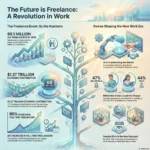
The work landscape is changing, making many wonder if freelancing is sustainable. Recent data shows 36 percent of U.S. workers, or 58 million Americans, identify as independent. This growth in freelance work is clear, with 76 percent of these workers in contract or freelance jobs. Yet, 54 percent worry about the long-term stability of their jobs.
With technology and economic shifts altering the workforce, it’s vital to understand freelancing’s future. We will delve into the various aspects of freelance work and its impact on the modern economy.
Key Takeaways
- 36% of the workforce in the U.S. are independent workers.
- 76% of independents are engaged in contract or freelance roles.
- 54% worry about employment stability while freelancing.
- A growing trend towards remote work echoes the success of freelancers.
- Freelance income levels vary significantly, impacting worker choice.
The Rise of Freelance Work
The freelance industry has seen remarkable growth, changing the work landscape. This growth shows a significant shift in how people view traditional employment. It offers a compelling outlook for the gig economy, driven by various factors.
Statistics on Freelance Workforce Growth
Recent data highlights the rapid increase in freelancing. In 2023, about 38% of the U.S. workforce, or 64 million people, were freelancers. By 2028, this number could reach 90.1 million, making up over 50% of the labor force. Globally, freelancers were around 162 million in 2019 and are expected to hit 216 million by 2025. This growth shows a significant shift towards freelance work across different sectors.
- The compound annual growth rate (CAGR) for freelancing stands between 15-16%.
- The top three public freelance marketplaces, Upwork, Fiverr, and Freelancer, generated just under $2 billion in revenue in 2022.
- By 2027, freelancers are projected to represent more than half of the U.S. workforce.
Influence of Technology on Freelancing
Technology is crucial in boosting freelance workforce growth. Digital platforms like Upwork and Fiverr make it easier for freelancers to find jobs. They remove geographical barriers, connecting freelancers with clients worldwide. Technology also improves efficiency and flexibility, helping freelancers succeed in a fast-paced market.
As freelance platforms invest in technology, we can expect further changes in freelance work. The gig economy outlook remains positive, with advancements changing traditional work models. Freelancers today have the tools to thrive in a dynamic landscape, supported by a growing acceptance of diverse work arrangements.
Understanding the Gig Economy
The gig economy marks a significant shift in how we work. It’s a model where individuals take on short-term, task-based jobs through digital platforms. These platforms make it simpler to find work that matches your lifestyle and skills. As you delve into this changing market, grasping the gig economy can unlock new opportunities while helping you navigate its hurdles.
What is the Gig Economy?
The gig economy is built on various freelance work types. It enables people to embrace a digital nomad lifestyle while handling commitments beyond regular jobs. Gig roles span from driving for services like Uber to creative tasks such as graphic design and social media management. This flexibility opens up opportunities for many workers who seek jobs that align with their personal and professional aspirations.
Types of Freelance Work Available
- Transportation services (e.g., ridesharing with Uber)
- Lodging and property rentals (e.g., Airbnb)
- Creative services like writing, graphic design, and marketing
- Consulting and project management roles
- Technical and IT support services
The landscape is vast, catering to a wide range of skills and preferences. This makes it easier for you to find a gig that fits. With the right mix of self-discipline and networking, the gig economy can provide a stable income and personal fulfillment.
Benefits of Freelancing
Freelancing brings numerous advantages that can greatly improve your professional and personal life. The rise of this work model has shown many the true benefits of freelancing. These benefits include flexibility and independence, which are highly valued.
Flexibility and Independence
Freelancing stands out for its flexibility in freelancing. You can set your own hours, creating a schedule that suits your lifestyle. This freedom allows you to work from anywhere, whether at home or a beachside café. It boosts productivity, as you can plan tasks for when you’re most effective.
Additionally, freelancers can earn unlimited income. This means you can increase your earnings without the limits of traditional jobs. By setting your own rates and working with various clients, your income potential grows significantly.
Work-Life Balance Advantages
Freelancers often enjoy a better work-life balance than traditional employees. About 74% of gig workers are happy with their work-life balance. This satisfaction comes from effectively managing personal and professional duties.
By controlling your workload and deadlines, you reduce the risk of burnout. This leads to better emotional and mental health. Freelancers can take breaks as needed, promoting a sustainable work lifestyle. As the freelancing industry grows, maintaining a work-life balance remains a key reason for many to choose this path.
Challenges Faced by Freelancers
As a freelancer, you enjoy the flexibility and independence. However, the challenges can be significant, affecting your work experience. It’s crucial to understand these hurdles to navigate your career effectively.
Job Security and Income Stability
Job security and income stability are major challenges. Freelancers often face unpredictable cash flow, with income varying due to workload and client demands. Payment delays are common, with over 40% of UK companies paying late, averaging 2.5 weeks past due.
This uncertainty can strain finances, making budgeting and planning difficult. Studies show 55% of gig economy workers earn under $50,000 annually, with 51% experiencing wage theft. Developing strong client relationships is key to securing timely payments.
Limited Access to Benefits
Freelancers also face limited access to benefits enjoyed by traditional employees. This includes health insurance, retirement plans, and paid time off. The lack of benefits complicates long-term planning, adding to your stress levels.
The gig economy’s growth may lead to better conditions for freelancers. New benefit frameworks and classification criteria are emerging. Staying informed about these changes can position you better in the market.
The Future of Freelancing
The future of freelancing is filled with promising prospects, driven by shifting trends and a growing need for specialized skills. As the gig economy continues to grow, professionals must keep up with these changes to thrive.
Trends Shaping Freelance Opportunities
Recent studies reveal a significant rise in the number of people opting for freelance careers. In the U.S., nearly 60 million individuals engage in freelance work, adding about $1.4 trillion to the economy each year. This trend shows a shift towards more skilled roles, with advanced degree holders increasingly choosing freelance paths. It’s predicted that over 50% of the workforce may freelance by 2027.
Skills in Demand for Freelancers
As freelancing grows, certain skills are becoming crucial for success. Digital marketing, UX/UI design, and AI development are key as businesses navigate technological advancements. Investing in upskilling through courses and networking can greatly improve your chances in this competitive field. Freelancers with expertise in these areas will find more rewarding opportunities and enjoy more flexibility in their work choices.
The Impact of Remote Work Trends on Freelancing
The world of freelancing has undergone a significant transformation in recent years. This change is largely due to the rise of remote work trends. These trends have not only altered how freelancers work but also have a profound impact on client relationships.
How Work-from-Home Policies Affect Freelancers
The growing acceptance of work-from-home policies has opened up new opportunities for freelancers. Companies embracing flexible work arrangements have seen a significant increase in demand for freelance talent. This allows you to connect with clients globally, broadening your market reach. Some benefits include:
- Access to numerous job opportunities worldwide.
- Greater flexibility to manage your work hours.
- Ability to work with diverse clients, enhancing professional growth.
This shift in the workforce has highlighted the importance of freelancers in the modern economy. They are now seen as crucial players.
Long-term Changes in Client Relationships
The dynamics of client relationships are evolving due to these remote work trends. Organizations now recognize freelance talent as essential for scaling operations without the need for full-time commitments. Key changes include:
- Long-term collaborations being formed as businesses rely more on freelancers for specific projects.
- The expectation for freelancers to maintain open lines of communication and deliver high-quality results regularly.
- A growing emphasis on building trust and rapport between freelancers and clients, paving the way for repeat engagements.
As remote work becomes more prevalent, your ability to adapt and thrive in this environment will strengthen both your client relationships and your professional status as a freelancer.
Freelancing Post-Pandemic
The COVID-19 pandemic has dramatically altered our work landscape, revealing clear shifts in work preferences. Many are reassessing their career choices, leading to a surge in freelancing popularity. This shift marks the beginning of a new era in freelancing post-pandemic, where flexibility and autonomy are paramount.
Shifts in Work Preferences Due to COVID-19
With restrictions easing, professionals increasingly turned to gig work, drawn by its flexibility. The main drivers behind these shifts in work preferences are:
- Enhanced work-life balance, as freelancers set their own schedules.
- Growing demand for location independence, breaking down geographical barriers.
- The allure of honing specialized skills, opening up better earning potential.
Growing Acceptance of Freelance Services
Businesses, facing uncertainty, are increasingly embracing freelance services acceptance. This shift is underscored by:
- The proliferation of platforms like Upwork and Freelancer, streamlining client connections and project management.
- Legislative recognition of freelancers, establishing legal frameworks for their work.
- Broader freelance opportunities across various sectors, beyond traditional fields.
The post-pandemic era presents an exciting opportunity for freelancers, with new avenues opening for those ready to adapt and specialize. Embracing this change can lead to increased job satisfaction and professional autonomy.
Economic Outlook for the Gig Economy
The gig economy is rapidly evolving, offering a bright future for freelancing. The American Opportunity Survey by McKinsey in 2022 found that independent workers now make up 36 percent of employed Americans. This is a significant increase from 27 percent in 2016. It shows that more people are drawn to flexible work options over traditional jobs.
Statistics Forecasting Growth Post-2023
By 2025, gig work is expected to make up half of the U.S. workforce. The freelance economy’s value is set to hit $455 billion globally by 2023. Advances in technology, like AI, will also boost efficiency for freelancers, driving growth.
Many companies are now blending teams, allowing freelancers to work alongside full-time staff more often. This shift is crucial in shaping the future of work.
Comparison with Traditional Employment Models
Freelancers often report higher job satisfaction and more flexibility than those in traditional jobs. A significant 3 in 4 Americans under 45 believe that flexible workers will play a big role in the U.S. economy’s future. Over 40 percent of workers are considering switching to gig jobs for better work-life balance, like the four-day workweek.
As this trend grows, companies are adapting to attract and keep talent. They’re offering more autonomy to their employees, mirroring the flexibility of gig jobs.
The Role of AI in Freelancing
The rise of AI in freelancing is transforming your work approach. Automation tools are reshaping the industry, helping you optimize your work and boost productivity. These technologies handle repetitive tasks, freeing you to concentrate on high-value activities. This way, you can offer more to clients while reducing time spent on tasks, leading to higher profits.
Automation and Task Management Tools
AI-driven project management tools analyze your work habits and suggest the best schedules. This can greatly improve your productivity. By using these tools, you can manage your work better and stay competitive. Many freelancers who adopt these technologies find themselves better equipped to succeed in a competitive field. You can expand your services and provide more value to clients, making your freelance career more stable.
AI’s Influence on Job Opportunities in Freelancing
Your ability to use AI is part of a larger shift in the gig economy. More skilled professionals are choosing freelance work over traditional jobs. AI helps you compete with big companies, keeping you agile and responsive to market demands. Working with AI can create a workflow that goes beyond what you can do alone.
Planning for a Sustainable Freelance Career
To thrive in a sustainable freelance career, effective financial planning is crucial. Begin by setting aside time to create a detailed financial plan tailored to your needs and goals. Financial planning freelancers stress the importance of an emergency fund and retirement savings. These steps are foundational for a secure future.
Financial Planning Tips for Freelancers
Adopting diligent financial practices significantly impacts your freelance journey. Consider these strategies:
- Establish a Budget: Regularly track your income and expenses. A clear budget manages cash flow and reduces financial stress.
- Create an Emergency Fund: Aim for three to six months of living expenses. This fund provides peace of mind during lean times.
- Invest in Insurance: Health, liability, and property insurance protect against unforeseen circumstances that could derail your career.
- Focus on Tax Planning: Understanding tax implications and setting aside funds for taxes can prevent surprises come tax season.
Building a Personal Brand for Longevity
Beyond financial planning, a robust personal brand is key in the freelance market. Your brand shapes how clients perceive you, influencing your success. Key personal branding components for freelancers include:
- Online Presence: Create a professional website and use platforms like LinkedIn to showcase your skills and portfolio.
- Networking: Connect with other freelancers and potential clients through industry events and social media. Networking opens new opportunities and collaborations.
- Continuous Learning: Stay competitive by enhancing your skills. Enroll in relevant courses, attend workshops, and pursue certifications to maintain your edge.
- Delegate Tasks: As your freelance career grows, consider outsourcing or automating non-core tasks to focus on your strengths.

Building a personal brand takes time. Highlighting your unique experiences helps you stand out in a crowded market. Resources like Hire a Writer’s blog offer valuable insights into writing and business. Remember, combining financial prudence with a distinct personal brand is vital for a successful and sustainable freelance career.
Conclusion
The future of freelancing looks promising, thanks to its flexibility and growing acceptance across industries. Recent statistics show that 91% of successful freelancers stress the need for good financial management. This is key to sustaining your freelance career. Adaptability and continuous learning are also crucial, as the gig economy landscape shifts.
Dealing with job security and income uncertainty is a challenge many freelancers face. However, diversifying your skills can make a big difference. Freelancers who expand their skill set see a 45% boost in client interest. This adaptability not only attracts more clients but also leads to long-term projects, securing a sustainable future in the gig economy.
While there are obstacles to overcome, the rise of remote freelancers and a predicted CAGR 15.3% growth by 2026 open up significant opportunities. Stay ready to adapt, improve your online presence, and build strategic networks. This will help you excel in the evolving world of freelancing.