Tools
Tools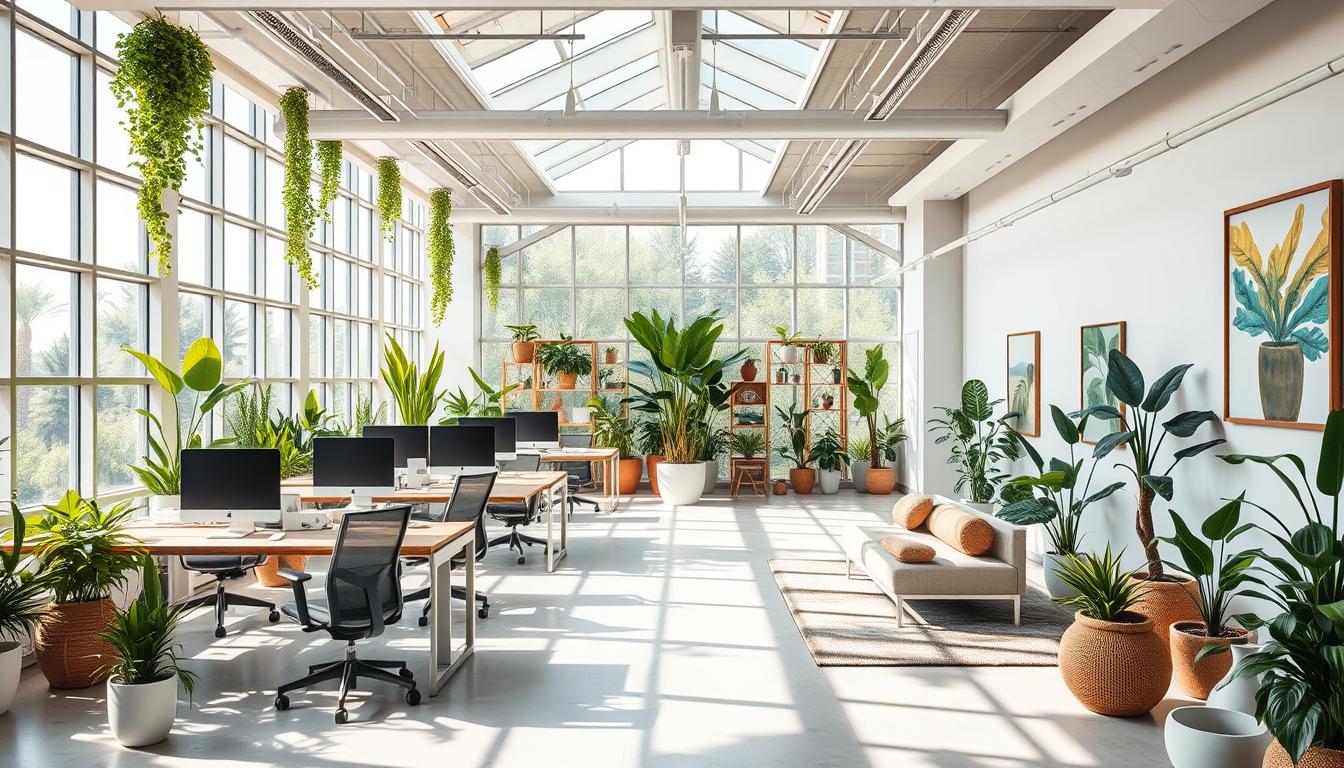
Last Updated on December 9, 2025
The modern business world is witnessing a significant shift, with traditional offices evolving to meet modern work trends. With more employees working remotely, companies are focusing on making their offices more appealing. This change aims to create spaces that boost productivity and encourage innovation.
By applying placemaking principles, companies can turn their offices into inviting places. These spaces combine work, living, and leisure areas to support overall well-being and balance between work and life. Features like café-style workstations and outdoor relaxation spots cater to employees’ needs, making their workplace a priority. This approach draws inspiration from the hospitality industry, aiming to create memorable experiences that build team loyalty.
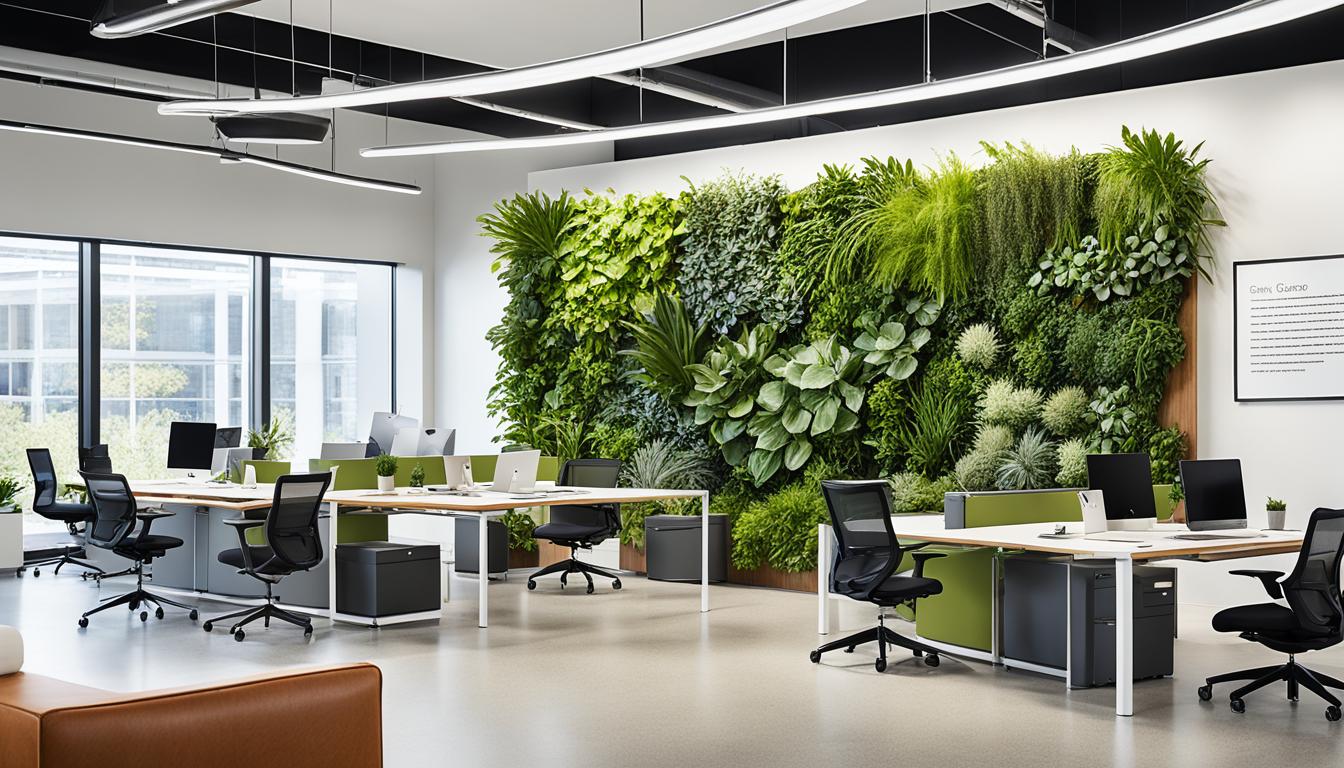
Adding elements like natural light and greenery to offices boosts emotional health, lowers stress, and supports productivity. The evolution of office design is not solely about looks. It’s about crafting flexible, comfortable spaces that cater to various employee needs, leading to higher job satisfaction and performance.
Key Takeaways
- Traditional office spaces are transforming to better align with contemporary work preferences.
- Remote work adoption drives the need for appealing and engaging office spaces.
- Placemaking principles can integrate work and living spaces for enhanced well-being.
- Inspiration from hospitality design enhances employee experiences and engagement.
- Future office layouts prioritize flexibility and well-being catered to diverse workstyles.
- Employee satisfaction is improved with amenity-rich environments reflecting residential comforts.
Understanding Modern Workplace Trends
The work landscape is undergoing significant changes, making it crucial to grasp modern workplace trends. The surge in remote work has led many companies to reassess their approaches. Employees now seek environments that cater to their individual needs, affecting their office connection. A Microsoft survey reveals that a large number of workers are considering job changes, with the work environment playing a key role in their decisions. This underscores the need for adaptable and inclusive workspaces.
The Impact of Remote Work on Office Dynamics
Remote work is transforming office dynamics. Companies embracing flexible work policies struggle to sustain a unified company culture. Employees who value flexibility and respect in their work environment tend to remain loyal to their employers. However, modern trends indicate that office space still plays a vital role. It encourages collaboration and team engagement.
Reevaluating the Purpose of Office Space
The changing work environment demands a reevaluation of office space purpose. The traditional office model is evolving towards spaces that prioritize well-being and flexibility. To lure top talent, companies are crafting destination workplaces that accommodate various work styles. These offices should feature quiet areas for concentration, collaborative spaces for idea sharing, and zones for relaxation and socializing. Such elements are crucial for both comfort and productivity in a competitive business landscape.
Future Office Design: Key Strategies for Success
To craft a successful future office design, focus on two critical areas: creating engaging work environments and ensuring flexible office layouts. This strategy meets the current needs of employees and prepares for work’s future changes.
Creating Engaging Work Environments
Engaging work environments boost productivity and employee happiness. When designing these areas, keep in mind the following:
- Incorporate various workspace typologies to accommodate different work styles, such as quiet areas for focused tasks and collaborative zones for team projects.
- Maximize natural light to enhance mood and energy levels, making the office a more pleasant place to be.
- Integrate amenities that support well-being, including areas for relaxation and social interaction.
- Provide dedicated individual workspaces that cater to younger workers’ preferences for privacy amidst shared living arrangements.
Prioritizing Flexibility in Office Layouts
Flexible office layouts are crucial for meeting the varied needs of employees. Consider these strategies:
- Utilize movable walls and modular furniture to create adaptable spaces that can change as team sizes and activities shift.
- Design areas specifically for team collaboration, ensuring they are equipped with necessary tools and resources.
- Incorporate a variety of layout types, such as activity-based spaces and co-working environments, to cater to both individual and group work.
- Regularly assess space utilization to optimize the layout based on employee feedback and changing needs.
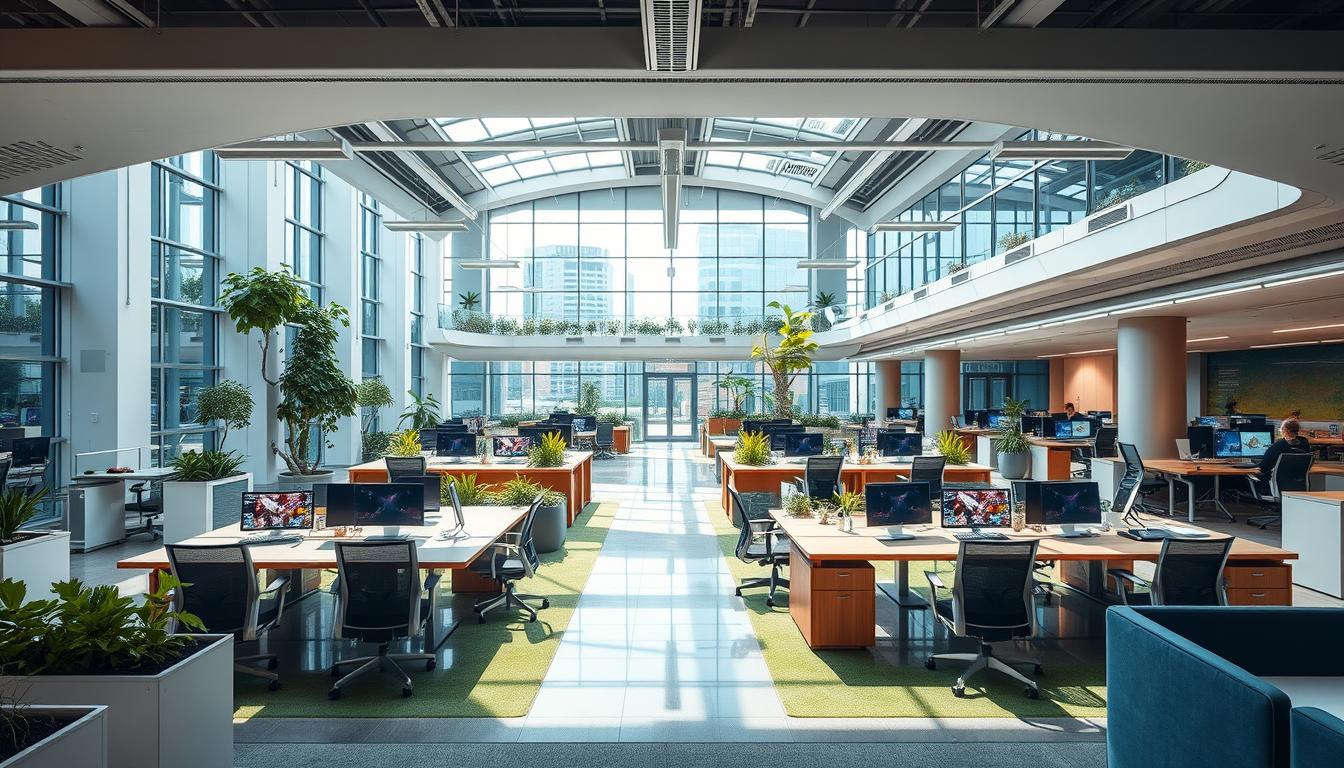
Innovative Workspace Concepts Gaining Popularity
Organizations are adapting to new work patterns by embracing innovative workspace concepts. These strategies aim to boost employee satisfaction and promote teamwork. The blend of placemaking and hospitality design is key to this shift.
Transformation through Placemaking Principles
Placemaking is about crafting spaces that spark interaction and build community. It redefines office layouts by adding elements that go beyond utility. Features like café-style work zones, shared lounges, and outdoor areas are now common. These elements boost morale and spark creativity among employees.
Leveraging Hospitality Design Elements
Hospitality design focuses on comfort, service, and interaction. Applying these principles to the workplace elevates the employee experience. Details such as plush seating, strategic lighting, and warm reception areas significantly impact the work environment. When employees feel at ease and appreciated, their productivity soars.
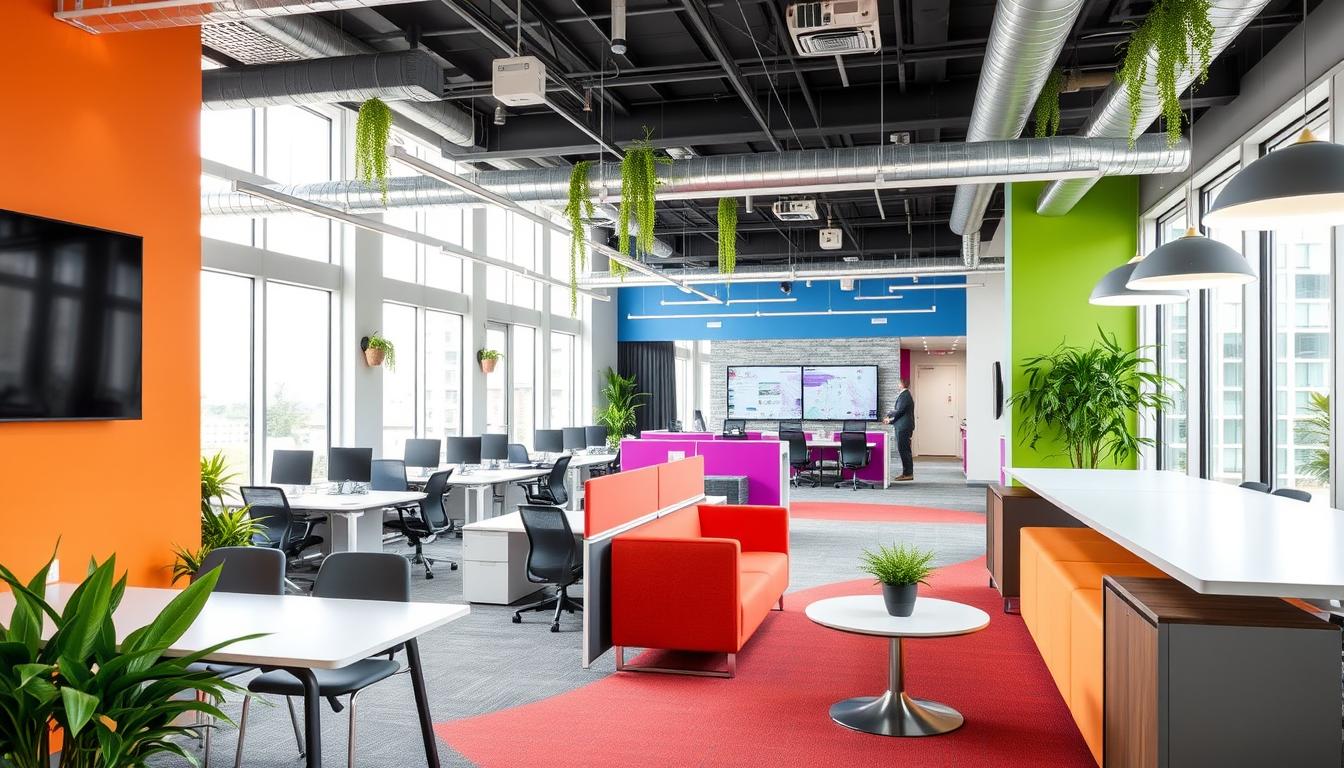
Sustainable Office Environments: A Growing Necessity
Sustainability in office design has shifted from a trend to a critical element of modern workplaces. Companies now see the value in creating sustainable offices that aid the environment and their employees. By embracing green design, firms can enhance their efficiency and create a healthier work environment.
Implementing Green Design Practices
Green design practices are crucial for sustainable offices. These include:
- Using energy-efficient lighting and equipment, which can cut energy use by up to 50%.
- Choosing sustainable materials, like low VOC paints, to improve air quality indoors.
- Implementing effective waste management and recycling to reduce landfill waste.
These efforts can lower operational costs by 20-30%. Sustainability becomes both a moral and financial smart choice.
Biophilic Elements in Future Offices
Biophilic design is vital for fostering well-being and productivity in offices. Being around nature can:
- Boost employee satisfaction and productivity by up to 15%.
- Lower absenteeism due to health issues by up to 30%.
- Encourage a positive company culture through better work-life balance and flexibility.
As eco-awareness grows, companies that adopt biophilic design attract top talent and boost their reputation and customer loyalty by up to 20%. Sustainable offices are key to drawing in eco-conscious investors and clients, showing a dedication to lasting success.
Collaborative Office Design for Enhanced Teamwork
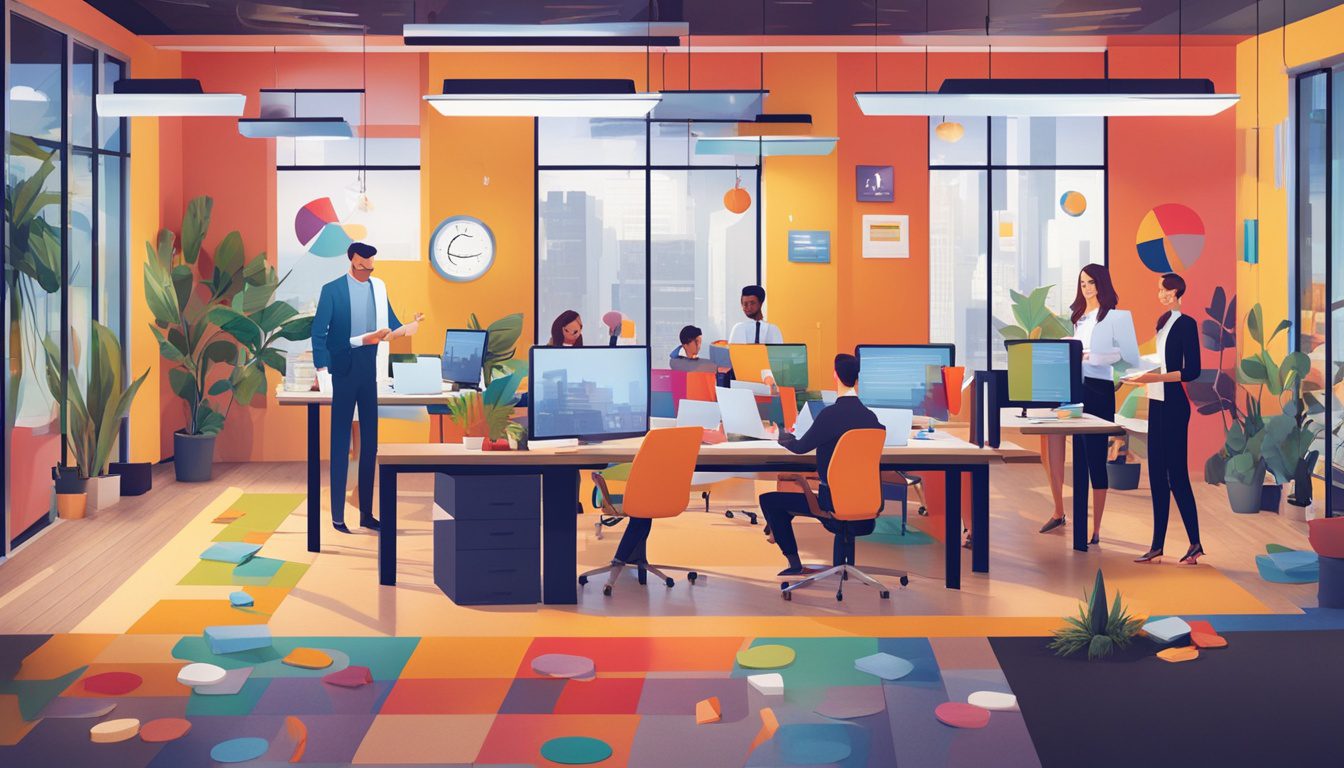
In today’s fast-paced work environment, a collaborative office design is crucial for boosting innovation and productivity. By creating spaces that encourage spontaneous interactions, teamwork among employees can be significantly improved. Various strategies help in designing effective offices that cater to different work styles and foster collaboration.
Building Spaces for Spontaneous Interactions
Modern offices now feature open spaces and flexible zones to encourage interaction. According to statistics, 85% of offices include these features for better collaboration. Breakout areas and huddle spaces, found in 92% of offices, are perfect for impromptu meetings and brainstorming. Informal chats in communal areas like kitchens and lounges can increase rapport and idea exchange by 40%.
Designing spaces for unexpected conversations can spark creativity. These areas allow for spontaneous talks that can lead to innovative ideas.
Designing Zones for Team Collaboration
Creating various collaborative workspaces is key to promoting teamwork. Collaborative workstations for 4-6 employees are ideal for teamwork on projects. Adding technology to these areas ensures seamless communication, a feature seen in 78% of modern offices.
Meeting spots, such as small huddle rooms, are used 65% of the time for quick updates. These spaces are excellent for keeping teams engaged and connected.
Technology Integration in Offices: The New Standard
The office design has undergone a significant transformation, making technology integration essential. Today, it’s not just a luxury but a must-have for businesses. The inclusion of smart office solutions has become crucial, enhancing both functionality and user experience.
Smart Office Solutions and Their Benefits
Smart office solutions bring numerous advantages, including:
- Improved efficiency: Automation of routine tasks significantly boosts productivity levels.
- Enhanced collaboration: Technology ensures seamless communication among team members, no matter their location.
- Better resource management: Advanced data analytics help businesses optimize resource allocation, enhancing operational efficiency.
Investing in these solutions meets the needs of a modern workforce and supports flexible workspaces. Companies are now focusing on multifunctional rooms and virtual meeting technology. This ensures that both in-person and remote collaborations are equally effective.
AI’s Role in Enhancing Office Efficiency
AI is pivotal in creating adaptable workspaces that cater to the evolving needs of employees. Its impact includes:
- Personalized environments: AI tailors settings to individual preferences, making workspaces more comfortable.
- Data-driven decision making: AI tools help businesses analyze workflow patterns and identify areas for improvement.
- Increased productivity: AI technologies enhance performance and streamline operations, leading to better team outcomes.
As more organizations recognize the importance of technology in offices, the future of workplace design will focus on innovative solutions. These will leverage both smart technologies and AI. This evolution will lead to environments that support productivity and cater to the diverse needs of the workforce.
Flexible Workspaces: Catering to Diverse Needs
Today’s workforce is diverse, making flexible workspaces crucial for boosting productivity and satisfaction. These spaces allow employees to choose environments that best fit their tasks. Whether it’s quiet for focused work or collaborative spaces for group projects, the choice is theirs.
Activity-Based Working Strategies
Activity-based working promotes mobility and engagement across various work settings. Employees can move between private focus areas, collaborative hubs, and relaxing lounges within one office. This approach significantly increases employee satisfaction, unlike traditional office layouts.
Organizations that adopt these strategies see boosts in creativity and collaboration. Shared spaces also reduce real estate costs and minimize unsatisfactory workstation repetitions. This leads to a more dynamic, engaging work environment.
Dedicated Spaces for Various Work Styles
Creating zones like quiet areas for focus, social zones for casual chats, and team areas for collaboration caters to different work styles. This layout supports both concentration and collaboration, fostering an adaptable environment. Employees feel empowered, leading to increased mobility, productivity, and retention.
Flexible workspaces also facilitate the successful integration of hybrid work models. These models blend in-office and remote work for a better employee experience.
Employee Well-Being in Office Design
In modern office design, prioritizing employee well-being is crucial. The health of employees significantly impacts productivity and morale. Thoughtful design elements can foster mental health and boost workplace satisfaction.
Prioritizing Mental and Physical Health
Research shows that a positive workplace atmosphere increases happiness, which in turn boosts productivity. Offices with open spaces lead to higher job satisfaction. Offering various zones, like quiet areas and collaborative spaces, balances relaxation and engagement.
These features attract top talent and foster loyalty, reducing absenteeism and turnover. They also encourage a sense of belonging and commitment.
Creating Sanctuary Spaces within Offices
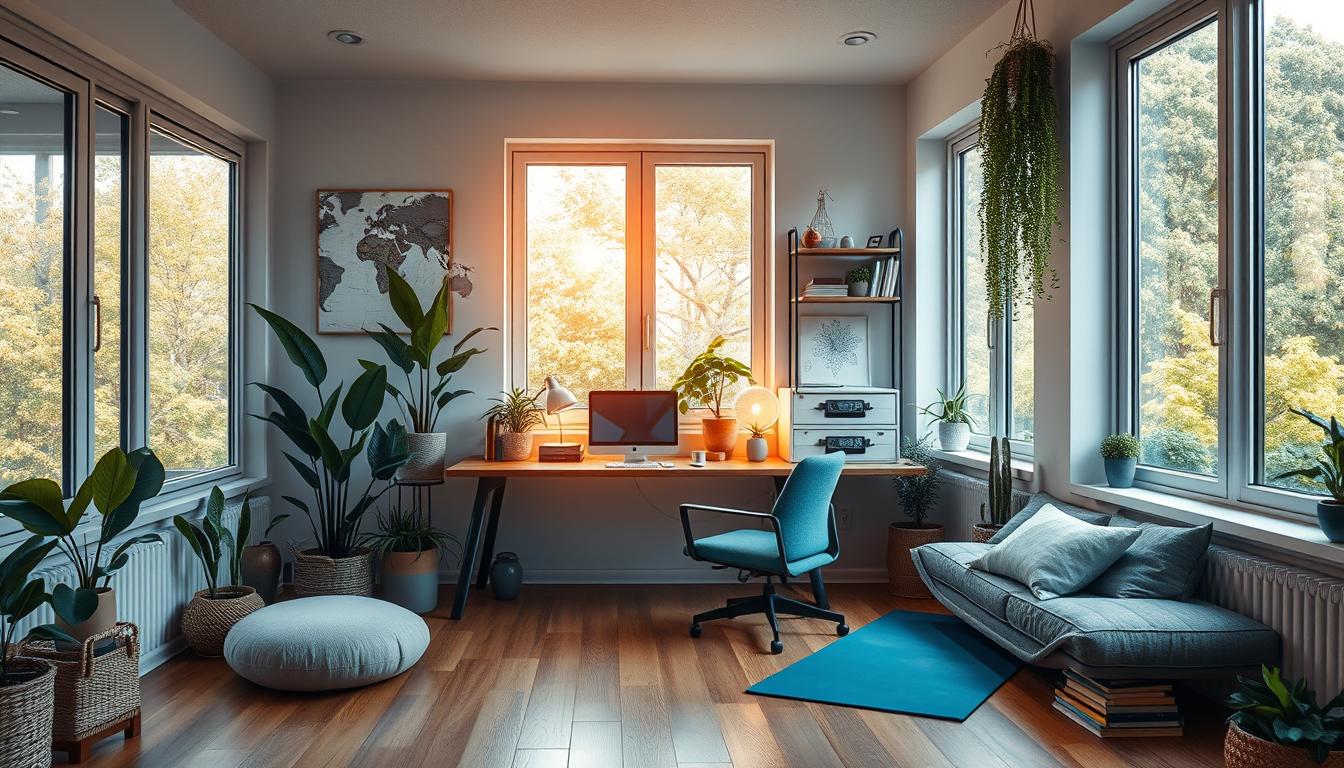
Designing sanctuary spaces is key to promoting employee well-being. Elements like recreational areas and biophilic designs uplift the work environment. Wellness rooms and fitness areas help reduce stress and encourage physical activity.
A well-designed open-concept café fosters community. Adjustable ergonomic furniture supports employee comfort. Employers can also improve mental health by addressing air quality and sound absorption.
Intentional spaces for collaboration and casual interactions enhance innovation and teamwork. Sanctuary spaces create a calming atmosphere, building a culture focused on employee well-being. Emotional intelligence in the workplace strengthens employee connections, boosting morale and productivity.
Exploring the future of office design, consider how these elements improve employee well-being and meet modern expectations. The benefits are clear: engaged and supported employees drive remarkable outcomes for the organization.
The Future of Office Spaces: Anticipating Changes
The evolution of office design is vital for embracing hybrid work models. Flexibility is now key in crafting future office spaces. Many employees might only visit the office occasionally, highlighting the importance of environments that support both in-person and remote work.
Responding to Hybrid Work Models
The transition to hybrid work models demands strong technology integration for smooth communication. High-speed internet, advanced video conferencing tools, and digital project management platforms are crucial. Employees expect their office experience to be as comfortable and effective as remote work setups.
The Rise of Destination Offices
Destination offices are becoming essential for boosting employee engagement and corporate culture. Alluring work environments can motivate people to return to a central workspace. It’s vital to incorporate health and safety measures, such as touchless technologies and advanced ventilation, to enhance the workplace experience.
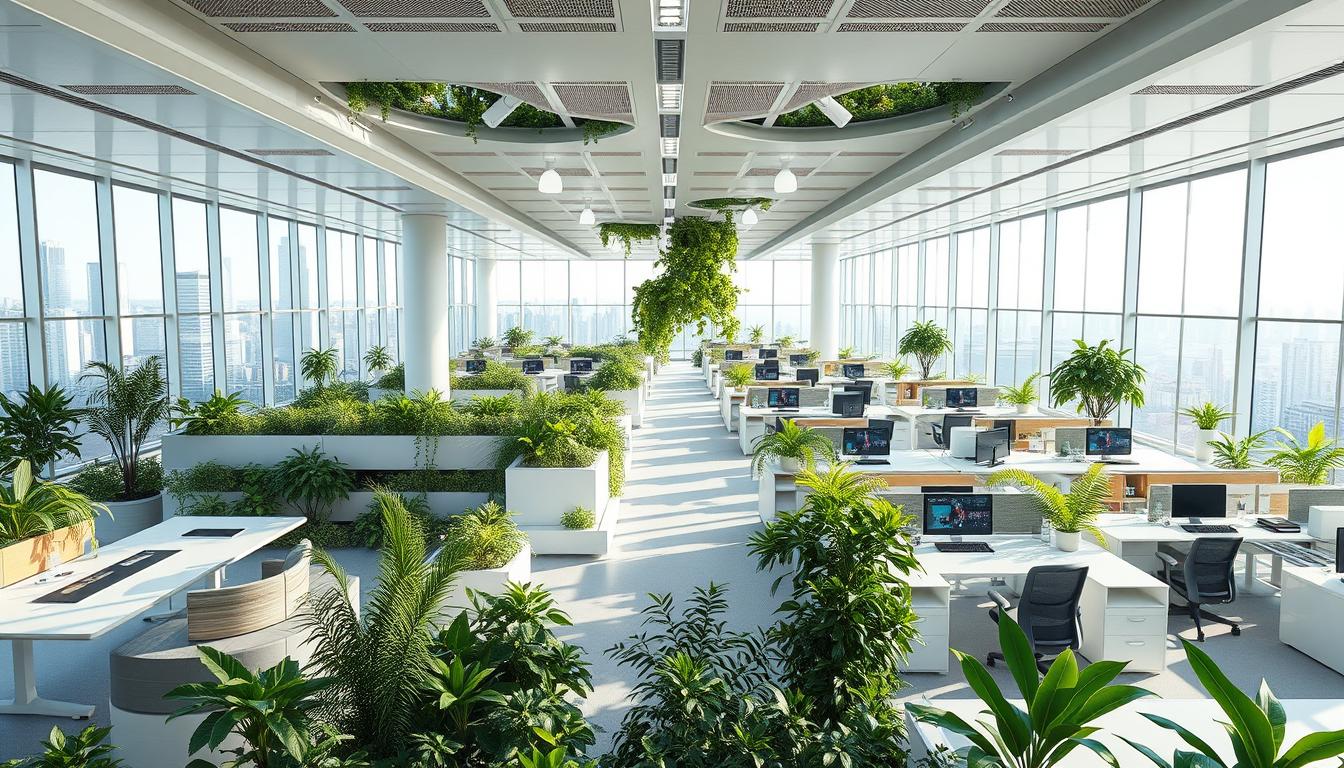
Sustainability is also crucial in future office designs. Companies are focusing on eco-friendly fit-outs that reduce energy usage and lower carbon emissions. The need for flexible furniture allows offices to adapt to different team dynamics and work styles.
Professionals in the commercial real estate sector have observed a trend towards redesigning existing offices to meet new demands. Surveys indicate a rise in requests for better air quality, social distancing, and inclusive co-working spaces in the coming years. The emphasis on human-centric designs continues to grow as companies aim for environments that promote comfort and collaboration.
Conclusion
The future of office design is rapidly changing, shaped by new workplace trends and the lasting impact of the pandemic. Companies globally are exploring ways to redesign their offices for hybrid workforces. This shift is prompted by the need for flexibility, as many employees spend their time in hybrid settings focused on work. Thus, creating spaces that support deep concentration is key to boosting productivity.
Businesses are now acknowledging the value of engaging with employees about their remote work preferences. This insight helps in crafting effective hybrid workplace designs. With most remote-capable employees preferring hybrid work, companies must integrate innovative furniture and technology. These elements should enhance both in-office and remote collaboration. The focus on employee well-being highlights the need for spaces that foster social interaction while ensuring safety through spatial divisions and barriers.
Looking forward, the future of office design will be marked by a commitment to adapt and innovate. Creating environments that value flexibility, sustainability, and employee satisfaction is vital. This approach will help companies maintain engagement and retain talent in the evolving work landscape. By keeping up with these trends, you can ensure your office space remains productive, collaborative, and inclusive for the future.