Tools
Tools
Last Updated on December 9, 2025
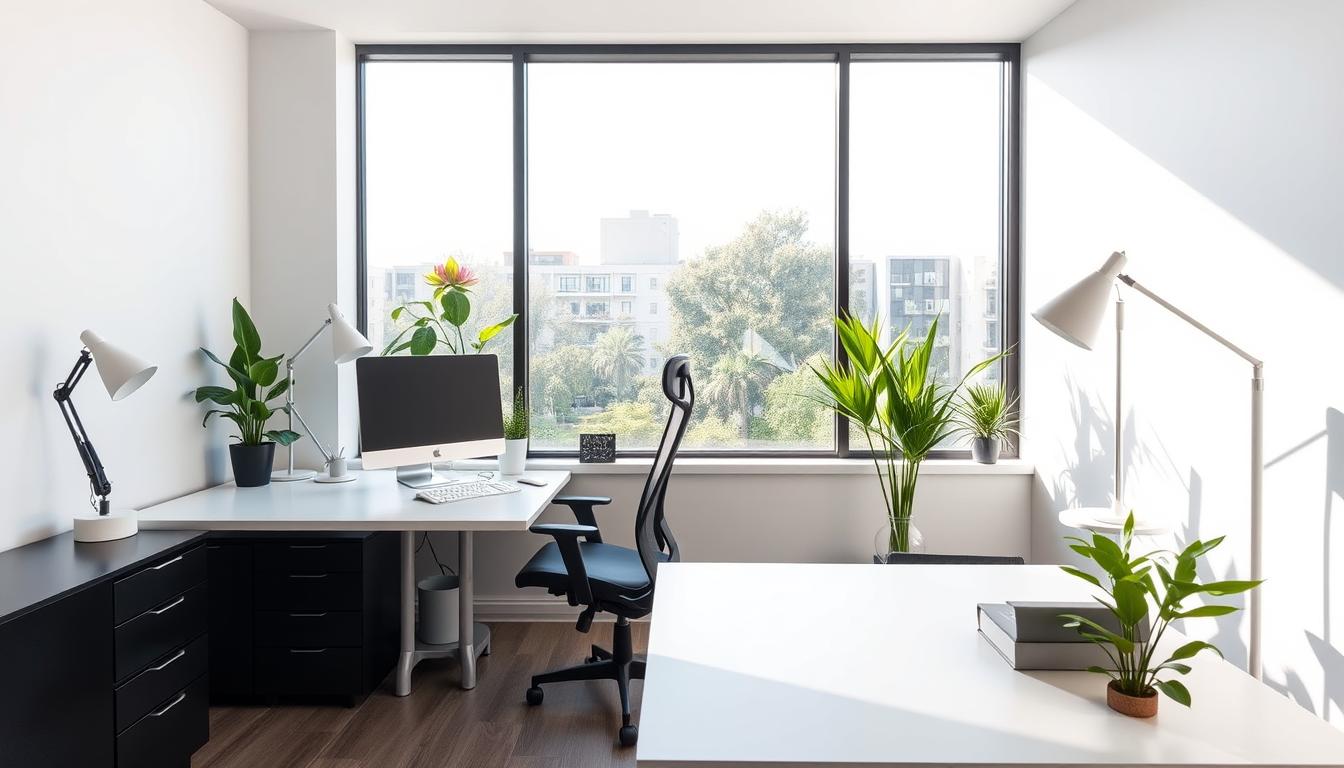
In today’s fast-paced world, optimizing your workspace is crucial for boosting productivity and fostering a successful office environment. Even slight adjustments to your workspace layout can significantly enhance your mental focus and uplift employee morale. Studies reveal that an optimally arranged workspace can lead to better focus, increased creativity, and improved ability to switch tasks.
Research highlights the impact of various elements like lighting, noise levels, and music on your workspace. You’ll find practical tips to improve your office environment, backed by current research and expert advice. For more insights, check out this resource.
Key Takeaways
- Optimal workspace arrangement boosts creativity and focus.
- Bright lighting can enhance alertness during work hours.
- Environmental conditions significantly affect productivity levels.
- A clean, organized workspace leads to better efficiency and readiness.
- Personalized work environments can increase productivity by up to 32%.
- Minimizing distractions is key for high-quality output.
- Effective workspace design can reduce stress and enhance concentration.
The Importance of Workspace Optimization
Optimizing your workspace is key to boosting productivity and enhancing employee satisfaction. A well-organized office environment significantly impacts your focus and performance. By adopting effective workplace efficiency strategies, productivity becomes a shared goal. Research shows that about 40% of leaders use automation tools to improve workforce performance.
It’s vital to understand how your office resources are used. Analyzing workplace analytics helps identify resource needs and inform data-driven decisions. For example, conference rooms with video conferencing technology get booked five times more often than those without. This fact underscores the value of modern technology in office organization.
Future trends suggest that by 2027, 80% of millennials will prefer diverse work environments over traditional ones. This shift highlights the need for flexible workspace layouts that cater to different working styles. By supporting both remote and in-office workers, companies can strike an optimal balance, boosting productivity and employee engagement.
By focusing on workplace efficiency strategies, businesses can excel by fully utilizing their resources. This leads to better performance and happier employees. Adopting comprehensive office organization principles can turn any workplace into a hub of creativity and productivity.

Creating a Productive Office Culture
Building a robust company culture is crucial for a productive office environment. It’s about valuing open communication, ethics, and teamwork. When employees feel empowered, they’re more motivated. This approach boosts workplace efficiency and helps teams excel.
Office layouts, whether open or private, affect productivity differently. A thoughtful design that aligns with your company’s values can foster a culture of productivity.
Movement at work boosts focus and productivity. Breaks and physical activities refresh the mind. Adding plants to the office improves the environment and boosts productivity. In fact, 31% of people find their focus improves with plants around.
- Flexible workspaces accommodate diverse working styles.
- Maintaining a clean and organized workspace decreases distractions.
- Using project management apps ensures tasks are managed effectively.
Customizing office spaces creates a deeper emotional connection to work. This supports a productive office culture. Collaborating with employees to set achievable goals enhances productivity and satisfaction. A positive work environment, backed by strong values, leads to a cohesive and efficient workplace.
Efficient Workspace Layout Strategies
Creating the perfect workspace requires a deep understanding of your team’s dynamics and goals. An efficient workspace layout can transform your office into a productivity haven. Flexible office design accommodates various activities, surpassing traditional setups. Consider the six main types of layouts:
- Traditional
- Team-Based
- Open-Plan
- Activity-Based
- Co-Working
- Home Office
A well-structured layout enhances employee collaboration, encouraging communication and teamwork. For example, an open-plan office design fosters transparency and unity among colleagues. This setup can lead to a 15% increase in employee satisfaction, supporting the idea of using space management solutions to optimize your office.

Proper lighting is crucial in an efficient workspace layout. Research shows that sufficient task lighting can boost productivity by 20%. Moreover, ergonomic furniture is vital; companies investing in it see a 30% decrease in employee absenteeism due to health-related issues.
Integrating technology is another key factor. Businesses adopting digital collaboration tools experience a remarkable 35% increase in operational efficiency. This trend highlights the importance of selecting the right space management solutions tailored to your team’s needs, ultimately enhancing morale and productivity.
By focusing on these strategies, your office can evolve into a dynamic environment that promotes well-being and efficiency. This creates a robust foundation for success.
Movement: Encouraging a Dynamic Work Environment
Encouraging movement in the workplace can revolutionize how teams collaborate. By introducing flexible working options, you can see productivity enhancements across the board. Studies reveal that employee activity during workdays diminishes fatigue and elevates focus.
Creating diverse work zones within your office fosters a dynamic work environment. This might include informal meeting areas or open spaces for collaboration. Such an approach enhances job satisfaction and morale by meeting psychological needs.
Highlighting the role of movement in your office setup boosts employee engagement. Technologies like sit-stand desks and tailored workspaces significantly boost productivity. A Gartner report underscores how well-designed workspaces lead to better financial outcomes and improved team morale.
- Regular breaks for stretching and walking combat sedentary behavior.
- Open areas for team collaboration encourage active participation.
- Adjusting seating arrangements creates a more inclusive environment.
By integrating movement into daily routines, you’ll cultivate a lively workplace where dynamic work environments flourish.
Integrating Plants to Enhance Workplace Productivity
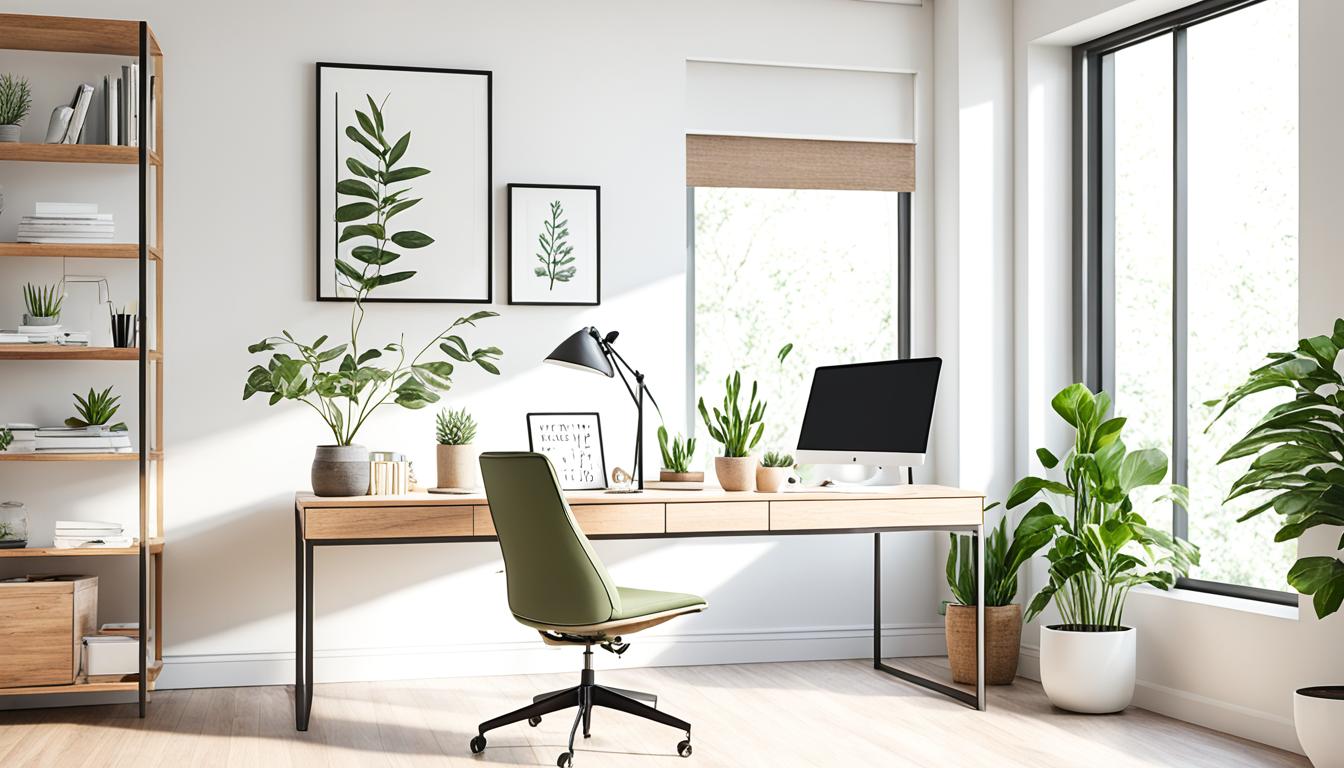
Adding office plants to your workspace is more than just a matter of looks. Research across nine organizations highlighted significant gains in employee health and productivity. With plants around, employees saw a 37% drop in anxiety and a boost in mood. This shows how greenery in the office can make the environment more lively, aiding focus and creativity.
But the perks go beyond making the office look good. Plants are known to better the air quality by cutting down CO2 and boosting humidity. This leads to fewer complaints about dry air and health issues, making employees happier. Those in plant-rich offices also take fewer sick days, which is good for the company’s performance.
- Enhanced creativity – Greenery inspires employees to think creatively.
- Increased focus – Plants help with concentration and reduce post-work recovery time.
- Better social climate – A plant-filled space encourages positive team interactions.
- Higher job satisfaction – Workers feel more content in visually appealing spaces.
Think about adding easy-to-care-for plants like rubber plants, snake plants, or peace lilies to your office. These plants not only add beauty but also offer health benefits for employees. By choosing office plants, you’re creating a welcoming space that boosts productivity and supports a healthier work environment.
Keeping Your Workspace Clean
A clean workspace is crucial for maintaining focus and boosting productivity. Research shows that 77% of Americans believe disorganization negatively impacts their productivity. Adopting a daily cleaning routine, including filing documents and sanitizing surfaces, can help. This approach prevents distractions and nurtures creativity.

Creating an organized office setup is key to managing clutter. The 1:7 rule advises keeping only one non-essential item for every seven essential items. This principle aids in deciding what to keep and what to discard. Investing in smart storage solutions, like used filing cabinets, is both cost-effective and beneficial for small to medium businesses. It ensures everything has a designated spot.
To improve your workspace, consider setting up a specific area for eating. This can drastically reduce desk mess. Removing meals from your workspace limits spills and crumbs, enhancing the overall cleanliness. A cleaning schedule helps ensure consistent upkeep. Offering rewards for the cleanest workspace, such as free breakfast, can motivate employees to keep their areas tidy.
Don’t overlook the digital side of your workspace. Organizing digital files, deleting unnecessary documents, and unsubscribing from unwanted emails keeps your virtual space organized. These actions significantly aid in creating an environment that supports productivity and professionalism.
Keeping Tech Gadgets Organized
Having a well-organized workspace boosts tech organization and cuts down on distractions in today’s tech-heavy offices. A cluttered space can lead to inefficiency and higher stress levels. By setting aside specific spots for tech tools, you make it easy to find gadgets like smartphones, tablets, and laptops without adding to the clutter.
Here are key strategies for effective office technology management:
- Desk Organizers: They help keep cables and devices neat, reducing distractions and helping you stay focused.
- Wireless Charging Pads: These allow you to charge multiple devices at once, helping to keep your workspace tidy.
- Noise-Canceling Headphones: Ideal for keeping your focus in noisy settings, they enhance productivity.
- Ergonomic Accessories: Add items to your workspace that support better posture, addressing health concerns.
- Monitor Stands and Mounts: Improve your screen setup to prevent eye strain and encourage good posture.
Integrating smart technology into your workspace is an investment in your productivity, saving time and boosting efficiency. Studies indicate that well-organized workspaces can significantly increase productivity, leading to better focus and performance. By optimizing your workspace, you set up an environment that helps you achieve your best work.
Workspace Optimization: Key Features to Consider
To create an environment that fosters high productivity, it’s crucial to focus on key workspace optimization features. Maximizing natural light and effectively managing temperature are pivotal. These elements can turn your workspace into a sanctuary of efficiency and comfort.
Understanding Natural Light’s Role in Productivity
Natural light is a cornerstone of natural light productivity. Research shows that it boosts mood, sharpens focus, and cuts down on eye strain. By adding large windows, skylights, or light tubes, you can significantly improve your work environment. This leads to increased energy and a surge in creativity in a well-lit setting.
Optimal Temperature and Airflow Management
Effective temperature management is vital for workspace optimization. A comfortable temperature ensures employees stay focused without the disruptions caused by extreme heat or cold. Advanced HVAC systems can regulate airflow and temperature precisely. This meticulous approach to comfort can significantly elevate productivity.
Decluttering Your Workspace for Focus
Regular decluttering your workspace is key to boosting your focus and productivity. A tidy office reduces distractions and clears your mind. Using effective methods keeps your space organized and supports creativity.
Psychologists point out the Progress Principle. It states that small wins motivate you. Seeing one area become organized can motivate you to declutter more. Here are some tips for decluttering effectively:
- 5S Methodology: Sort, Set in Order, Shine, Standardize, Sustain.
- Set boundaries for personal items to keep your workspace tidy.
- Go digital with notes and documents to cut down on clutter.
- Make a daily cleaning routine to keep things neat.
- Use digital tools like time tracking software to work more efficiently.
- Take a digital sabbath to disconnect and focus better.
- Follow the touch once policy for paperwork to simplify processes.
- Back up important data regularly to avoid losing it.
- Limit personal items in your workspace.
- Choose a minimalist layout to greatly reduce clutter.
A clutter-free workspace boosts your performance and lowers stress, helping you focus better. Keeping your space clean can increase motivation by up to 84%. A tidy office does more than just improve productivity; it also benefits your mental and emotional health, boosting creativity.
Make decluttering a regular habit to tackle challenges ahead. A well-organized workspace means quicker access to what you need and helps keep you calm, even when stressed. By adopting these decluttering tips, you’ll enhance your focus and maintain productivity over time.
Investing in Ergonomic Office Setups
Creating an ergonomic office setup is vital for the well-being and productivity of employees. By choosing the right furniture and accessories, you can greatly lower the risk of musculoskeletal injuries. This, in turn, improves the overall work experience.
Benefits of Standing Desks
Standing desks offer numerous health advantages that extend beyond just comfort. Many individuals who use standing desks at work notice:
- Reduced risk of weight gain and obesity
- Lower blood sugar levels
- Minimized back pain and discomfort
- Lower risks of heart disease and diabetes
These benefits of standing desks lead to a healthier lifestyle. They also boost productivity by keeping employees more energized and engaged at work.
Proper Chair Support and Comfort
An ergonomic office chair is essential for reducing discomfort during extended work hours. Key features to seek in an office chair include:
- Adequate padding
- Lumbar support to maintain spinal alignment
- Adjustable height to accommodate different body sizes
Proper office chair support reduces fatigue and aids in maintaining focus. This allows for better concentration on tasks. Remember, investing in a quality chair is an investment in your health and productivity.
Personalizing Your Space for Motivation
Personalizing your workspace builds emotional connections and boosts motivation in the office. A study found that 87% of professionals with customized workspaces saw better motivation and productivity. This shows a clear link between workspace personalization and increased productivity, proving that small changes can make a big impact.
To create an inspiring work environment, display items that mean something to you. This could be motivational quotes, photos, or your favorite books. It’s important to keep things balanced; too many items can cause clutter and distract you. However, a few carefully chosen items can significantly improve your workspace.
Personalized workspace designs are becoming more popular, with a 30% increase in their use. Workers who decorate their areas tend to feel more content, with 67% showing higher employee engagement. Adding plants is a simple way to reduce stress—78% of people with plants in their workspace feel less stressed.
Your workspace should mirror your personality. This approach not only makes you more comfortable but also aligns your work with your personal values. Before making changes, it’s wise to talk to managers or check your employee handbook to know what’s allowed in shared areas. Upgrading to ergonomic furniture can also support your efforts, making your workspace healthier and more motivating.
Conclusion
Effective workspace optimization is crucial for boosting productivity and enhancing employee satisfaction. Thoughtful office design, including ergonomic furniture, optimized lighting, and organization, creates an environment that reduces distractions and increases work efficiency. Studies indicate that such strategies can lead to a 25% productivity boost, underscoring the importance of a well-designed office layout on employee performance.
Integrating standing desks and personalizing workspaces can enhance motivation and create a positive work atmosphere. Additionally, maintaining a clean and well-ventilated workspace combats fatigue and improves cognitive function. These strategies form a comprehensive approach to workplace well-being, benefiting both employees and businesses.
Optimizing the workspace goes beyond mere aesthetics; it’s about fostering an environment that supports dynamic work habits and overall efficiency. By investing in the right tools, practices, and designs, your office can remain a center of creativity and productivity for the long term.