Tools
Tools
Last Updated on December 9, 2025
The circular economy is revolutionizing the business world, urging you to embrace sustainable practices. These practices not only fulfill consumer needs but also tackle pressing environmental issues. As you explore this new territory, think about how eco-friendly solutions can transform your operations and boost value creation.
By shifting from traditional linear models, businesses are adopting new frameworks. These frameworks aim to cut down waste and make the most of resources. This shift not only lessens environmental harm but also puts you at the forefront of industry evolution. Born-circular companies lead through efficiency and sustainability.
With forecasts suggesting the circular economy could be the norm by the 2030s, it’s crucial to dive into these changes. They offer new opportunities for growth and innovation.
Key Takeaways
- Companies embedding circular practices from inception gain a competitive edge.
- Product designs with modular components boost longevity and reduce waste.
- Fashion brands using recycled materials attract eco-conscious consumers.
- Digital technologies are vital for tracking materials in circular models.
- Transitioning to circular business models can lead to reduced costs and increased efficiency.
Understanding the Circular Economy
The Circular Economy offers a groundbreaking approach to managing resources, moving beyond the outdated “take-make-waste” model. It focuses on eliminating waste and pollution, promoting the continuous flow of products and materials. By embracing circular economy principles, you contribute significantly to sustainable business practices, benefiting both your company and the environment.
In the manufacturing sector, many firms are shifting towards circular models. They aim to create supply chains that recover or recycle resources, significantly reducing their environmental impact. This shift is particularly appealing to CEOs seeking efficiency and lower operational waste. By aligning your strategy with your company’s capabilities and resources, you can boost operational effectiveness while positively impacting the environment.
There are three key strategies for establishing a circular business model: retaining product ownership, extending product life, and designing for recycling. These strategies require careful consideration of factors like the accessibility of used products and the simplicity of recycling processes. It’s crucial to understand the potential value in products and the recovery possibilities from chosen pathways for effective implementation.
Adopting a circular economy offers substantial cost savings, with estimates suggesting USD 700 billion across various sectors. It also creates new job opportunities in repairing, refurbishing, and recycling. This model not only tackles environmental challenges, like the massive amount of waste globally, but also supports sustainable business practices. It aligns with the urgent need for eco-conscious strategies.
Key Principles of Circular Economy
The circular economy is a groundbreaking approach to managing resources, aiming to promote sustainable practices in environmentally conscious business operations. It focuses on three essential principles to grasp its full potential:
- Designing out waste: This principle highlights the need to consider a product’s entire lifecycle. By reducing natural resource use and avoiding waste from the start, businesses can greatly lessen their environmental impact.
- Keeping products and materials in use: Many companies gain from systems that encourage repair, reuse, and recycling. By keeping materials in circulation for as long as possible, businesses maximize resource value and support a more durable economy.
- Regenerating natural systems: Restoring and improving ecosystems is crucial for a balanced environment. This principle urges organizations to engage in the regeneration of natural resources. This leads to healthier ecosystems and preserves biodiversity.
Adopting these circular economy principles in your business strategy not only supports a sustainable future but also boosts operational efficiency. Companies can tackle significant global issues like climate change, biodiversity loss, and pollution. This promotes a robust economy while ensuring social equity.
Circular Economy Business Models
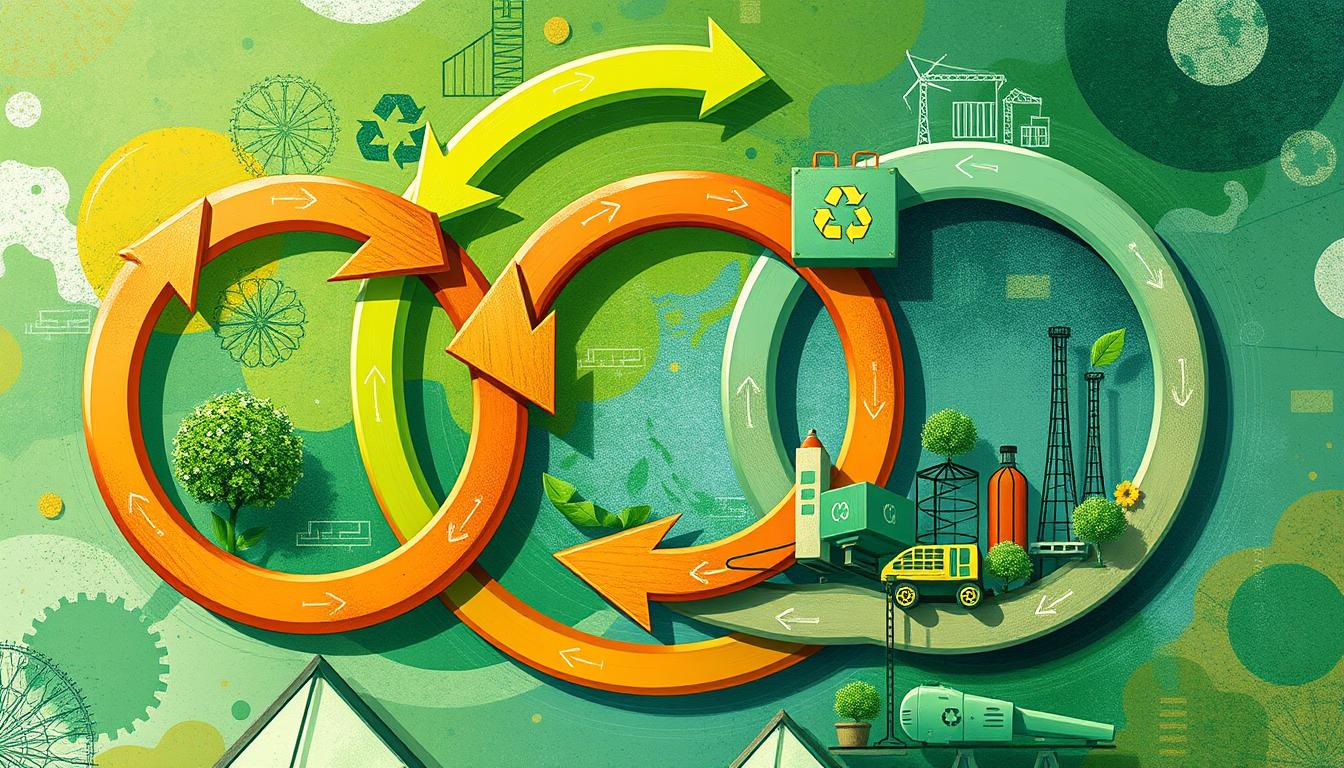
Circular economy business models offer a fresh perspective, challenging traditional ownership ideas and pushing for sustainability. They aim to keep products and materials in continuous use, fostering a dynamic exchange between suppliers and customers. This approach contributes to a greener economy and reduces environmental harm.
Product-as-a-Service (PaaS)
The Product-as-a-Service model lets you use products without owning them, focusing on use rather than possession. It promotes longevity and reuse, encouraging a sustainable lifestyle among consumers. By embracing PaaS, companies not only create sustainable income but also improve customer engagement through eco-friendly strategies.
Sharing Platforms
Sharing platforms exemplify circular economy models that encourage shared resource use. They allow you to share tools, vehicles, or even workspace, greatly reducing waste. This cooperative method extends product life, supporting a circular economy and responsible resource use.
Recovery and Recycling Initiatives
Recovery and recycling efforts play a crucial role in waste management within circular economy models. They are key to repurposing materials and advancing sustainability. By investing in these initiatives, businesses can reduce their environmental impact, solidifying their eco-friendly commitment and creating value from waste.
Benefits of Adopting Circular Economy Practices
Adopting circular economy practices offers numerous benefits for businesses, especially in cost savings and brand reputation. By rethinking traditional methods, companies can unlock significant value. This value extends beyond financial gains to sustainability and consumer appeal.
Cost Savings and Efficiency
Implementing circular economy practices streamlines operations and eliminates inefficiencies. Key strategies include:
- Reducing waste and minimizing expenses tied to raw material procurement.
- Leveraging recycling programs and reselling equipment to second-hand markets, which generates additional revenue streams.
- Utilizing effective waste management strategies that lower disposal and landfill fees.
- Reusing and recycling resources to diminish the need for continuous new material purchases, thereby improving resource efficiency.
Research indicates these practices can lead to substantial cost savings. This allows businesses to focus on long-term sustainability rather than short-term profits. Notably, 70% of the top supply chain companies are already integrating circular economy principles into their designs and innovations.
Enhanced Brand Reputation
Adopting circular practices not only fosters efficiency but also boosts your brand’s reputation. Consumers are increasingly drawn to companies that prioritize sustainability. For instance, brands like IKEA buy back used furniture for refurbishing, while Nike is refurbishing customer-returned sneakers for resale. These initiatives resonate with environmentally conscious consumers, enhancing their loyalty to your brand.
As more customers become aware of the impact of their purchases, positions within the marketplace shift. Businesses that focus on circular economy initiatives establish themselves as leaders in sustainability. This attracts a broader audience and stakeholder interest. You can learn more about how businesses can profit from these practices by visiting this resource.

The Role of Entrepreneurs in the Circular Economy
Entrepreneurs are key players in the circular economy, driving innovation towards sustainable practices. They challenge traditional models, offering products and services that cut down on waste. This shift not only helps the environment but also boosts economic growth and job creation.
Entrepreneurs take risks, exploring new ventures and partnering with established companies. They focus on energy and resource efficiency. Their success shows the potential for change in various sectors.
Collaboration among stakeholders is vital for advancing circular economy goals. Entrepreneurs team up with public and private sectors, leveraging investments and support. Public backing is crucial, allowing innovators to take risks in a supportive environment.
Mindset change is essential for entrepreneurship in sustainability. Education and incentives boost understanding and participation. Platforms for knowledge exchange and capacity-building help entrepreneurs develop and implement their ideas.
The role of humane entrepreneurship is significant. Entrepreneurs aim for economic success and social development, shaping a sustainable future. Your involvement in the circular economy can contribute to lasting positive change.
For more insights into business model transformation and trends, explore subscription business trends.
Challenges Facing Circular Economy Initiatives
The shift towards a circular economy is met with numerous obstacles. Overcoming these hurdles is essential for advancing sustainable practices and innovation. Key challenges include mobilizing investment and overcoming regulatory barriers, which hinder the launch of crucial initiatives.
Investment and Capital Mobilization
Obtaining funds for circular economy projects is a significant hurdle. Companies need substantial investment to innovate and grow. It’s crucial to engage both private investors and public funds, as they often shy away due to perceived risks.
Offering tax incentives for sustainable achievements can boost investment. This approach highlights the long-term advantages of circular economy practices.
Regulatory and Policy Barriers
Existing policies often clash with circular economy principles, limiting innovation. In Austria, over 60% of stakeholders seek more information on circular practices. This underscores the need for a supportive policy environment.
Collaboration between businesses, policymakers, and educational institutions is key. Together, they can advocate for policy changes that support the transition to a circular economy.
Transformative Impact of the Circular Economy on Industries
The circular economy is revolutionizing traditional industries by promoting innovative and sustainable practices. This shift changes how businesses operate, allowing them to boost profits while reducing environmental harm. In sectors like fashion, tech, and manufacturing, adopting circular economy models is crucial for staying competitive. Companies embracing sustainability gain social responsibility, drawing in eco-conscious consumers.
Implementing circular strategies can lead to significant cost savings. For example, circular systems in manufacturing could save up to USD 700 billion annually. This approach promotes waste prevention, eco-design, and reuse. Companies can save around 665 billion USD yearly and cut greenhouse gas emissions by 2-4%.
Moreover, the need for environmental transparency is compelling companies to change. Manufacturers must track their inputs and operations in the circular economy. This scrutiny boosts operational efficiency and encourages the use of renewable and reusable inputs. Digital transformation tools can also enhance supply chains, improving quality and reducing waste.
Stakeholders benefit from the shift in their industries, as engaging with circular economy principles can lead to profit gains. Identifying waste outputs can help manage greenhouse gas emissions, benefiting the planet. Companies pursuing circular economy strategies are well-positioned for long-term success in a changing world.
Sustainable Supply Chain Management and Circularity
Sustainable supply chain management is crucial for achieving circularity in your business. By focusing on the entire life cycle of your products and resources, you can boost transparency and cut down on waste. Eco-friendly solutions, like using renewable materials and optimizing logistics, help make your supply chain more resilient. This fosters collaboration among all stakeholders involved.
Circular supply chains thrive on distributed networks that involve partnerships with suppliers, customers, and peers. This setup allows valuable data to flow freely among partners, offering insights into material composition and disassembly. By keeping products and materials in use, you support a sustainable economy and ensure their safe return to nature.
In today’s market, where consumers seek transparency and sustainability, circular supply chains offer significant advantages. They not only improve material security and reduce environmental impacts but also attract investor interest in sustainable practices. As a leader, you can drive this transition, integrating circular economy principles that lead to cost savings and increased resource efficiency.