Tools
Tools
Last Updated on December 9, 2025
In today’s fast-paced work environment, maintaining an organized workspace is crucial for enhancing focus and overall productivity. Research indicates that clutter can lead to anxiety, hinder your ability to concentrate, and increase workplace stress. When you adopt effective decluttering tips, you create a serene atmosphere that promotes mental clarity and better performance. Renowned experts, such as Marie Kondo, advocate for the transformational impact of a tidy workspace on creativity and productivity. By embracing workplace organization, you unlock your full potential, allowing you to thrive in your professional responsibilities.
Key Takeaways
- Clutter can increase anxiety and hinder focus.
- An organized workspace improves efficiency and productivity.
- Establishing a decluttering routine prevents clutter build-up.
- A tidy desk enhances task prioritization and performance.
- Decluttering daily cultivates better organizational habits.
The Importance of an Organized Workspace
An organized workspace is crucial for your mental health and productivity. Clutter can cause anxiety by distracting you and showing chaos. It’s vital to understand how your environment affects your mental state for a better workday.
Understanding the Link Between Clutter and Anxiety
A cluttered space can make you less productive, wasting time searching for lost items. A messy desk can lead to frustration and increase stress, making it hard to stay focused. A clean environment can help reduce anxiety and improve your work experience.
How a Tidy Space Enhances Mental Clarity
A clean workspace boosts your mental clarity. Organizing your materials improves focus and efficiency. Alphabetizing or categorizing documents helps you find information fast, reducing distractions. Keeping your space clean promotes a healthy work environment, better concentration, and less stress.

Decluttering Productivity
Physical clutter can severely hinder your focus, making it hard to stay organized and efficient. The overwhelming presence of disarray often leads to stress and anxiety. A clutter-free workspace is crucial for boosting your productivity, allowing you to focus on tasks more easily.
Impact of Physical Clutter on Focus
A cluttered workspace can disrupt your daily routine. Research by Deacon Joseph Ferrari, Ph.D., shows that too many belongings can make a space less livable, increasing stress and anxiety. Remote workers are especially affected, experiencing indecision, procrastination, and lower job performance due to clutter. The average person wastes about 4.3 hours weekly searching for items in a cluttered desk, a significant time loss.
Studies Demonstrating the Benefits of a Clutter-Free Environment
Studies show the advantages of a clutter-free environment. Those who donated unwanted items reported better well-being and happiness, similar to a $36,000 salary increase. This emotional boost highlights the positive effects of decluttering. Moreover, organizations recognize paper clutter as a major productivity issue, emphasizing the need for organization. Clearing your workspace of unnecessary items leads to a more focused approach, significantly improving your performance.
Practical Decluttering Tips to Maximize Focus
Practical decluttering tips can greatly improve your focus and productivity. To start, it’s crucial to sort through your belongings. This initial step helps you decide what to keep and what to discard. It’s about distinguishing between essential items and clutter, making your workspace more functional.
Sorting: The First Step in Effective Decluttering
Sorting involves categorizing items into distinct groups. This approach clarifies the decision-making process. Here are some practical tips for decluttering:
- Divide items into categories: Group similar items together for easy review.
- Create a ‘keep,’ ‘donate,’ and ‘discard’ pile: This simple strategy helps reduce clutter efficiently.
- Set a timer: Allocate a specific time to focus on sorting, making the task less overwhelming.
How to Systematize Files and Papers
Organizing files systematically is essential for effective decluttering. Designating specific places for documents improves your workflow. Consider these organization strategies:
- Utilize labeled folders: Clearly label each folder for easy retrieval.
- Implement a regular filing schedule: Set aside time weekly or monthly to organize new documents, maintaining an orderly filing system.
- Consider digital options: Scan important documents and save them digitally to reduce paper clutter.

Effective Organization Strategies for Your Workspace
Effective organization strategies are crucial for boosting productivity in your workspace. A well-organized environment helps you stay focused and avoid distractions caused by clutter. By assigning a specific spot for each item, you simplify your daily tasks and improve task management efficiency.
Creating a Designated Space for Every Item
It’s vital to have a specific spot for each item in your workspace. This approach saves time by reducing the search for essential tools or documents. It also reduces stress and promotes a more focused work mindset. Use labeled storage like shelves, drawers, or bins to keep things organized. Grouping similar items together makes your workspace look neat and ensures easy access to what you need.
Utilizing Bins and Containers for Easy Access
Using bins and containers helps keep your workspace tidy and makes supplies easily accessible. Choose high-quality storage that fits your needs, whether it’s clear bins for visibility or decorative boxes that match your decor. These solutions can store frequently used items and small tools, preventing clutter. Easy access to what you need increases your productivity and satisfaction with daily tasks.

The Psychological Benefits of Decluttering
Decluttering your workspace offers more than just tidiness. It creates an environment that reduces stress, making your space more serene and productive. A well-organized area cuts down on distractions, helping you concentrate better and work more efficiently.
Reducing Stress Through Organization
Studies show that disorganization can lead to mental health problems like anxiety and stress. Keeping your workspace organized helps reduce these feelings. A clean area gives you a sense of control and stability, making you feel more at peace during a hectic day.
By clearing out clutter, you also reduce feelings of frustration and helplessness. This leads to higher self-worth and better emotional health.
Enhancing Creativity and Productivity with a Clean Workspace
A tidy workspace is a blank slate for creativity. It removes distractions, allowing your mind to roam freely and think innovatively. Research indicates that those in clutter-free environments experience less irritation and better information processing.
With less mental strain, your brain can fully engage in idea generation and problem-solving. This results in increased productivity and a better mood.

Time Management Techniques for a Decluttered Office
Keeping your office tidy is crucial for boosting productivity and focus. Effective time management is key to maintaining an organized workspace. By adopting daily organization routines, you streamline your work and create a space for creativity and efficiency.
Incorporating Daily Organization Routines
Creating daily routines is essential for a clean office. Spend a few minutes each day organizing your desk and files. This habit prevents clutter buildup and keeps important documents accessible. By regularly evaluating what you need, you ensure your office remains decluttered and functional.
Studies show that 87% of people see better time management with improved organization. Simple steps like using labeled folders and digital storage can help. For more tips, explore this guide on home office productivity.
Setting Aside Time for Weekly Cleanups
Weekly cleanups are also crucial. Regular decluttering sessions prevent clutter from taking over. Knowing that 80% of workers in cluttered offices waste time searching for documents highlights the importance of organization. Allocate at least an hour weekly to sort papers and reorganize items.
This regular effort keeps your office productive and welcoming. A structured plan for managing your space enhances your time management skills.

Maintaining a Clutter-Free Environment
Creating a clutter-free space demands more than just a one-time effort. It requires consistent habits and strategies that support ongoing organization. Developing routines that emphasize cleanliness is crucial, both for individuals and teams. Regularly reviewing your decluttering goals helps solidify your commitment to a productive workspace.
Developing Habits for Ongoing Organization
To maintain organization, adopting effective habits is essential. Here are some strategies for keeping your environment clutter-free:
- Adopt a minimalist approach: Focus on the essentials to manage your workspace effectively.
- Create a filing system: Organize documents by category to simplify access and reduce frustration.
- Schedule regular cleanups: Allocate time weekly to maintain your workspace’s order, preventing clutter buildup.
- Perform quick daily checks: Spend a few minutes each day tidying up your desk.
How Team Practices Can Contribute to a Tidy Workspace
Team organization practices are crucial for a clutter-free environment. Collective commitment to cleanliness reduces individual pressure. Here are some effective team practices:
- Encourage open communication: Discuss cleanliness expectations and best practices in team meetings to promote accountability.
- Set shared decluttering goals: Work together on large cleanout days to boost morale and workspace quality.
- Implement a five-zone organizing system: Categorize shared items by usage frequency for better accessibility and efficiency.
- Share organizing tips: Exchange ideas on individual and team organization strategies to keep everyone engaged.

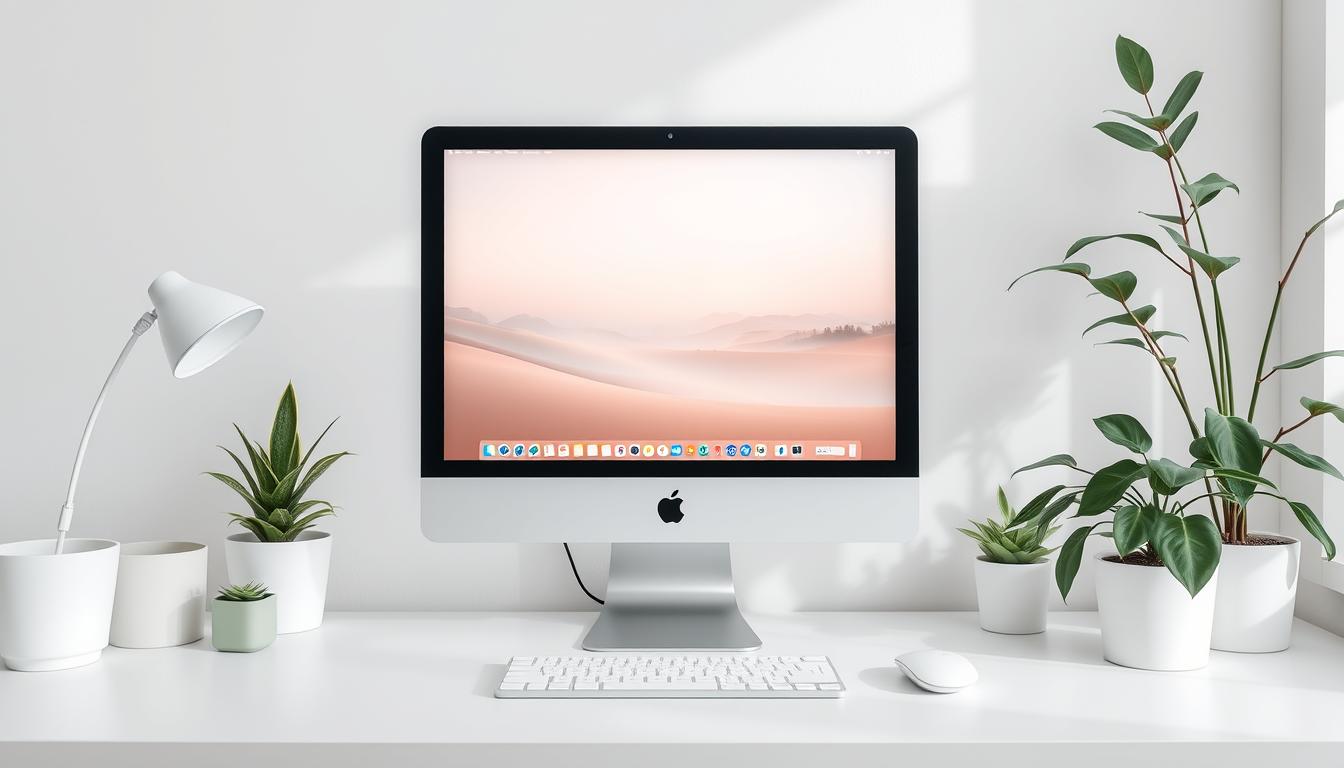
Transforming Digital Spaces: Decluttering Your Computer
In today’s fast-paced digital world, digital clutter can pile up quickly. It can make your digital space seem messier than your physical one for about 1 in 3 people. A disorganized digital environment can slow you down, increase anxiety, and even pose security risks. So, it’s crucial to adopt effective strategies for digital decluttering to streamline your workflow and boost productivity.
Organizing Digital Files for Greater Efficiency
Organizing digital files is a transformative step. Consider using cloud storage services like Dropbox, iCloud, or OneDrive to clear up space on your devices. Regularly deleting unnecessary files and setting up a clear labeling system can help manage your content well. This makes finding important documents easy, improving focus and productivity in your tasks.
Remember, setting aside a few minutes each week to tidy up your files can prevent digital hoarding and the stress it brings.
The Importance of Email Management
Email management is also key to a tidy digital workspace. U.S. workers often spend over 5 hours a day checking emails. To boost your efficiency, think about unsubscribing from unwanted newsletters and organizing your inbox into folders. A consistent email organization routine can help you avoid feeling overwhelmed by your inbox.
Effective email management not only saves time but also keeps you focused. It lets you dive deeper into your important tasks. For more tips on managing your time, explore time-blocking techniques to improve your organizational skills.