Tools
Tools
Last Updated on December 9, 2025
In today’s fast-paced digital realm, the struggle to remain productive is intensified by an unrelenting barrage of information and distractions. This phenomenon, known as digital overload, can significantly hinder your ability to focus and maintain productivity. As billions of dollars are lost in the economy due to reduced productivity and engagement stemming from information overload, understanding effective strategies for managing digital overload is paramount.
By recognizing the nuances of digital engagement and actively implementing productivity tips, you can improve focus and productivity in your personal and professional life. It’s essential to comprehend both the emotional and cognitive toll of excessive digital distractions on your well-being. For insights into cultivating a focused digital environment, you can explore effective techniques for deep work. This approach supports your journey towards enhanced productivity in a world that seems to demand your attention at every turn.
Key Takeaways
- Digital overload can lead to significant losses in productivity and engagement.
- Multitasking may reduce productivity by up to 40%.
- Setting boundaries, such as not checking emails after 6 p.m., can help your brain recharge.
- Designating tech-free times encourages focus on life beyond the digital realm.
- Implementing mindfulness practices can alleviate the stress of constant connectivity.
- Creating a digital detox day can enhance clarity and reduce overwhelm.
- Streamlining communication channels fosters better engagement and response times.
Understanding Digital Overload
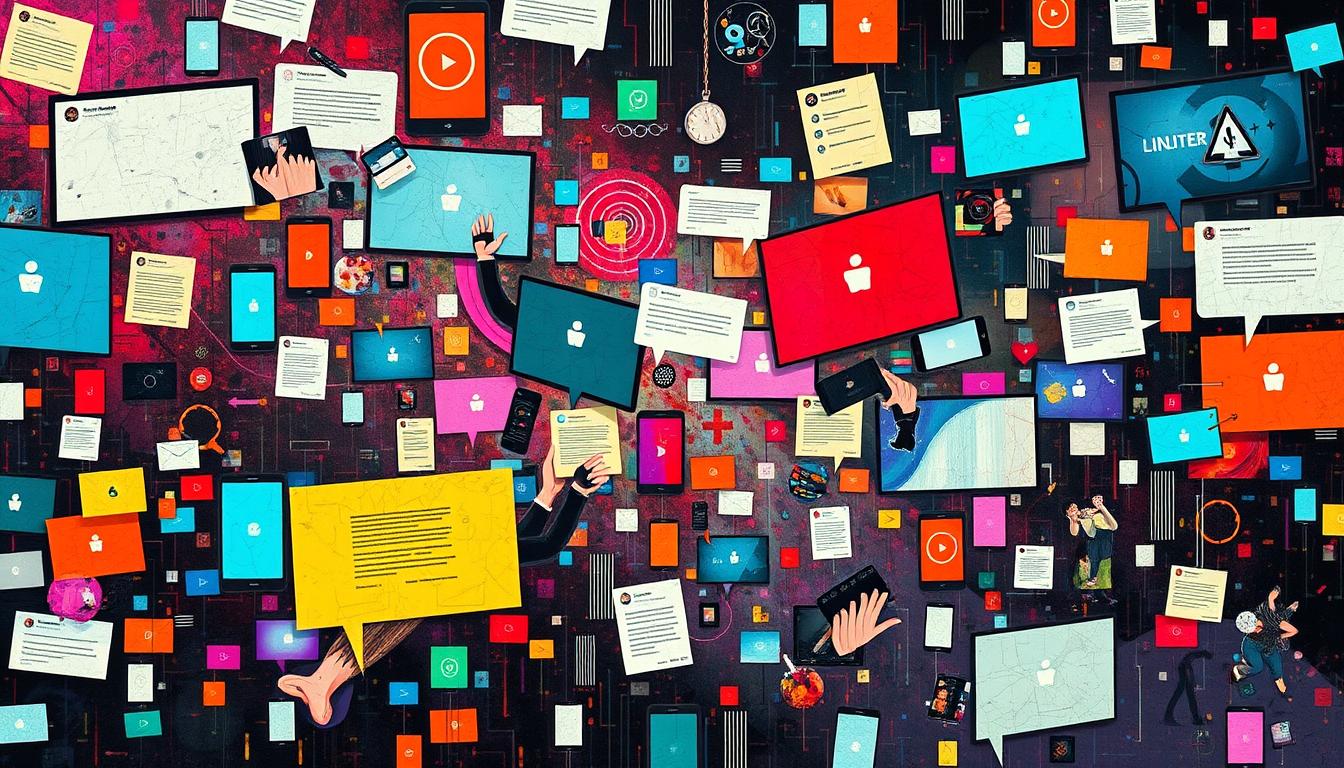
In today’s fast-paced world, grasping the concept of digital overload is crucial. It happens when the sheer volume of information surpasses our capacity to process it efficiently. This issue arises from various sources, such as emails, social media alerts, and instant messages. As data volumes grow, so does the difficulty in staying focused and productive.
Definition of Digital Overload
Digital overload can cause significant stress and impede effective decision-making. Studies show that the overwhelming influx of information impacts not just individual performance but also job satisfaction. For example, 22.5% of a representative sample identified information overload as a major stressor at work. Continuous interruptions due to information overload can lower the quality of decisions made.
The pressure from digital overload can also lead to technostress, a condition caused by excessive technology use. Symptoms include burnout and health issues, highlighting the need for effective digital management strategies. By understanding digital overload, you can regain your focus and productivity in this hyper-connected world.
Identifying the Causes of Information Overload
In today’s fast-paced digital world, understanding the causes of information overload is crucial for maintaining productivity. Various factors contribute to this phenomenon, significantly impacting individuals’ efficiency and focus. Recognizing these causes is the first step toward mitigating their effects.
Common Triggers of Digital Overwhelm
Several common triggers fuel information overload:
- The sheer volume of accessible data through multiple platforms
- Constant connectivity to devices that leads to never-ending notifications
- The pervasive 24/7 news cycle, delivering updates that often lack relevance
Many individuals struggle with identifying digital distractions amidst this chaos. This challenge results in difficulty sifting through essential information and trivial updates, leading to cognitive fatigue. In fact, a survey revealed that up to 85% of managers in Europe report feeling overwhelmed by the data influx from emails, reports, and phone calls.
Another notable issue lies in decision-making. When experiencing information overload, tasks requiring sustained attention often remain unresolved during the week due to constant interruptions. This reality points to broader digital engagement challenges, as people find it increasingly difficult to focus on significant tasks without being sidetracked.

Digital Overload Productivity: The Impact on Personal and Professional Life
Digital overload affects more than just your attention span. It reshapes your personal and professional life in profound ways. Every day, you face a tidal wave of notifications, emails, and data. This leads to scattered focus and reduced productivity. It’s essential to grasp the full impact of information overload to tackle these issues head-on.
Consequences of Information Overload
When distractions dominate, your digital productivity plummets. Studies show that being overwhelmed can impair focus and decision-making. This severely impacts your engagement and mental well-being. The effects on your personal and professional life are far-reaching:
- Increased Stress Levels: Constant connectivity breeds anxiety, making it hard to relax.
- Burnout Risks: The ‘always-on’ culture can exhaust you, blurring work and personal life boundaries.
- Decreased Productivity: Frequent interruptions can slash efficiency by up to 40%, as regaining focus takes time.
- Relationship Strain: Spending time on digital tasks often sacrifices personal connections.
The consequences of digital overload can significantly harm businesses. By focusing on these areas, you can boost your productivity and achieve a better work-life balance. To improve your well-being, explore effective strategies for managing your digital space.
Establishing Boundaries for Digital Use
To combat digital overload, setting firm boundaries for digital use is key. This approach not only manages digital overload but also boosts productivity and job satisfaction. It’s crucial to adopt specific strategies that promote a healthier tech relationship.
Creating Effective Limitations
Setting limits on technology is about creating an environment that fosters focus and efficiency. It minimizes interruptions. Here are some effective techniques:
- Designate technology-free times: Implement periods during meals or family gatherings where devices are not allowed.
- Utilize the “Do Not Disturb” feature: During focus hours, limit notifications to maintain concentration.
- Schedule specific time slots: Allocate dedicated time for emails and other digital tasks to reduce distractions.
- Communicate boundaries: Let others know when you are unavailable, establishing realistic expectations.
- Track digital well-being: Use digital wellbeing apps to monitor and manage app usage effectively.
Recognizing the importance of setting limits on technology is vital. It helps mitigate distractions that hinder productivity. The constant need to be connected contributes to a culture of being “always-on.” This affects your creativity and overall well-being. By setting these boundaries, you regain control over your digital environment.
Strategies for Reducing Digital Overwhelm
In today’s fast-paced digital world, finding ways to manage digital overwhelm is crucial. It can greatly boost your productivity. Techniques like improving focus and concentration help you deal with the constant flow of information.
Effective Techniques for Focus
Try the Pomodoro Technique, which involves focused work sessions followed by short breaks. This approach keeps you on track, helping you manage your time better. Prioritizing single-tasking over multitasking is also key. It enhances your cognitive abilities and reduces overwhelm.
To limit distractions, consider:
- Setting specific times for checking emails or social media.
- Creating technology-free zones for uninterrupted work.
- Using “Do Not Disturb” features on devices to block interruptions.
Reviewing your digital tools and streamlining communication can reduce disruptions. This allows for better focus on critical tasks. A clear strategy for managing notifications also helps prevent digital burnout.

Embracing Digital Detox Techniques
In today’s fast-paced, hyper-connected world, adopting digital detox techniques is crucial. The constant flow of information and notifications can overwhelm us. Taking breaks from screens can help restore balance and improve our well-being. Start by setting aside specific days or weekends to disconnect from digital devices.
Importance of Unplugging
Regularly unplugging helps manage distractions and regain focus. During detox periods, engage in activities that nurture your mental health. Try spending time in nature, reading physical books, or practicing mindfulness. The benefits of digital detox are significant. These breaks can improve mental clarity, reduce stress, and enhance sleep quality.
Studies indicate that designating tech-free zones, like during meals, can increase meaningful conversations by up to 30%. Regular digital sabbaticals also lead to a 25% boost in mental well-being. By reducing digital device usage, you make space for creativity and productive thinking to thrive.
To integrate digital detox techniques into your life, consider the following:
- Establish tech-free times, such as during dinners or before bedtime.
- Replace screen time with offline hobbies like reading or exercising.
- Use apps to monitor and limit your daily usage of digital devices.
- Engage in nature walks to reconnect with the physical world.
By actively managing distractions and adopting digital detox techniques, you can enhance productivity and foster a healthier relationship with technology. The essence lies in recognizing when to unplug and giving yourself time to recharge.
Utilizing Digital Productivity Tools Effectively
Choosing the right digital productivity tools is key to managing tasks in today’s fast-paced world. Tools like Microsoft Outlook, OneNote, and Teams boost productivity and streamline workflows. It’s important to pick tools that meet your specific needs to work more efficiently.
Choosing the Right Tools
When selecting productivity tools, consider these factors:
- Task Management: Use platforms like Microsoft To Do for clear organization and deadline tracking. It helps manage work and personal tasks effectively.
- Time Tracking: Find apps that track time accurately. This is crucial for boosting productivity.
- Collaboration: Choose tools for real-time document editing and communication. They help teams work together, no matter where they are.
- Automation: Select tools that automate processes. This saves time and lets you focus on important tasks.
- Ease of Use: Pick tools with simple, accessible interfaces. This ensures easy adoption by you and your team.
- Security and Privacy: Make sure tools offer strong security to protect your data.
Be cautious of shiny object syndrome. Constantly switching tools can hinder your workflow and cause frustration. Knowing your productivity challenges helps choose tools that truly improve your work, not just add to the noise. By integrating the right tools into your workflow, you can change how you tackle tasks and enhance your performance.
Improving Focus and Productivity Through Mindfulness
In today’s world, where digital distractions are rampant, mindfulness offers a way to regain focus and boost productivity. By making mindfulness a part of your daily life, you can achieve a heightened state of awareness. This state not only sharpens your mental clarity but also helps reduce stress caused by too much information.
Mindfulness Techniques
There are many mindfulness techniques you can add to your routine. These practices can greatly benefit you, especially in managing distractions that cut into your productivity:
- Mindful Breathing: Mindful breathing exercises help keep your focus on the present, bringing immediate calm and clarity.
- Mindful Eating: Mindful eating during meals encourages healthier eating by allowing you to enjoy textures and flavors. It aids digestion and prevents overeating.
- Mindful Movement: Adding mindful movement to your routine improves physical performance and body awareness. It reduces stress and boosts energy.
- Daily Meditation: Regular mindfulness meditation enhances focus, increases brain density, and strengthens cognitive abilities.
Integrating these mindfulness practices into your workday can significantly improve focus, productivity, and job satisfaction. Given that our attention span is now shorter than a goldfish’s, it’s essential to find ways to enhance our concentration.

Mindfulness not only sharpens mental clarity but also aids in stress management. Studies show that mindfulness can lower blood pressure, boost immune function, and reduce stress hormone levels. With consistent practice, you’ll see a significant improvement in your ability to handle tasks more efficiently.
Effective Communication in a Hyper-Connected World
In today’s digital world, mastering effective communication is crucial. Many struggle with the constant flow of messages and notifications. With XX% of people finding it hard to balance tech use with personal life, managing digital communication is a big challenge. By adopting structured communication strategies, we can turn these challenges into opportunities for better clarity and productivity.
Streamlining Communication Channels
To cut through the chaos, streamline your communication channels. Reducing the number of platforms used can greatly reduce distractions. Focus on a few key tools that meet your team’s needs. Setting clear expectations for response times and preferred communication methods can improve team dynamics and keep everyone engaged.
- Establish regular check-ins to facilitate open dialogue regarding project updates or challenges.
- Promote the use of visual platforms to share ideas and feedback more clearly, as misinterpretations of tone can occur with text-based communication.
- Encourage brief and relevant exchanges, which will help in fostering a purposeful atmosphere during interactions.
By managing digital communication with intention, we can create a more connected workforce. Optimized communication channels lead to better collaboration, boosting job satisfaction. This results in a noticeable increase in productivity across the board.
Periodic Review and Adaptation of Digital Strategies
In today’s fast-paced digital environment, a periodic review of your strategies is crucial. Regular reviews keep you current and relevant, helping manage digital overload. This process allows you to evaluate what’s working and what needs tweaking. As you refine your methods, you’ll uncover ways to boost digital engagement.
Continuous Improvement
Adapting digital strategies is an ongoing process, not a one-time task. Continuous improvement leads to a cycle of refinement, yielding better results. To achieve this, consider these strategies:
- Gather Feedback: Collect input from team members about their experiences with current digital tools. Their insights can be incredibly valuable.
- Monitor Analytics: Use analytical tools to measure your strategies’ effectiveness. Trends can guide you in enhancing your approach.
- Stay Updated: Keep abreast of new technologies and best practices in your field. This knowledge helps you adapt more effectively.
- Test New Tools: Regularly try out new applications or methods to streamline your processes. Diversifying your toolset can increase productivity.
By focusing on periodic reviews and continuous learning, you can manage digital overload effectively. Your organization will see improved digital engagement and sustained productivity. This proactive approach ensures you stay resilient amidst constant change.
Conclusion
In today’s fast-paced world, managing digital overload is crucial for boosting productivity and digital wellbeing. Remote work has become a big part of our jobs, making tools like Zoom essential for teamwork across distances. Yet, this increased connectivity can overwhelm us with too much information. It’s vital to set boundaries and use effective strategies to reduce stress and stay focused.
Identifying the signs of digital overload and using asynchronous communication can help ease the pressure of constant responses. Hiring a virtual assistant can also help with digital tasks, freeing you to focus on what matters most. This proactive approach not only reduces the strain of too much technology but also promotes a healthier work-life balance. Such balance is key for long-term productivity and mental health.
As we face the challenges of a hyper-connected world, it’s important to take charge of our digital lives. Adopt strategies that boost productivity while keeping wellbeing in mind. This ensures technology works for us, not against us. By doing so, we can create a more balanced and fulfilling digital environment.