Tools
Tools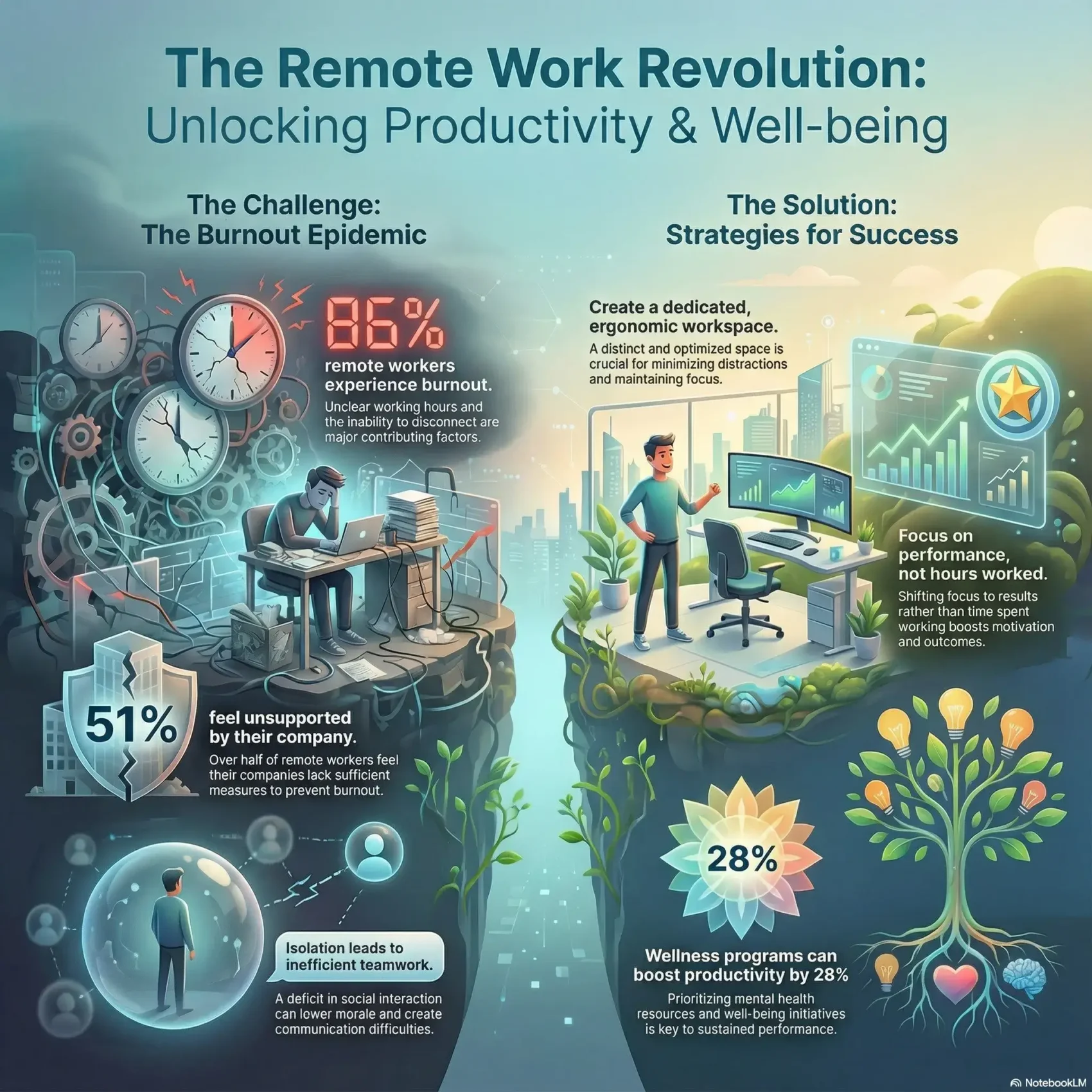
Last Updated on December 13, 2025
Remote work is becoming the standard for many employees, making it crucial to enhance your efficiency while working from home. With 27% of U.S. employees now working remotely and 16% of businesses fully embracing this model, the work environment has significantly changed. Despite the appeal of flexibility, the challenges of longer hours and the risk of burnout are real. An alarming 86% of remote workers report feeling job burnout, highlighting the urgent need for strategies to improve productivity while safeguarding mental health.
Thriving in a remote setting significantly impacts your job performance and satisfaction. As we navigate this evolving work style, we aim to provide you with practical insights and tools to boost your productivity. Let’s explore the dynamics of remote work productivity and discuss key strategies to keep you engaged and effective.
Key Takeaways
- Remote workers show 47% more productivity than in-person counterparts.
- 86% of remote employees face job burnout, showing the need for supportive measures.
- 51% of remote workers feel their companies lack sufficient support against burnout.
- Implementing wellness programs can increase productivity by nearly 28%.
- Remote work promotes better mental health, contributing to reduced stress levels.
- 60% of remote employees emphasize the importance of self-discipline to stay productive.
The Rise of Remote Work Productivity
The work landscape has seen a profound shift in recent years, largely due to Remote Work Trends. Employees now value flexibility more than ever, leading to significant changes in productivity. By examining statistics on remote work, we can better understand the impact of this trend.
Statistics on Remote Work Trends
Recent data shows how remote work has changed productivity. A Stanford University study found a 5% productivity boost for remote workers over office-based peers in summer 2020. This advantage grew to 9% by spring 2022. IT and finance sectors saw productivity growth leap from 1.1% between 2010 and 2019 to 3.3% post-pandemic.
On the flip side, sectors like transportation and dining, which rely on face-to-face interaction, saw productivity drop. Their annual growth rate fell from 0.6% before the pandemic to -2.6% afterwards. These figures highlight how various industries have either thrived or struggled with remote work.
The Impact of the Pandemic on Work Styles
The pandemic has dramatically altered work styles, affecting both employee engagement and output. Clear communication is now key in remote teams to ensure collaboration and connection. Many employees prefer working from home, with 64% of those at big companies like Google and Amazon opting for it over a pay increase.
Flexible work styles during the pandemic have led to better productivity for many. Workers saved an average of two hours per week in 2021 and 2022 due to reduced commutes. This extra time was used to enhance work output, with employees dedicating 40% of it to work.
Understanding the Relationship Between Remote Work and Productivity
The shift to remote work has led to a plethora of findings on the Remote Work Productivity relationship. Studies on productivity present a mixed bag, highlighting the need to explore the factors influencing productivity in remote settings.
Mixed Findings from Recent Studies
Research reveals that productivity among remote workers varies widely. Some reports indicate a decline of 8-19%, while others point to a rise of up to 24% during remote work. These discrepancies often hinge on factors like the quality of communication tools and the employee’s work environment. This knowledge enables employers to identify areas for improvement and tailor their support to employee needs.
Factors Affecting Productivity in Remote Settings
Three main factors influence productivity in remote work: organizational support, external pressures, and individual traits. Strong communication and a well-structured job facilitate effective collaboration. Conversely, external pressures such as family duties or social isolation can hinder focus. Individual characteristics, including personality and home-office setup, also play a crucial role in determining productivity.
Recognizing these factors is key to enhancing productivity and overall employee well-being. It’s essential for companies to address these influences to foster a supportive remote work environment.
Exploring the dynamics of remote work and its effects on productivity is vital. Consider delving into resources that discuss effective remote working strategies to gain deeper insights.
Identifying the Challenges of Remote Work
Remote work brings flexibility and convenience but also challenges that can affect productivity. Recognizing these challenges is crucial for overcoming them. Addressing these issues is vital for a healthier work environment.
Burnout and Mental Health Issues
Burnout among remote workers is a significant concern, often caused by unclear working hours. Without effective management, employees may suffer from severe stress and fatigue. To fight burnout, *employers should prioritize mental health resources* and promote regular breaks to recharge.
Isolation and Social Interaction Deficits
Isolation in remote work settings can lower morale and motivation. The absence of face-to-face interactions leads to communication difficulties, resulting in *misunderstandings and inefficient teamwork*. To address this, virtual team-building activities can help strengthen relationships and improve team cohesion.
Blurred Work-Life Boundaries
The shift to remote work often erases the distinction between personal and professional life. Work-life balance issues can emerge if employees don’t have clear work hours or a dedicated workspace. Setting clear boundaries by establishing specific hours and dedicated workspaces can greatly reduce stress levels.
10 Strategies for Sustained Remote Employees’ Productivity
In the realm of remote work, maintaining consistent productivity can be daunting. Adopting effective strategies for remote work success can revolutionize your daily routine. Here are three key areas to boost your productivity and enhance your work experience.
Performance Focus Vs. Hours Worked
Switching your focus from hours worked to performance can significantly boost your motivation. Emphasizing work quality over quantity helps you focus on results, not just time spent working. This shift in mindset can lead to superior outcomes, thereby improving your productivity in remote work settings.
Emphasizing Technology and Tools
Using the right technology is essential for remote work efficiency. Platforms like Slack for communication and Asana for project management streamline task coordination and collaboration. Integrating these tools into your workflow facilitates smoother interactions and supports sustained productivity, giving you a competitive edge.
Establishing a Dedicated Workspace
Creating a workspace tailored for focused work is crucial for minimizing distractions. Solutions like ergonomic furniture and distinct work zones foster an environment conducive to productivity. By optimizing your workspace, you empower yourself to stay on task, which is crucial for remote work success.
Essential Productivity Tools for Remote Work
Using technology is key to boosting your productivity when working from home. The right tools can make processes smoother and improve how teams work together. Here are some top examples of software and platforms that can change how you work remotely.
Project Management Software Examples
Effective project management software helps you keep tasks in order and check on your team’s work. Tools like Asana let you customize reports to track team performance and find where things slow down. This boosts productivity. Trello uses the Kanban board approach, giving you a clear view of tasks for better management.
These tools not only help with tracking projects but also make remote teams more accountable.
Communication Platforms That Enhance Collaboration
For remote teams, communication platforms are crucial for staying connected and informed. Slack offers customizable channels to keep conversations organized, making teamwork more efficient. Zoom is a top choice for video calls, with features like screen sharing ideal for both small team meetings and big company gatherings.
Using these platforms can make your team’s interactions better, no matter where they are.
Remote Work Productivity: Creating a Flexible Schedule
Creating a flexible schedule is key to thriving in remote work. By structuring your day around your most productive hours, you can boost your efficiency. This approach allows you to manage your personal life better, leading to better time management in remote work.
The Benefits of Time Management
Effective time management is crucial for balancing work and life. It helps you organize tasks and allocate time effectively, reducing stress. Many remote workers find they are more content in their roles when they can tailor their schedules to their needs. Investing in time management strategies not only enhances daily productivity but also fosters long-term career fulfillment.
How Flexibility Boosts Engagement
Flexibility in the workplace leads to higher engagement in remote work. Research shows that employees who can work flexibly are more committed and motivated. By tailoring their schedules, remote workers feel more in control of their work environment and responsibilities. This flexibility not only increases productivity but also boosts morale within teams.
Enhancing Employee Well-being and Health
In today’s remote work landscape, prioritizing employee well-being is key to success. Wellness programs for remote workers are vital in creating a supportive work environment. They make employees feel valued and cared for, boosting their productivity and job satisfaction.
Wellness Programs that Support Productivity
Wellness programs tailored for remote workers can significantly improve employee engagement. These programs often include virtual fitness classes, mental health days, and flexible scheduling. By investing in these initiatives, companies can build a culture that supports employee well-being and a healthy work-life balance. Supported employees tend to show greater focus and motivation.
The Importance of Mental Health Resources
Mental health is crucial for employee performance. Offering counseling services, mental health days, and workshops can help reduce anxiety and burnout. With nearly 42% of US adults experiencing anxiety and depression last year, addressing these issues is essential. A focus on mental health shows that your workplace values your team’s overall well-being.
Remote Work Best Practices for Employers
To create a thriving remote work culture, focus on practices that boost productivity and satisfaction. Key elements include providing the right tools and ensuring robust communication. These strategies not only support your team but also build a culture of openness and collaboration.
Providing the Right Equipment and Support
Equipping your team with the right technology is essential for their success. Consider offering laptops, software, and ergonomic furniture to enhance their performance. A robust IT infrastructure is vital for remote work, ensuring seamless operations. By investing in reliable tools, you demonstrate support and facilitate effective communication.
Encouraging Feedback and Communication
Effective feedback mechanisms are crucial in remote teams. Use platforms like Google Meet and Slack to foster open communication. This allows team members to share ideas and express concerns freely. Regular check-ins foster a sense of belonging and provide a platform for employees to discuss challenges, promoting growth and morale.
Improving Remote Work Efficiency
In today’s dynamic work environment, enhancing remote work efficiency is crucial for many organizations. By setting clear performance expectations and focusing on results, companies can significantly boost productivity. This approach also supports employee well-being.
Setting Clear Expectations and Goals
Defining precise goals is essential in managing remote work effectively. When employees know what is expected of them, they can better align their efforts with the organization’s mission. This clarity boosts accountability and empowers team members to take ownership of their tasks.
Strategies like regular check-ins and clear communication of objectives ensure everyone stays on track. Aligning individual performance with broader company goals fosters a sense of purpose. This can drastically improve remote work efficiency.
Monitoring Performance without Micromanaging
Adopting an outcomes-based approach to assess productivity can enhance morale in remote teams. Using metrics that focus on results rather than daily activities encourages autonomy among employees. Tools like project management software can streamline tracking progress without fostering micromanagement.
Building trust through effective remote work management positively impacts job satisfaction. Employees are more likely to thrive when they feel respected and valued for their contributions.

Conclusion
The exploration of remote work uncovers profound insights into boosting productivity. A staggering 99% of respondents are content with their remote work setup, with 84% preferring it over traditional office settings. This indicates a significant shift towards remote work, yet, 22% struggle to disconnect from work, underscoring the need for clear boundaries and strategies.
As remote work’s future takes shape, adopting hybrid models that blend remote and in-office settings is crucial. Technology, dedicated workspaces, and mental health support are essential for boosting productivity and employee satisfaction. This approach ensures adaptability while fostering a supportive work environment.
For individuals and organizations to excel, integrating effective productivity strategies and empathy towards remote work challenges is key. This approach helps navigate the complexities of remote work, creating a culture that supports collaboration, motivation, and connection in our digital age.