Tools
Tools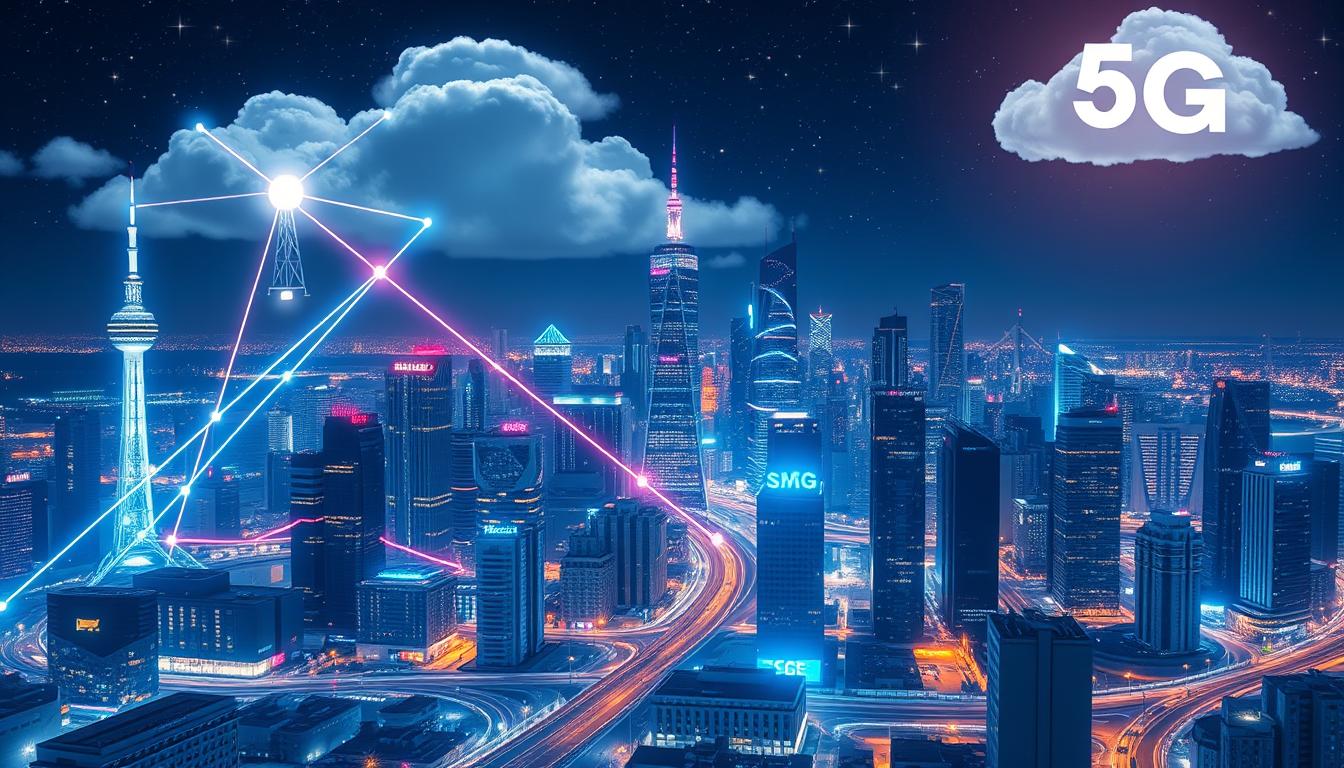
Last Updated on December 9, 2025
The advent of 5G technology is set to profoundly impact the retail industry, ushering in a new era of digital transformation. With over 300 million Americans already connected across more than 18,000 cities and towns, 5G promises to revolutionize customer experiences. This shift includes faster connectivity, seamless transactions, and personalized services tailored to your shopping preferences.
The integration of 5G retail solutions is poised to streamline operations and deepen the connection between retailers and consumers. Retail giants like AT&T Business are already embracing this technology across over 5,000 locations. This marks the beginning of a new retail era. As 5G expands, its integration with IoT devices will transform inventory management and enhance customer satisfaction through real-time data on merchandise availability.
As the retail landscape continues to evolve, grasping the impact of 5G technology on your shopping experience will be crucial. It will guide you through the future of commerce.
Key Takeaways
- 5G technology is reaching over 300 million Americans, enhancing retail experiences.
- Improvements in customer satisfaction are driven by real-time data from IoT-enabled devices.
- Retailers are investing heavily in technology to improve operational efficiencies and customer experiences.
- 5G will facilitate faster response times and restocking processes.
- The rise of immersive technologies will greatly enhance customer engagement.
The Impact of 5G Technology on Retail
The advent of 5G technology is revolutionizing retail operations and customer interactions. It boosts connectivity, speeds up data transfer, and cuts latency significantly. This change enables retailers to manage their operations better and enhance customer experiences.
Understanding 5G Technology in Retail
5G technology supports numerous devices at once, improving customer experiences in physical stores. It allows for real-time data use in inventory management, ensuring timely restocking and efficient supply chain operations. The enhanced security of 5G, offering up to ten times more secure encryption than before, is crucial. It secures digital transactions, boosting consumer confidence in online shopping.
Key Features of 5G Relevant to Retail
- Massive Machine-Type Communication: This feature enables a large number of devices to connect without overloading the network, offering retailers operational flexibility.
- Ultra-Reliable Low-Latency Communication: Crucial for applications like contactless payments and augmented reality, it ensures swift and reliable interactions, enhancing customer engagement.
- Improved Network Management: Retailers can cut capital expenses by using enhanced remote connectivity for network troubleshooting, reducing the need for on-site IT support.
- Real-Time Insights: With 5G, retailers get instant data on inventory levels, aiding in smoother supply chain management and preventing stockouts.
As grocery retailers and mass merchants adopt 5G technology, its effects will spread across the retail industry. The integration of IoT devices and edge computing with 5G will streamline inventory management, reducing overspending. Learn more about the impact of 5G on retail and how it drives innovation and improves customer experiences.
Benefits of 5G in Retail
Adopting 5G technology in retail operations offers substantial benefits. It enhances customer experience and boosts operational efficiency. With its capacity to support up to 250 times more devices than previous generations, 5G enables retailers to deploy advanced solutions. These solutions meet the needs of today’s shoppers.
Enhanced Customer Experience
5G’s faster internet speeds and lower latency revolutionize the shopping experience. Whether browsing online or using in-store tech, 5G ensures smooth interactions. It processes large datasets in real-time, offering personalized recommendations based on your preferences.
With increased bandwidth, retailers can analyze foot traffic. This allows them to create engaging shopping environments tailored to your needs. Personalized experiences are key; 5G makes genuine connections possible, boosting purchase intentions by 80%.
Improved Operational Efficiency
5G also transforms operational aspects of retail. Real-time inventory tracking ensures popular items are always available, reducing waste. Data analytics-driven employee dispatch optimizes in-store operations, saving costs and boosting profitability.
Automated checkout systems, powered by 5G, streamline the buying process. These advancements lead to higher customer satisfaction and increased profitability for retailers.
5G Retail: A Catalyst for Digital Transformation
The advent of 5G retail heralds a new era in digital transformation for the retail sector. This technology empowers businesses to implement groundbreaking solutions, revolutionizing their interactions with customers. By integrating 5G, retailers can harness the power of artificial intelligence (AI) and Internet of Things (IoT) technologies. This synergy creates a seamless digital ecosystem.
With 5G’s ability to support millions of devices per square mile, retailers can deploy numerous IoT touchpoints in high-traffic areas. This capability leads to a more personalized shopping experience, which 91% of consumers find highly appealing. Such personalized engagement boosts customer loyalty and satisfaction.
The trend towards retail innovation is evident in the growing investment in digital signage technology. The global digital signage market is expected to reach $38.23 billion by 2028. This highlights the critical role of digital signage in effective customer interaction. Retailers can leverage these technologies to offer real-time updates, special promotions, and immersive content, all facilitated by 5G’s robust infrastructure.
The self-service kiosk market, valued at $12.05 billion in 2020, showcases 5G’s role in streamlining customer transactions. With forecasts indicating a market value of nearly $21.42 billion by 2027, the trend towards self-service solutions is clear. These solutions offer convenience and improve the shopping experience.
By 2025, the retail technology market is expected to reach up to $58.23 billion. The substantial investment in 5G and IoT technologies by retailers underscores the need for businesses to remain competitive. Those embracing these advancements will see enhanced operational efficiency and the capacity for ongoing innovation.
The transition to a digitally transformed retail sector is not just beneficial; it is unavoidable. Adopting 5G technology equips retailers to navigate the digital economy’s challenges and serves as a catalyst for future growth.
Use Cases for 5G in Retail
5G technology in retail offers numerous practical applications, enhancing operations and customer interactions. Retailers who embrace these use cases can stay competitive and improve their services.
Immersive Shopping Experiences
5G enables immersive shopping experiences through augmented reality (AR) and virtual reality (VR). Customers can see products in real-time, changing how they shop. They can interact with merchandise from home or in stores.
The technology’s high connectivity ensures smoother transitions and faster load times for AR/VR. This leads to more engaging customer interactions.
Optimized Supply Chain Management
5G transforms supply chain management by tracking and delivering products more efficiently. Its ultra-reliable low-latency communication allows for real-time inventory and shipment visibility. Retailers can monitor products from warehouse to store instantly.
This makes logistics more efficient and responsive. It’s a game-changer for supply chain management.
Real-Time Inventory Monitoring
Real-time inventory monitoring is a key benefit of 5G. Retailers can track stock levels constantly, reducing overstocking or understocking. Connected devices provide instant alerts, ensuring adequate inventory.
This capability streamlines operations and promotes better resource utilization. It enhances customer satisfaction by minimizing out-of-stock situations.
Showcasing 5G in Retail Environments
The introduction of 5G technology in retail settings is transforming the shopping experience. Retailers can now offer more engaging and interactive experiences thanks to 5G. This technology improves communication, allowing customers to interact with products in new ways.
In-Store Solutions Leveraging 5G
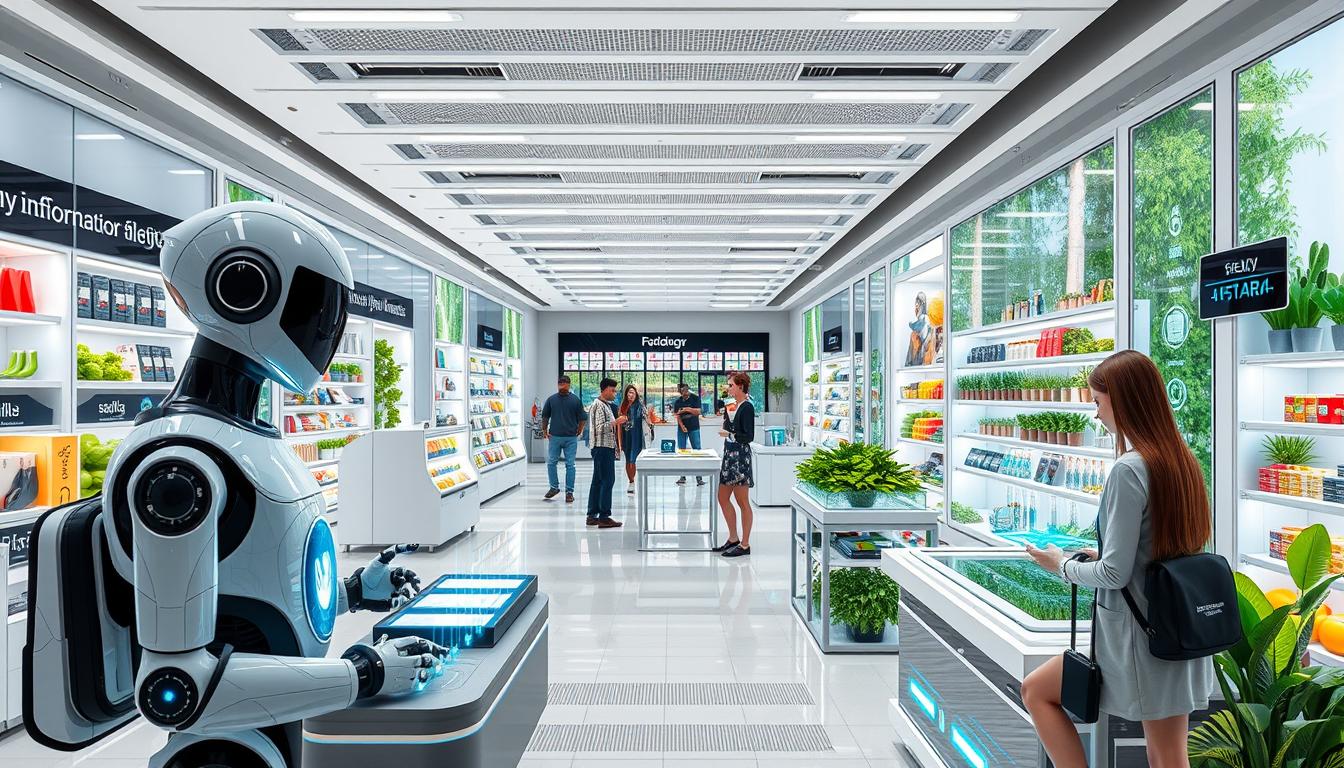
Retailers are using 5G to enhance their in-store solutions. Smart mirrors, interactive displays, and augmented reality features are making shopping more engaging. For example, augmented reality enables virtual try-ons and highlights product details, enhancing the customer experience.
These experiences not only captivate shoppers but also build loyalty. They encourage customers to return, boosting sales and customer satisfaction.
Integration with IoT Devices
Integrating IoT devices with 5G technology further enhances retail operations. These devices collect real-time data on customer behavior and inventory. This data helps retailers make quick, informed decisions.
Companies like Tractor Supply Co. and AutoZone are already seeing benefits. They use 5G for better product tracking and reduced inventory shrinkage. By managing these devices securely, retailers can create a more efficient and innovative shopping environment.
Implementing 5G for Retail
The shift to 5G marks a major leap for the retail sector. It’s not just an upgrade; it’s a game-changer that can boost customer satisfaction and streamline operations. For retailers, a well-thought-out plan is key to a successful 5G adoption. This entails evaluating your current tech setup and finding the right partners for a seamless transition.
Planning for Transition to 5G
Begin by reviewing your current systems, including hardware and software. Knowing how these can work with 5G is crucial. Also, consider private 5G networks. They bring unique advantages like network slicing for better resource management during busy times, enhancing efficiency. Training your staff on these new technologies is also essential for their effective use.
Challenges Retailers May Face
The move to 5G is promising but comes with hurdles. Securing reliable connectivity in varied settings is a major challenge. Integrating 5G with existing systems can be complex, requiring a detailed look at compatibility. Moreover, as more devices connect, data security becomes a pressing concern. Retailers must implement strong cybersecurity measures to safeguard customer data and uphold trust.
The Future of 5G in Retail
The future of 5G in retail is set to bring about significant changes, reshaping the shopping experience. Retail businesses are starting to adopt new technologies, leading to transformations driven by better connectivity and innovative solutions. Augmented reality (AR) is a key player in delivering immersive experiences. By 2025, nearly three-quarters of the global population will use AR, opening up vast opportunities for retailers.
Upcoming Technologies and Trends
The combination of 5G technology with AR and VR will revolutionize how customers interact with products. With 5G offering up to 250 times more connectivity than 4G, retailers can create apps that provide real-time information, like allergen details on groceries. Verizon’s 5G Lab showcases how 5G will make retailers leaders in customer engagement.
“The AR market could reach a value of $57.1 billion by 2030, influenced by the synergy between AR and 5G technologies.”
By adopting these technologies, you can create seamless online shopping experiences and streamline services. Imagine a retail environment where quick checkouts, personalized recommendations, and real-time inquiries converge, all thanks to 5G’s low latency.
Potential for New Revenue Streams
As customers seek more personalized interactions, 5G technology offers new revenue streams. It allows for real-time inventory tracking and customer behavior monitoring, enabling tailored products and services. Private 5G networks also enhance security, protecting customer data and reducing cyberattack risks.
Moreover, integrating IoT devices boosts operational efficiency, leading to cost savings in inventory management. This approach can lead to hyper-personalized shopping experiences, fostering customer loyalty and driving sales.
Optimizing Retail with 5G Technology
Adopting 5G technology opens up new avenues for retailers to improve their operations and customer interactions. As the retail sector evolves, combining customer engagement strategies with 5G’s capabilities offers innovative paths to success.
Strategies for Enhancing Customer Engagement
For effective customer engagement, retailers should concentrate on personalized marketing and real-time communication. Studies show that 91% of consumers prefer brands that offer tailored offers and recommendations. By leveraging 5G’s advanced analytics, you can analyze consumer behavior and adjust your offerings swiftly. Digital signage, expected to reach a market value of $38.23 billion by 2028, can enhance the in-store experience, making it more engaging and interactive.
Utilizing Advanced Analytics for Better Outcomes
Advanced analytics are crucial for optimizing retail operations. With 5G, real-time data analysis becomes possible, offering insights into footfall and inventory management. Employing AI and machine learning, retailers can refine pricing strategies, promotional offers, and sales forecasts. Immediate analytics access enables the automation of inventory management, reducing stockouts and overstock scenarios.
Conclusion
The 5G retail transformation is more than just a tech upgrade; it’s a paradigm shift in customer engagement and operational efficiency. With its capability to support vast data speeds and connectivity, 5G enables retailers to boost customer satisfaction through quicker transactions and real-time data exchange. As you embrace this technology, you’ll find new ways to improve service delivery, increase sales, and stay ahead in the competitive retail market.
By adopting 5G, your business can handle high-traffic demands effortlessly, especially in busy shopping areas. The chance to serve more customers efficiently and offer enriched experiences, like augmented reality shopping, is crucial for the retail future. Statistics reveal that even a slight speed improvement can significantly boost revenue, highlighting the importance of every millisecond saved.
Your readiness to harness 5G’s full potential can make you a leader and open up new revenue streams. With a growing market and increasing demand for advanced retail solutions, the future of retail is clearly linked to 5G innovations. It’s time to act, as those who embrace this technology early will benefit greatly from this revolution.