Tools
Tools
Last Updated on December 9, 2025
The recruitment landscape is undergoing a significant transformation, driven by the rapid advancement of AI Hiring Tools. Organizations are now focused on improving their talent acquisition processes. Understanding the role of artificial intelligence in hiring has become crucial for achieving these goals.
By embracing AI, recruitment efforts can be streamlined, leading to faster and more effective hiring decisions. In fact, over 60 percent of HR professionals are optimistic about AI’s potential to revolutionize their recruitment processes. Moreover, 84% of firms recognize its value in enhancing efficiency.
Adopting the latest HR technology for hiring can save time and costs while improving hiring success rates. AI has shown impressive results, such as a 40% improvement in hiring rates and a 90% reduction in replacement times for companies like Hilton. This introduction to AI-driven recruitment tools opens the door to smarter, faster hiring practices. It can redefine your organization’s approach to talent acquisition.
Key Takeaways
- Over 60% of HR professionals are optimistic about AI’s role in recruitment.
- 84% of HR firms find AI to be a valuable recruitment tool.
- AI-powered processes can lead to a 90% reduction in replacement times.
- AI algorithms enhance candidate matching and improve hiring success rates.
- Companies using AI tools report significant cost savings in their hiring processes.
The Rise of AI in Recruitment
The integration of AI in recruitment has transformed the hiring process, moving beyond simple automation. It now involves sophisticated tools that significantly streamline the search for ideal candidates. Many companies are embracing AI recruitment solutions to boost efficiency and effectiveness in talent acquisition.
Current Statistics on AI Usage
Recent data shows a surge in AI adoption in recruitment, with about 65% of recruiters now using these tools. The AI recruitment software market is projected to hit USD 890.51 million by 2028. This growth underscores HR’s confidence in AI’s ability to reduce biases and promote a more data-driven hiring process. Machine learning tools can quickly review thousands of resumes, saving recruiters time and effort.
Shifting Trends in Recruitment Technology
AI-powered chatbots are increasingly used for initial interviews, offering real-time assessments and feedback. This enhances the candidate experience. Additionally, AI-driven virtual reality simulations are being used to evaluate candidates’ skills, leading to more informed hiring decisions. It’s crucial for organizations to stay updated with these technological advancements to ensure fair and ethical hiring practices.
Understanding AI Hiring Tools
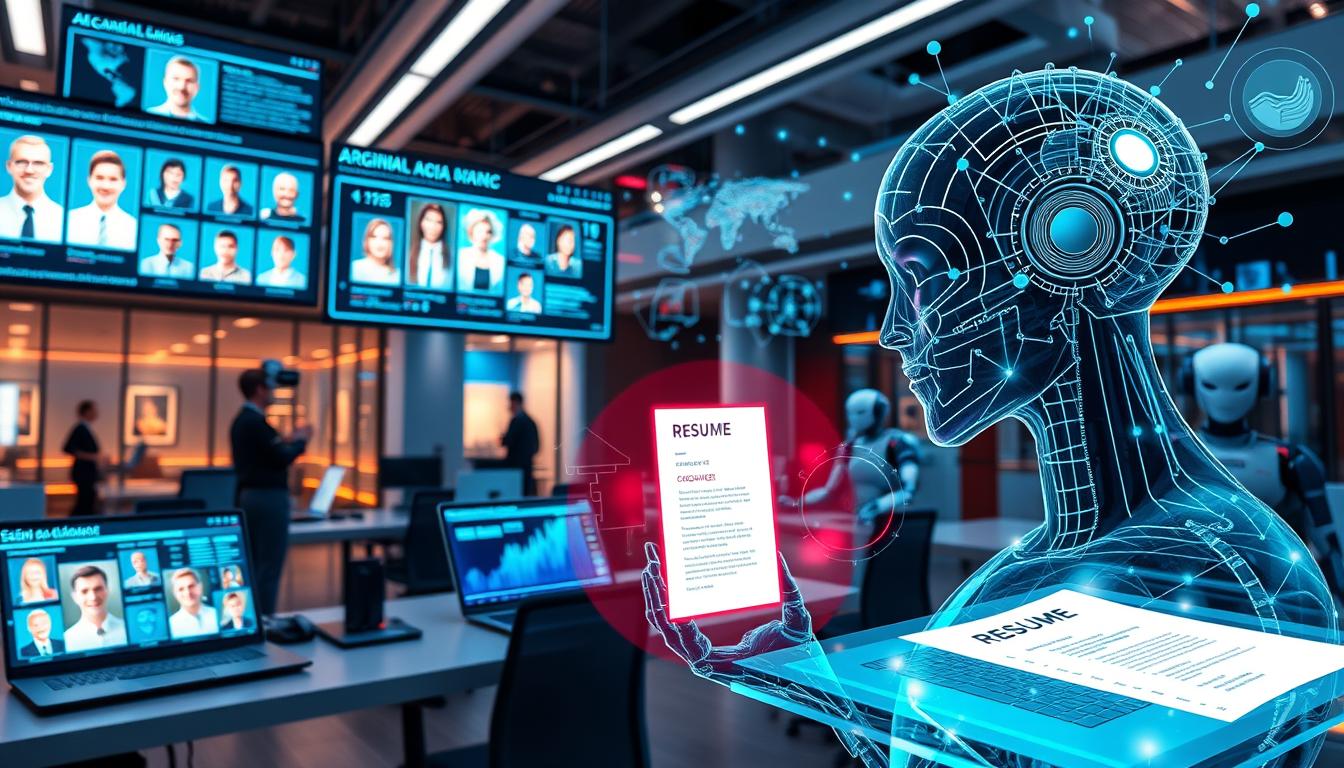
As organizations evolve, integrating AI hiring tools into the recruitment process is crucial. These automated hiring platforms streamline candidate selection, freeing HR to focus on strategic decisions. This shift away from administrative tasks is significant.
What Are AI Hiring Tools?
AI hiring tools are software applications designed to improve the recruitment process. They analyze large datasets, from resumes to applicant interactions. This ensures HR teams can efficiently find the best candidates for job openings. Advanced smart recruiting software helps reduce bias, focus on relevant skills, and create a fairer hiring landscape.
Types of AI Hiring Tools
There are various AI hiring tools, each with its own function in the recruitment pipeline. Key examples include:
- Resume Parsers: These tools extract key information from resumes, making it easier to identify qualifications and job fit.
- Chatbots: Intelligent chatbots engage candidates by answering their questions in real-time, enhancing the application experience.
- Video Interviewing Tools: AI-driven video analysis highlights beneficial candidate traits, offering insights beyond traditional interviews.
By using these AI hiring tools, organizations can save time, reduce costs, and enhance the candidate experience. Adopting automated hiring platforms shows a commitment to improving recruitment efficiency. It allows teams to focus on connecting with top talent. For more on AI’s role in the workplace, explore further insights here.
Benefits of AI-Driven Recruitment
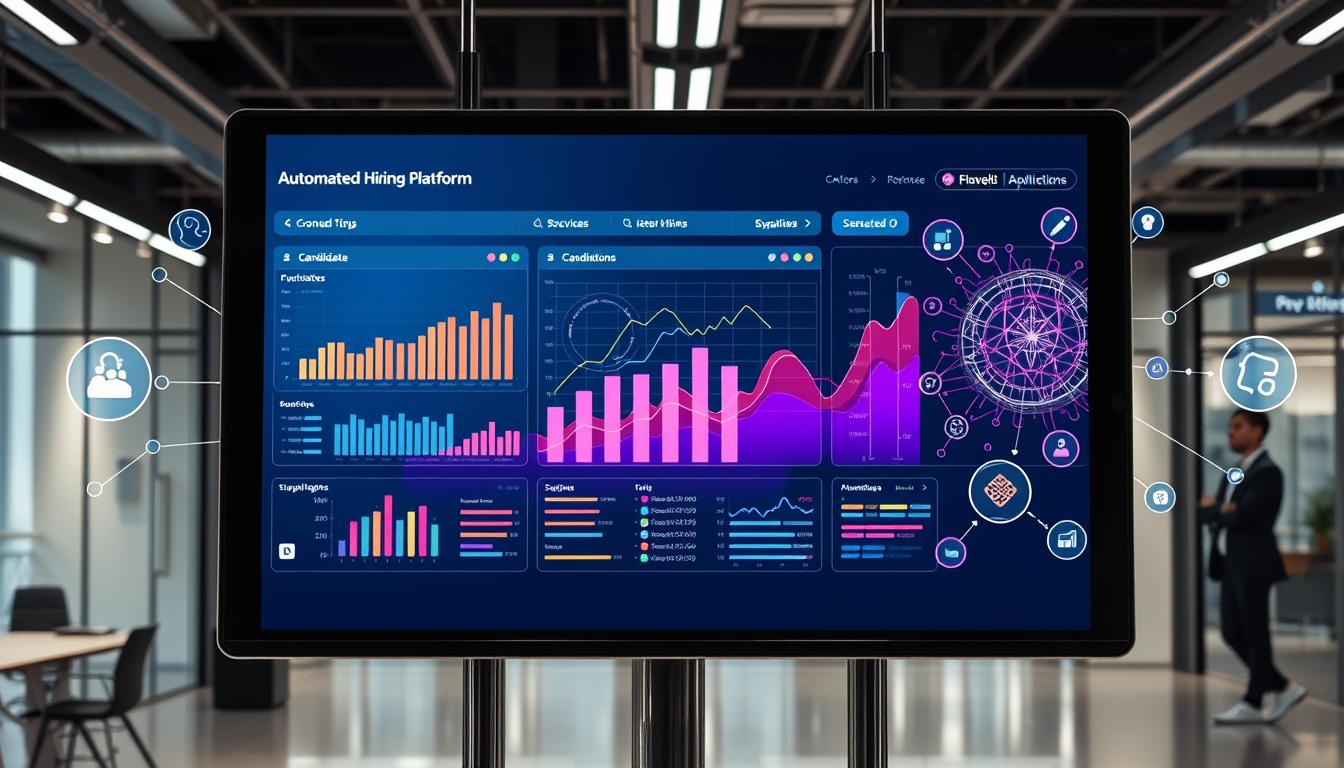
In today’s competitive job market, organizations face numerous challenges in attracting and retaining top talent. By integrating AI recruitment solutions into your hiring strategy, you can experience significant advantages. These advantages streamline processes and enhance results. This approach not only leads to time-efficient recruitment but also boosts overall hiring success.
Time and Cost Savings
Utilizing AI tools allows you to optimize your recruitment process. Instead of spending countless hours reviewing resumes manually, AI-enhanced hiring enables you to quickly sift through applications. This time-efficient recruitment dramatically reduces hiring costs by minimizing the resources needed for initial screenings and interviews.
Improved Hiring Success Rates
AI recruitment solutions improve the quality of hires significantly. These tools analyze vast datasets, highlighting individuals with the right skills, qualifications, and cultural fit for your organization. With predictive analytics, AI helps forecast hiring needs, thus enhancing the likelihood of selecting the best talent. Moreover, by fostering improved communication through AI chatbots, candidates enjoy a seamless experience throughout the recruitment process. This leads to increased trust and transparency.
Popular AI-Powered Recruiting Solutions
The recruitment landscape is rapidly changing, thanks to AI. Tools like resume parsing software and recruitment chatbots are leading this transformation. They make hiring more efficient and improve the candidate experience.
Resume Parsers
Resume parsing software is crucial in today’s recruitment. It automates the analysis of job applications, finding candidates who match job requirements. This tool sorts and filters resumes efficiently, allowing you to quickly identify the best candidates. It saves time and boosts the hiring process for many organizations.
Chatbots in Recruitment
Recruitment chatbots are revolutionizing candidate engagement. They automate conversations, answering questions and guiding applicants through the process. This ensures candidates stay informed and engaged. Chatbots also help filter candidates, making hiring more automated.

Ethical Considerations in AI Recruitment
The use of AI in recruitment raises several ethical concerns. One key issue is bias in AI hiring, stemming from training data that mirrors societal prejudices. It’s crucial to tackle these biases to ensure ethical AI recruitment and a fair hiring process.
Addressing Bias in AI Algorithms
Companies must actively work to reduce bias in AI algorithms. Regular audits and monitoring of AI tools can uncover and fix discriminatory practices. Establishing guidelines that adhere to ethical standards helps refine AI algorithms. This approach promotes a more inclusive hiring process, allowing diverse perspectives to influence decisions.
Privacy Concerns in Candidate Data
Candidate data privacy is a critical ethical consideration in AI recruitment. It’s essential for organizations to anonymize sensitive information and be transparent about its use. Employees should have the right to consent and be informed about data processes. Strong data protection measures build trust between candidates and organizations, creating a secure recruitment environment.
Examples of Successful AI Implementation
Looking into successful AI recruitment examples reveals how companies integrate technology into their hiring. Unilever and L’Oréal are notable for their use of AI. They’ve made the hiring process better for candidates and improved their outcomes.
Case Study: Unilever’s Virtual Interviewing Tool
Unilever uses HireVue’s virtual interviewing tool in their AI-driven hiring process. This tool simplifies interviews and evaluates candidates based on their responses. By comparing these responses to those of top performers, Unilever has seen a 16% boost in diversity.
Case Study: L’Oréal’s AI-Enabled Interview Process
L’Oréal employs Mya chatbot in their recruitment. It asks specific questions and analyzes responses, helping recruiters make quick decisions. This shows how AI can streamline the hiring process, ensuring the best talent is chosen efficiently.
Best Practices for Integrating AI in Recruitment
Integrating AI into recruitment can greatly enhance efficiency and candidate experience. It’s crucial to focus on two key areas: training HR teams on AI tools and selecting the right AI recruiting tools. This ensures your team can effectively use technology in the hiring process.
Training HR Teams on AI
Empowering HR teams with AI training is vital. Understanding these technologies allows employees to fully utilize AI in recruitment. Training should cover:
- Understanding specific AI tools and their functionalities.
- Data management and security to protect candidate information.
- Bias mitigation techniques to promote fair hiring practices.
- Ethical considerations that surround the implementation of AI in recruitment.
Adopting a continuous learning approach is recommended. This allows teams to stay updated with the latest AI technologies. Starting with small pilot projects can provide valuable insights for scaling up.
Selecting the Right AI Tools
Choosing the right AI tools is essential. Begin by assessing your organization’s specific needs. Consider:
- Identify gaps in your current recruitment workflow and specify the features you require.
- Evaluate tools based on how well they can integrate into existing processes.
- Seek AI solutions that improve efficiency, like automating candidate matching, resume screening, and scheduling interviews.
Opting for the right tools can significantly boost recruitment effectiveness. AI solutions can streamline processes, lower hiring costs, and create a more inclusive environment. They focus on qualifications, reducing biases.
The Role of Machine Learning in Recruitment Tools
Machine learning is transforming the recruitment landscape, enabling companies to find and hire top talent more effectively. These tools offer deep candidate insights, significantly improving the hiring process. By leveraging machine learning algorithms, recruiters can sift through vast datasets. This leads to better candidate matching and more informed hiring decisions.
Candidate Matching and Insights
Machine learning excels in refining candidate matching. It analyzes various attributes and qualifications, pinpointing the most fitting candidates for each role. Leaders in this field, such as HeroHunt.ai, HireVue, and PandoIQ, use machine learning to efficiently process applicant data. Tools like Textio also leverage data to improve job descriptions, fostering greater diversity among applicants.
Automation of Administrative Tasks
Machine learning also revolutionizes administrative tasks in recruitment. AI-powered chatbots streamline duties like scheduling interviews and managing candidate communications. This frees up recruiters to concentrate on candidate relationships. The adoption of these technologies marks a shift towards “Digital Recruiting 3.0,” emphasizing efficiency and effectiveness. Companies can now automate job ad placements through programmatic advertising, enhancing their recruitment strategies with data analytics.
Future Trends in AI-Driven Recruitment
The recruitment landscape is rapidly evolving, driven by technological advancements. The future of AI recruitment holds great promise, especially with predictive analytics and AI smart assistants. These innovations will aid recruiters in making informed decisions and improve the candidate experience.
Predictive Analytics in Recruitment
Predictive analytics is poised to revolutionize recruitment strategies. It analyzes historical hiring data and market trends to forecast future needs. This allows for identifying candidate success rates and reducing turnover by 25-35%. By leveraging predictive analytics, companies can align their recruitment with market demands, enhancing hiring success.
The Impact of Smart AI Assistants
AI smart assistants are transforming communication in recruitment, making it more engaging for candidates. They manage interactions, offering real-time feedback and personalized experiences. By automating routine tasks, they enable HR professionals to focus on onboarding and training. The integration of smart AI assistants boosts trust and transparency, leading to higher hiring success rates.
Is AI Replacing Human Recruiters?
The rise of AI in recruitment sparks debate on its impact on human recruiters. Many speculate AI might replace them entirely. However, the truth is more nuanced. AI is meant to augment the recruitment process, boosting efficiency while preserving the human touch essential for making hiring decisions.
The Necessity of Human Oversight
AI excels in processing large datasets swiftly, yet it needs human input to handle complex social interactions. Traditional recruitment methods can take weeks or months to find the right candidates. In contrast, AI tools like Moonhub can identify over 50 qualified candidates in just five minutes. Yet, they sometimes overlook the hidden talents that human intuition can spot.
Enhancing Recruiter Efficiency with AI
AI automates mundane tasks, freeing human recruiters to focus on strategic, people-oriented work. They often spend countless hours on tasks like screening resumes and scheduling interviews. AI takes over these duties, saving time and allowing recruiters to concentrate on activities that require interpersonal skills. AI’s ability to analyze feedback and trends also aids in improving candidate experiences.
This partnership between AI and human recruiters enhances recruitment outcomes. While AI offers speed and efficiency, human judgment is crucial for evaluating soft skills and cultural fit. As you use AI tools, remember to rely on your intuition and empathy to make significant hiring decisions.
Conclusion
Looking ahead, AI in hiring is more than a trend; it’s a game-changer for talent attraction and selection. AI tools can boost efficiency, cut down biases, and improve candidate experiences. This leads to better hiring outcomes.
The AI talent acquisition market is expanding, with a 6.5% annual growth rate. This shows a significant shift in recruitment strategies. By adopting these technologies, your company can automate tasks like resume screening and interview scheduling. This frees up HR teams’ time and enhances candidate engagement through tailored interactions.
To remain competitive, embracing AI recruitment tools is crucial. Learning to use these tools effectively will strengthen your recruitment strategies. It also promotes a more inclusive and diverse workplace. The future of recruitment is here, and AI will unlock new talent pools for you.