Tools
Tools
Last Updated on December 1, 2025
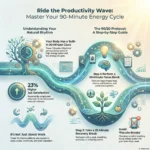
You’ll learn to shape your day around when you naturally feel most alert. Shift deep work into those windows and save low-focus tasks for troughs. This simple shift turns blocks of time into genuine performance moments and cuts wasted effort.
Small changes in what you choose to do during high-alert periods can create outsized value for your business. Better focus during peaks means fewer mistakes, faster delivery, and clearer decisions across operations.
Think of your attention as a power resource you can allocate with intention. When you align tasks to peaks, you gain steady progress toward goals without extra hours.
Later sections will show how personal rhythm scales to enterprise-level management, where aligning processes to peak capacity drives cost and emissions benefits. For now, start by mapping one week of highs and lows and set one recurring peak block for your most important task.
Key Takeaways
- Identify your daily peaks and protect that time for deep work.
- Use low-focus stretches for routine tasks and email.
- Align meetings to mid-peak to boost team output.
- Small scheduling changes deliver measurable benefits.
- Apply the same approach to larger operations for cost and emissions gains.
From Personal Energy Peaks to Organizational Performance
Your peak focus windows can be the lever that lifts team output across an entire company. Start by protecting those hours for your hardest tasks and encouraging teammates to do the same.

Why aligning tasks with your daily peaks boosts real productivity
When you match high-focus work to peak attention, you get faster, cleaner results. Teams finish deep work sooner and avoid the rework that drains time and costs.
Translating personal rhythms into enterprise performance and cost savings
Building-wide systems respond when schedules sync with productive output. ENERGY STAR notes that building power is one of the largest operating expenses for U.S. offices and up to one-third of use is wasted.
- You’ll use simple analytics and software to spot when operations over-consume and where to shift loads.
- Align production runs, HVAC, and maintenance to peak windows to improve efficiency and lower energy costs.
- Clear metrics prove reduced consumption also cuts emissions and boosts net operating income.
Small scheduling changes plus data-driven tweaks deliver measurable performance and sustainability wins.
energy management: Definitions, Benefits, and Today’s Imperatives
Begin with a clear picture of what counts: small upgrades, big retrofits, and the software that ties them together.
What this covers: the range runs from swapping to LED bulbs and tightening insulation to upgrading HVAC and installing roof reflectors. It also includes utility tracking, IoT sensors, and analytics that forecast consumption and link budgets to operations.
Core benefits and business value
Lower costs and fewer emissions come first. A 10% cut in energy use can lift net operating income noticeably. You also gain better comfort, lower maintenance needs, and stronger ESG results.
Common myths vs reality
Not everything is free or risk-free. Prices can swing and projects have risk, but structured approaches like ISO 50001 and utility tracking reduce uncertainty. “Low-hanging fruit” exists, yet it still needs a clear plan to capture.
Today’s U.S. drivers
- Office buildings often waste up to one-third of their power use, pushing costs up.
- Data and analytics make usage visible so you can shift loads and budget better.
- Reducing consumption supports sustainability goals while improving resilience.
Bottom line: a repeatable discipline that blends quick wins and strategic projects creates measurable value beyond simple savings.
Energy Management Systems (EnMS), ISO 50001, and DOE’s 50001 Ready Path
A repeatable system turns one-off upgrades into steady, measurable gains across your sites. An energy management system (EnMS) sets practices that keep improvement rolling, not just one-time fixes.
What an EnMS does and why it matters
An EnMS uses simple processes and monitoring to track use and drive better performance. You get clear roles, KPIs, and a way to show results to leaders.
ISO 50001 basics
ISO 50001 lays out the requirements and the Plan‑Do‑Check‑Act cycle. It helps you embed corrective actions, audits, and recognition into routine operations.
DOE 50001 Ready and the Navigator
The DOE tool breaks the standard into 25 steps with examples and a dashboard. It’s free, easy to follow, and helps you implement energy practices without a third‑party audit.
- Monitoring & Targeting: use good data and analytics to spot anomalies.
- M&V and audits: validate savings and build stronger business cases.
- Roadmap: sequence quick wins, software fixes, and larger projects.
With the right system, you’ll align schedules with the grid, protect comfort, and make funding the next step simple.
Technologies, Operations, and the Business Case: Turning Data into Savings
Bringing IoT, AI, and enterprise software together turns raw readings into measurable business outcomes.
Modern technologies let you flag waste, predict failures, and schedule fixes that protect uptime and cut costs.
Modern solutions: IoT, AI, software, and enterprise systems for optimization
Intelligent asset tools collect data from equipment and facilities. AI and analytics then prioritize where to act.
This reduces downtime and extends asset life by catching drifts early and coordinating maintenance.
High-impact use cases: buildings, manufacturing, and sustainable supply chains
In buildings, consolidated dashboards reveal when systems overuse power so you can lower energy use and carbon.
Manufacturers use IIoT and analytics for predictive upkeep and stable quality. Supply chains apply AI and blockchain to map Scope 3 footprints.
Beyond savings: non-energy benefits, risk, and operational value
Build business cases that include cost savings and non-energy value: comfort, safety, reduced risk, and higher productivity.
Not every ESCO or EPC is right. Standardized project docs, like Investor Ready Energy Efficiency, often help companies secure financing and scale wins.
- Focus first on the highest-value sites.
- Coordinate loads with the grid to avoid peak charges.
- Equip teams with services and playbooks so gains persist.
Conclusion
Finish by converting personal focus habits into systems that deliver repeatable gains. Start small: map one week of peaks, protect a deep work block, and track results with simple monitoring and data tools. DOE’s 50001 Ready offers 25 practical steps and a dashboard to help you stand up an energy management system without a third‑party audit.
Small shifts add up: a 10% cut in use can raise NOI and cut emissions, while better scheduling and targeted software lower operating costs. Learn more in our energy management and productivity guide and make a plan that scales from your day to every facility.