

Future of Work
The future of work is no longer a forecast — it is already showing up in AI-assisted hiring pipelines, four-day workweeks, teams spread across a dozen time zones, and job titles that did not exist five years ago. Smart Keys tracks that shift and translates it into decisions you can actually make.
AI and automation at work. Where algorithms genuinely augment human judgment, where they replace it, and how to govern both. We cover AI in recruitment and performance management, algorithmic management ethics, automation risk assessment, and the governance frameworks companies need before deployment, not after.
Remote, hybrid and distributed teams. Practical guidance on hybrid work policies, asynchronous collaboration, proximity bias, digital nomad rules, cross-border payroll, and the security questions that come with working from anywhere.
Skills and careers. Upskilling and reskilling strategies, micro-credentials, mid-career retraining, career lattices, and the human capabilities — judgment, communication, adaptability — that stay valuable as tools change.
Workplace tech and culture. VR training, wearables, robotics, workforce analytics, employee experience platforms, and the wellbeing, inclusion and right-to-disconnect questions each one raises.
Policy and the bigger picture. Gig economy regulation, data privacy law, universal basic income debates, and how governments are rewriting the rules of employment.
Whether you lead a team, run HR, or are planning your own next decade of work, start here.
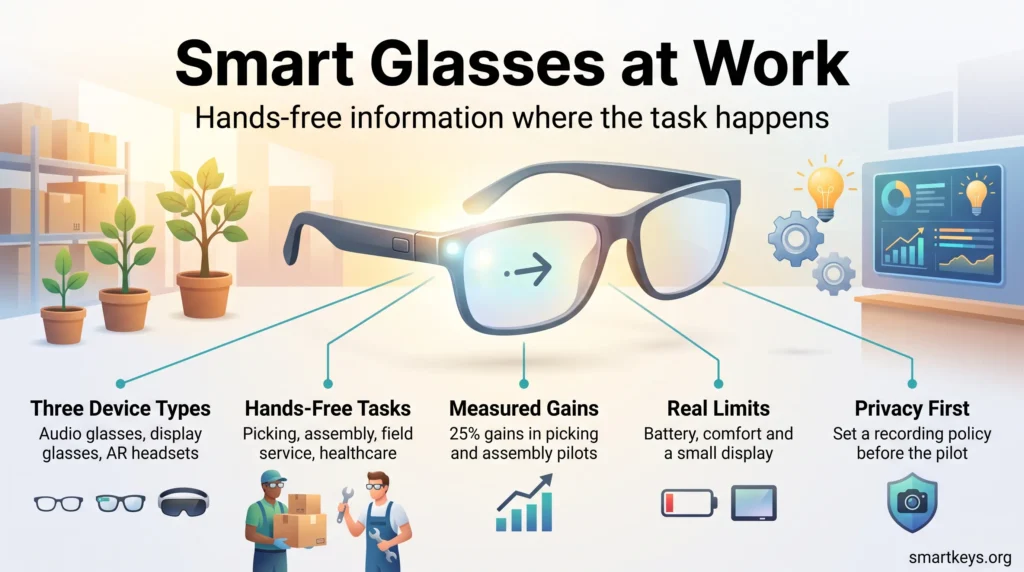
Smart Glasses for Work in 2026: Use Cases and Measured Results
Smart glasses shipped in millions in 2025. What they deliver at work in 2026: the…
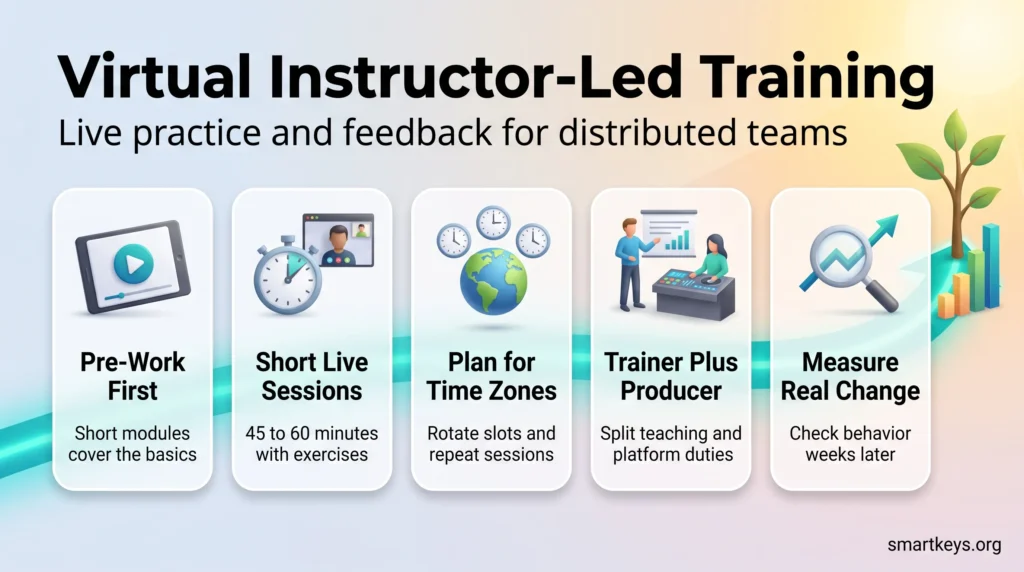
Virtual Instructor-Led Training for Distributed Teams: What Works
Virtual instructor-led training (VILT) is how most distributed teams get live practice and feedback. When…
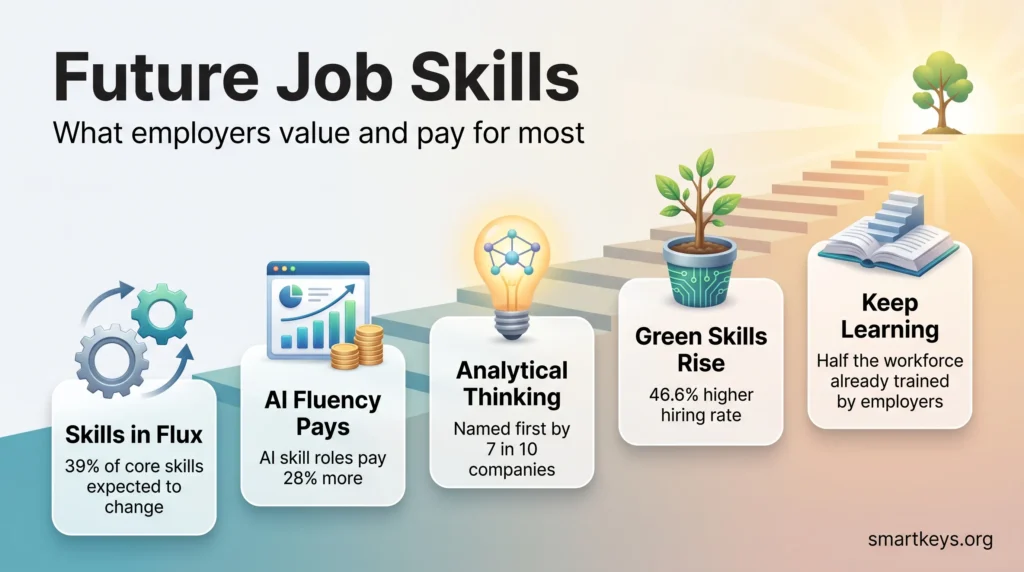
Future Job Skills: Which Skills Will Be Most In Demand?
Which skills employers actually pay for in 2026: the WEF's 39% skills-change figure, the 28%…
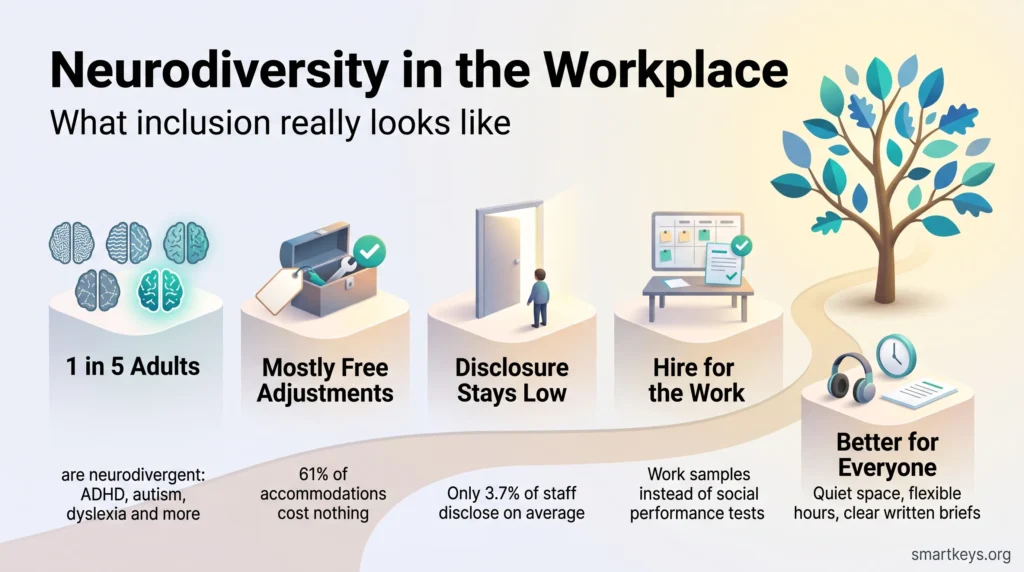
Neurodiversity in the Workplace: What Inclusion Looks Like in 2026
Neurodiversity at work in 2026: what accommodations really cost, why standard interviews filter out capable…
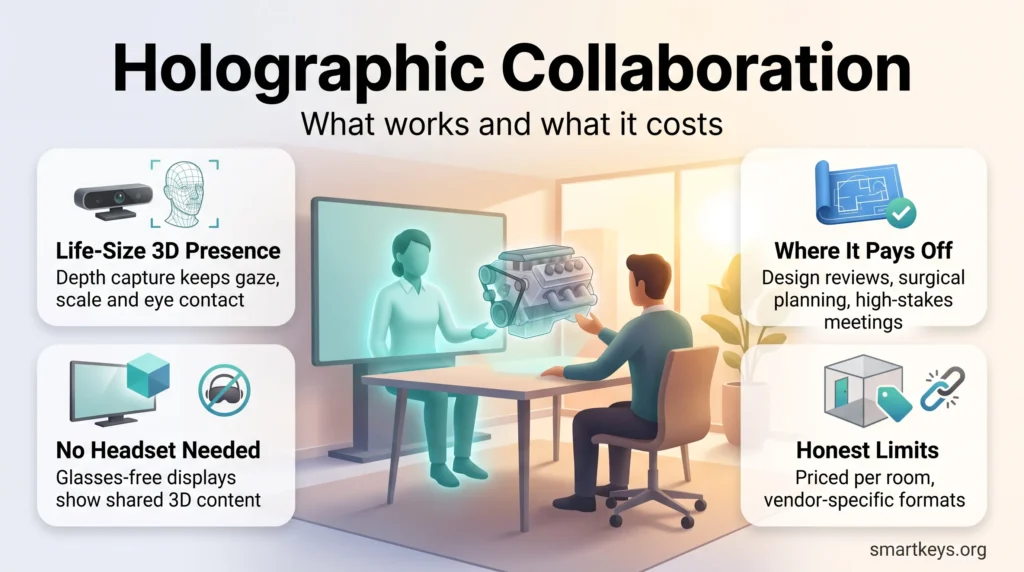
Holographic Collaboration in 2026: What Works and What It Costs
Holographic collaboration in 2026: what Google Beam and the $24,999 HP Dimension actually deliver, why…
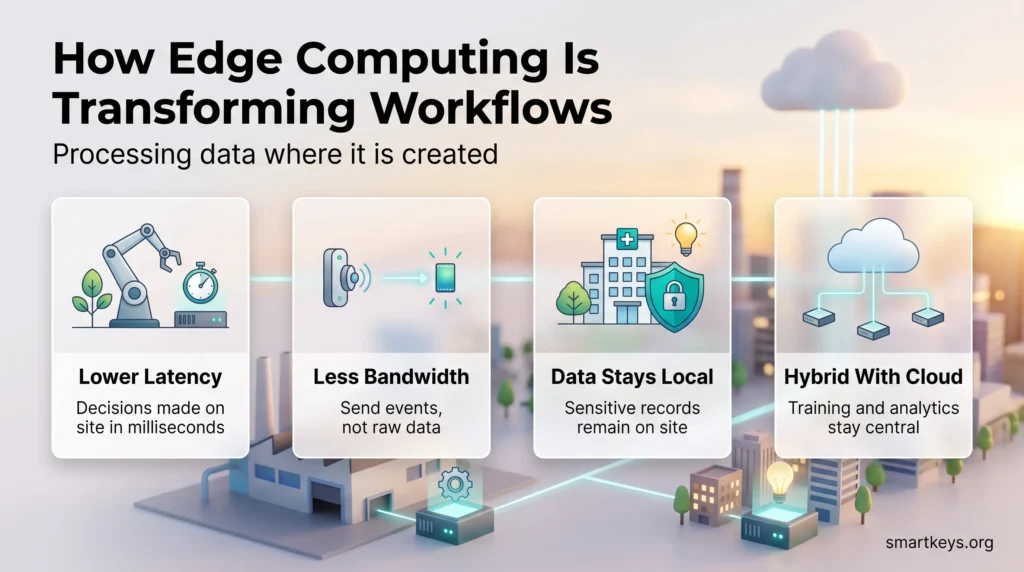
How Edge Computing Is Transforming Workflows in 2026
What edge computing actually delivers in 2026: market and device data, edge AI adoption figures,…
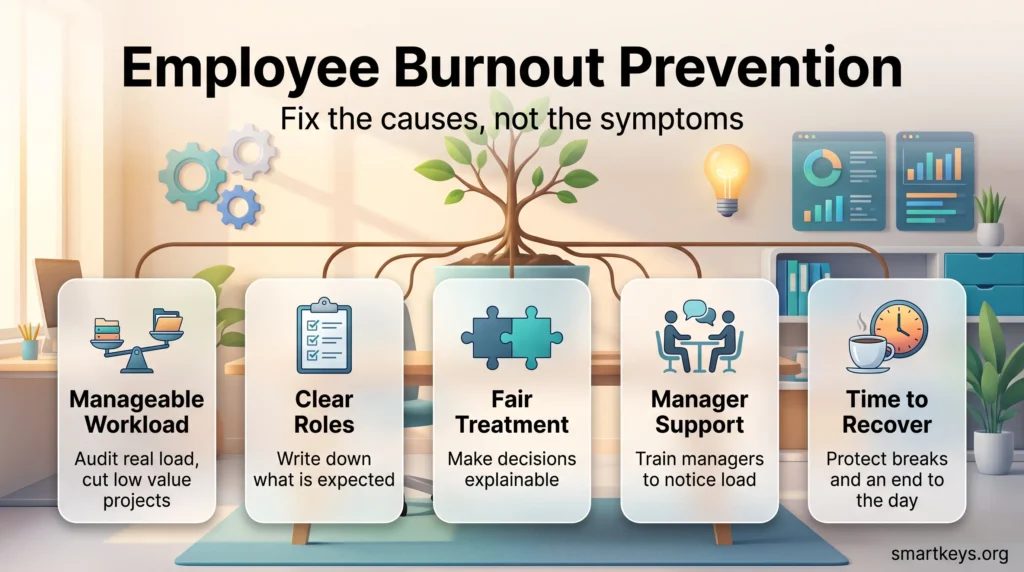
Employee Burnout Prevention: Causes, Costs and What Employers Can Do
Burnout is a workload and management problem before it is a mindset problem. What the…
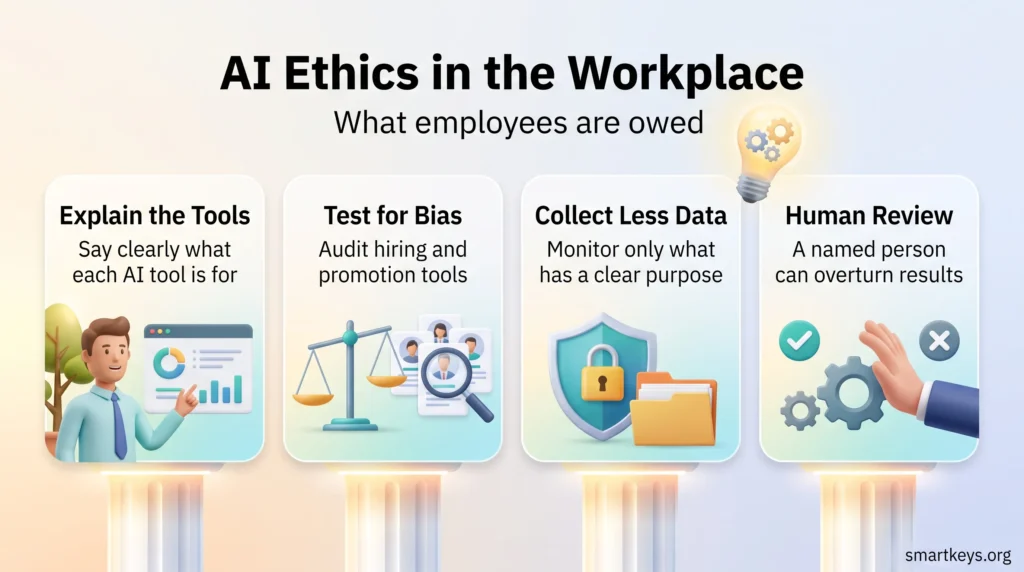
AI Ethics in the Workplace: What Employees Are Owed in 2026
AI ethics at work in 2026: what the Gallup and Stanford data actually show, the…
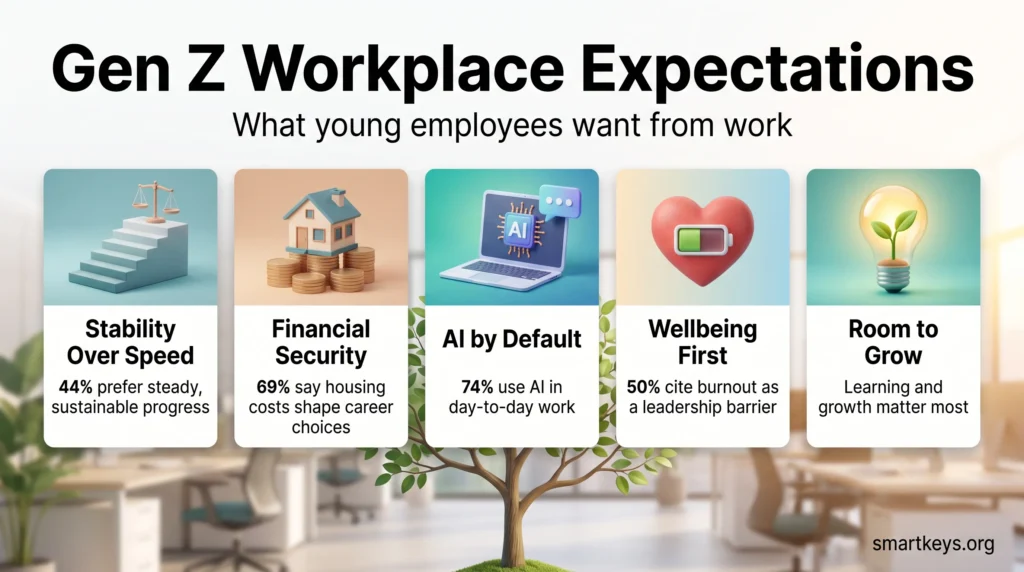
Gen Z Workplace Expectations: What Young Employees Want From Work
What Gen Z actually wants from work in 2026: the Deloitte and Gallup data on…
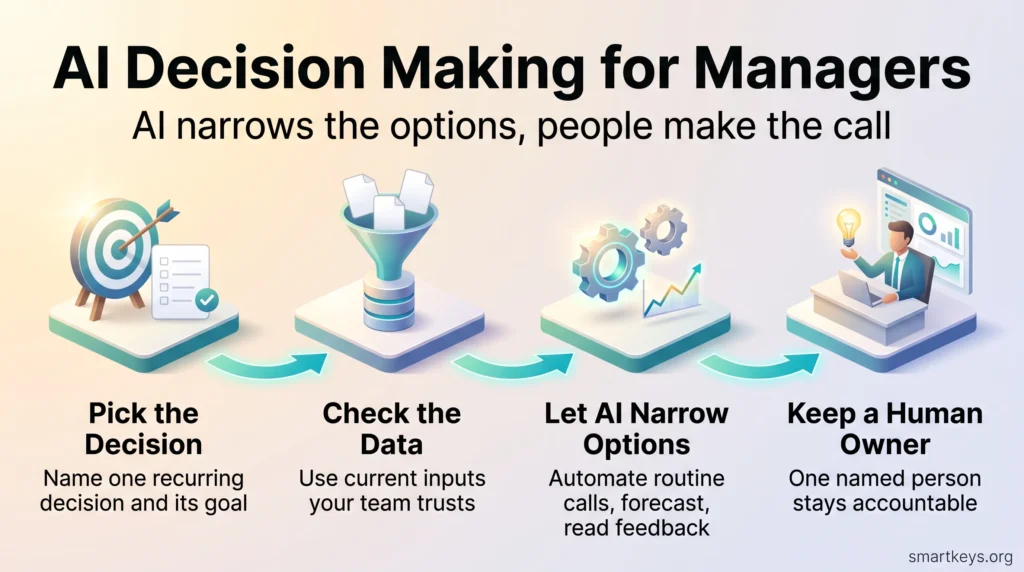
AI Decision Making in 2026: How Managers Use It Well
How managers use AI for business decisions in 2026: what the McKinsey, Gartner and Deloitte…
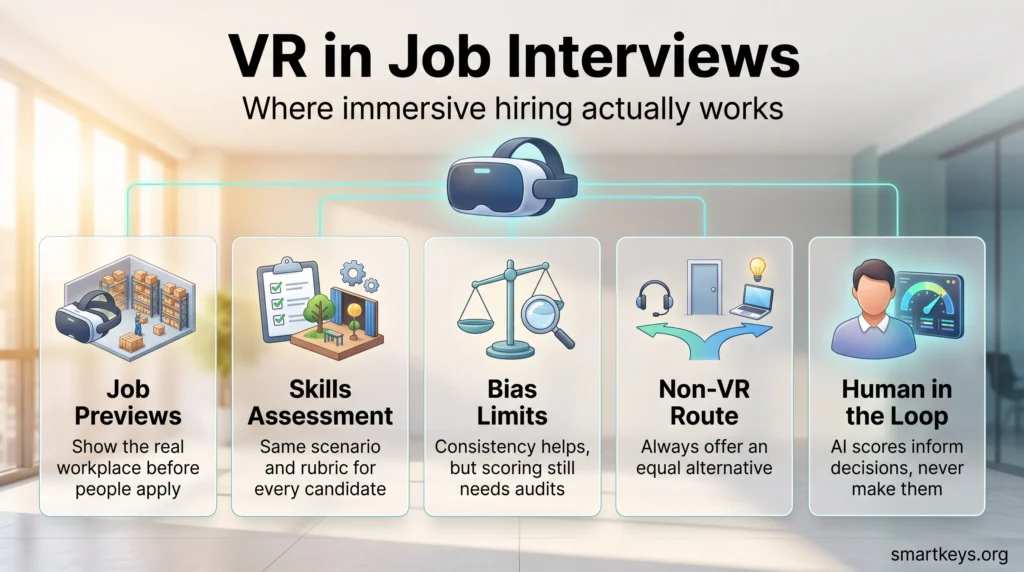
Virtual Reality in Job Interviews: What Works in 2026
Full VR job interviews are still rare. Where immersive assessment actually works in 2026, what…
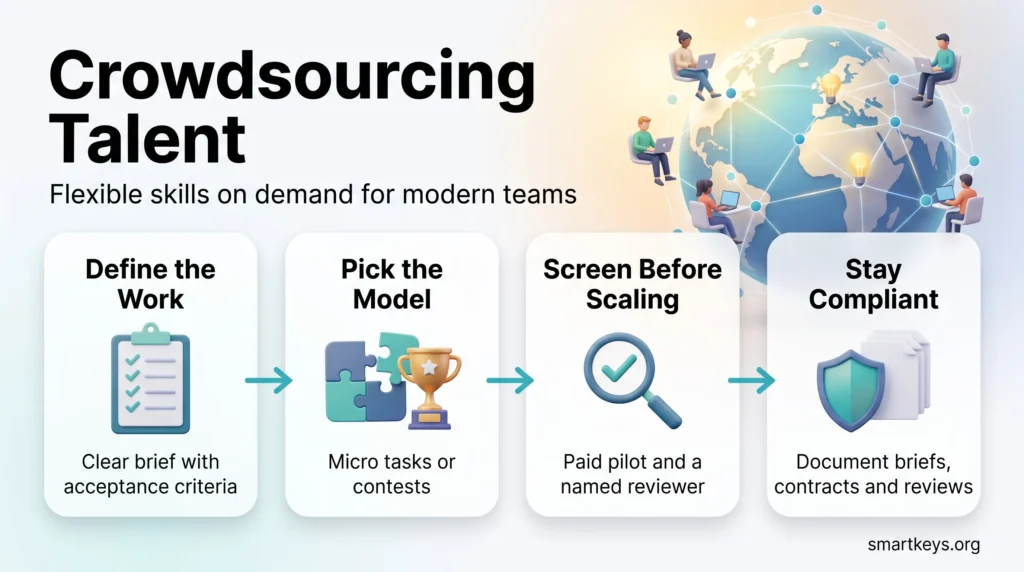
Crowdsourcing Talent in 2026: A Guide to Workforce Flexibility
Crowdsourcing talent in 2026: the two models that work, what it really costs, how to…