Tools
Tools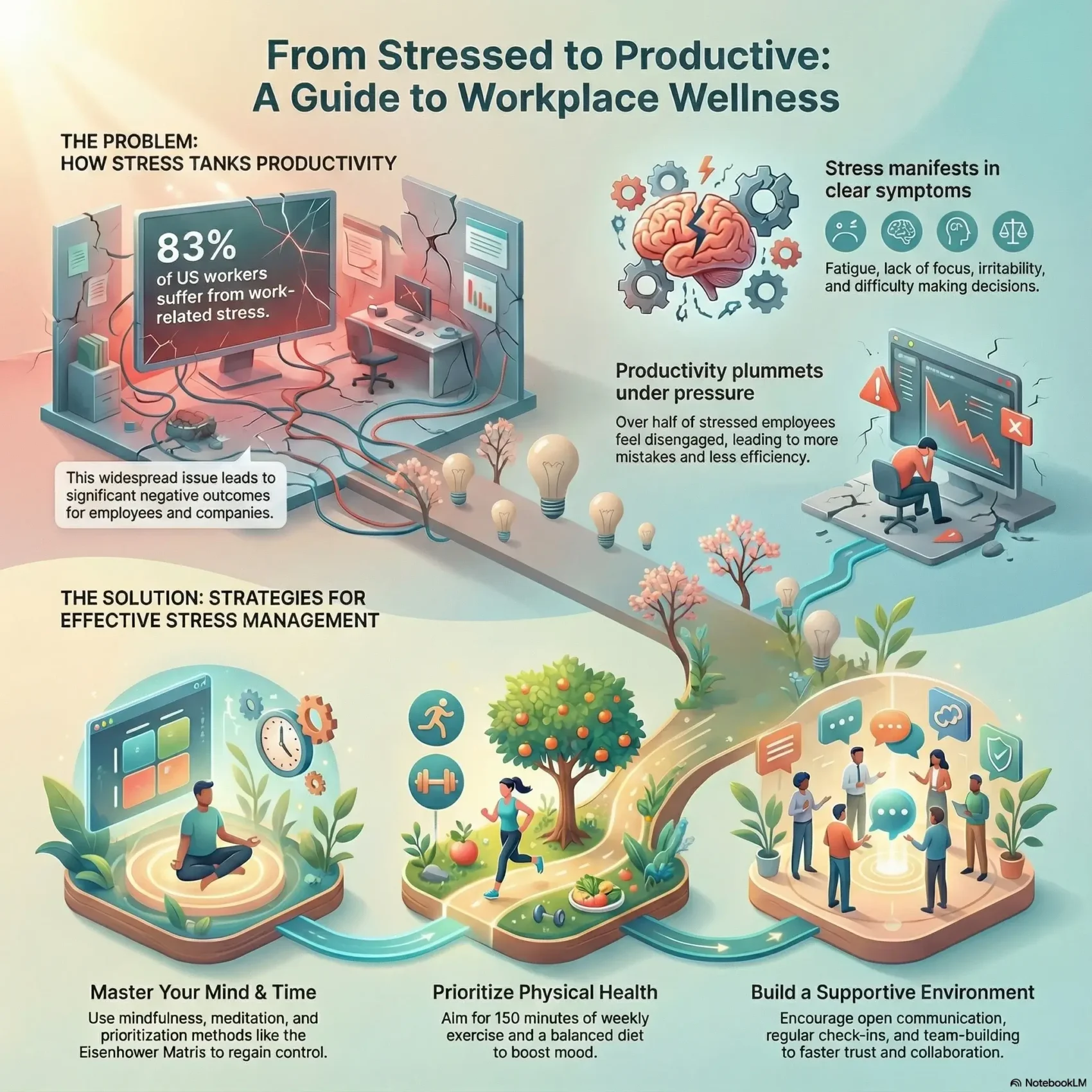
Last Updated on January 3, 2026
In today’s fast-paced work environment, effective stress management is vital for boosting productivity and enhancing workplace wellness. Recognizing the link between stress and performance allows you to proactively foster a healthier work environment. By adopting techniques for stress relief, you not only preserve your mental health but also elevate job satisfaction and reduce turnover rates.
Studies indicate that a significant number of employees face high daily stress levels, which severely affects their productivity. By focusing on practical methods for coping with stress, you can empower yourself to excel in high-pressure scenarios. This article will delve into effective strategies that aid in stress management and performance enhancement.
Key Takeaways
- Understanding stress’s impact is essential for boosting workplace productivity.
- Adopting effective stress management techniques leads to improved job satisfaction.
- Engaging in daily stress relief activities can enhance overall performance.
- Enhancing workplace wellness requires a collective approach among employees and management.
- Effective coping mechanisms help combat stress-related challenges and reduce turnover rates.
Understanding the Link Between Stress and Productivity
Stress has a profound impact on your performance at work. It not only affects your mental health but also your productivity. Studies show that about 83 percent of Americans feel stressed due to work, leading to various negative outcomes.
The Impact of Stress on Performance
High stress levels can significantly affect you. The stress effects include burnout, which reduces your energy and focus. This can lower the quality of your work. A recent study found a strong link between stress and lower performance scores.
When faced with too much stress, your ability to achieve your goals decreases. This leads to a decline in productivity.
How Productivity Drops with Increased Stress Levels
More than half of employees feel disconnected from their work due to stress. This disengagement hinders workplace productivity. Stress makes multitasking harder, often resulting in mistakes and less efficiency.
Teamwork can improve productivity by sharing tasks and resources. However, high stress levels can disrupt these efforts. Chronic stress also leads to physical health issues like hypertension and anxiety, making it harder to stay productive. For better workload management, consider using task management techniques that help balance and efficiency.
Recognizing Signs of Stress in the Workplace
Understanding stress in the workplace is vital for ensuring employee wellbeing. Identifying workplace stress symptoms can greatly enhance both individual and organizational health. With many employees citing job stress as a major life stressor, it’s essential to recognize these symptoms to prevent long-term mental health issues.
Common Symptoms and Their Effects
Employees may show various symptoms of psychological stress, affecting their productivity and emotional wellbeing. Common workplace stress symptoms include:
- Fatigue and exhaustion, often leading to decreased performance
- Lack of focus, making it challenging to complete tasks
- Irritability, which can affect relationships with colleagues
- Difficulty in making decisions, resulting in stalled progress
- Physical complaints such as headaches and digestive issues
Recognizing these signs enables organizations to act swiftly, creating a healthier work environment. Stress management initiatives can boost employee wellbeing, building resilience against future pressures.
Understanding How Stress Affects Your Mental Health
High stress levels can lead to significant mental health issues, including anxiety and depression. Chronic workplace stress not only harms emotional wellbeing but can also worsen physical health, like high blood pressure and immune system problems. It’s crucial to understand the link between stress and mental health to develop effective support systems at work.
Employers play a key role in fostering an environment that addresses these issues. By offering counseling services and wellness programs, employees can manage their stress proactively. Open discussions about mental health help break down stigmas and encourage seeking help when needed.
Stress Management Techniques for Employees
In today’s fast-paced work environment, many employees face high stress levels. It’s vital to use effective stress reduction techniques to create a more productive atmosphere. By adopting various coping strategies, individuals can better handle workplace challenges.
Effective Coping Strategies for Reducing Stress
Adopting effective coping strategies can greatly improve your stress management skills. Begin by prioritizing tasks and delegating responsibilities when feasible. It’s crucial to maintain a balance between work and personal life. Consider taking regular breaks or short walks during your day. Simple actions like deep breathing can refresh your mind and lower stress levels. These small changes can lead to significant improvements in your overall well-being.
The Role of Mindfulness and Meditation in Stress Reduction
Integrating mindfulness practices into your daily routine can have significant benefits. Engaging in meditation not only enhances focus but also reduces anxiety. You can start with simple techniques, such as taking five deep breaths to set a positive tone for your day. Meditation improves mental clarity and emotional resilience. Regular mindfulness practices can lead to long-term stress relief, promoting a healthier and more engaged workforce.
Physical Health and Its Role in Stress Management
Keeping your physical health in check is key to managing stress well. Regular exercise offers numerous benefits and boosts your overall well-being. The Department of Health and Human Services suggests that adults aim for 150 minutes of moderate aerobic activity or 75 minutes of vigorous activity each week. Even short periods of physical activity help your mental health by easing stress and cutting down anxiety and depression symptoms.
How Exercise Can Reduce Stress Levels
Exercise is a strong ally against stress. It can enhance sleep quality and boost self-confidence. It releases endorphins, which are the body’s natural mood boosters, making you feel happy and relaxed. Moreover, interval training, with its short, intense activity bursts, is effective in providing exercise benefits. Staying active not only improves physical health but also significantly lowers stress levels.
Nutrition Tips to Combat Stress
Your diet is crucial for managing stress effectively. Healthy eating habits can lessen the stress impact on your well-being. Foods rich in omega-3 fatty acids, antioxidants, and vitamins are key. These nutrients positively affect mental health and prevent stress-related dietary habits. Cutting down on caffeine and sugar is also vital, as they can increase anxiety. Workplace nutrition and stress initiatives help employees make better dietary choices for improved health.
Stress Management Programs for Organizations
For organizations, setting up effective stress management programs is key to boosting employee wellness. With 80% of workers feeling stressed at work, it’s vital to have workplace health initiatives. These initiatives not only improve productivity but also enhance morale, helping employees to excel.
Implementing Company-Wide Wellness Initiatives
Creating company-wide wellness initiatives requires a variety of strategies to enhance workplace support. This includes workshops on stress management, fitness challenges, and mental health resources. It’s also crucial to provide clear goals and roles for employees, which reduces ambiguity and stress.
The Importance of Providing Resources for Employees
Offering employee resources is crucial for managing workplace stress. Nearly half of workers need help in managing stress. By providing access to mental health professionals, stress management workshops, and peer support, organizations can meet employee needs effectively. This investment in wellness boosts morale, lowers turnover rates, and reduces absenteeism.
In conclusion, a comprehensive approach to stress management is essential. By focusing on wellness initiatives and providing adequate resources, companies can create a healthier workplace. This leads to better productivity and overall employee satisfaction.
Workplace Stress Management Strategies
Creating a productive and healthy workforce begins with a supportive workplace. By implementing strategies that boost employee engagement and foster a stress-friendly environment, organizations can significantly reduce workplace stress.
Creating a Supportive Work Environment
A supportive work environment is crucial for employee success. Encouraging open dialogue among team members enhances collaboration and trust. When employees feel secure sharing their concerns, they can better address stressors. To improve support, consider these strategies:
- Facilitate regular check-ins where employees can discuss their workloads and stress levels.
- Incorporate team-building activities that strengthen bonds and promote positive interactions.
- Encourage participation in stress management dialogue to identify collective solutions.
Encouraging Open Communication Among Teams
Enhancing open communication improves team dynamics, creating a culture where challenges are shared freely. Regular team meetings allow members to discuss their difficulties. Here are some tips:
- Establish an environment where feedback is welcomed and valued.
- Promote transparency by sharing challenges and successes within the team.
- Highlight the importance of mental health initiatives and resources available to everyone.
By focusing on these strategies, you can help create a workplace that values mental well-being and effectively manages stress.
Prioritization and Time Management Skills
Mastering task prioritization and effective time management significantly impacts your daily responsibilities. With 80% of people feeling stressed at work, it’s crucial to use effective time management techniques. These methods improve productivity and reduce anxiety. A structured approach also leads to a healthier work-life balance.
How to Effectively Prioritize Your Tasks
Organizational techniques like the Eisenhower Matrix help categorize tasks by urgency and importance. Tasks are divided into four clear categories:
- Urgent and Important
- Important but Not Urgent
- Urgent but Not Important
- Neither Urgent Nor Important
This method ensures you focus on what’s most critical. Keeping a prioritized to-do list maximizes productivity and clarifies what needs immediate attention. A well-organized plan streamlines your workflow and reduces stress.
Techniques for Better Time Management
Various productivity strategies can greatly enhance your time management. The Pomodoro Technique involves focused work intervals of about 25 minutes, followed by short breaks. This approach maintains concentration and provides necessary downtime, boosting productivity and reducing overwhelm.
Planning ahead and breaking down large goals into smaller steps also increases efficiency. Logging your time reveals how you spend your day, helping you identify and eliminate time-wasting habits. Aim for 30 to 60 minutes of daily activity to improve both physical and mental health.
Handling Difficult Situations with Ease
Every workplace comes with its unique set of challenges. Mastering the art of handling workplace conflicts and managing overwhelming workloads is crucial for your stress management and productivity under pressure. Understanding conflict resolution dynamics and effective workload management strategies can transform your work environment into a peaceful and productive space.
Managing Conflict in the Workplace
Workplace conflicts are a common occurrence and can escalate stress if not addressed. Engaging in conflict resolution training promotes a culture where open dialogue is encouraged. This approach fosters healthy relationships among colleagues, making it simpler to tackle issues promptly.
Positive self-talk proves to be a potent tool in navigating workplace tensions. Viewing stressful situations as challenges rather than threats enables better resource mobilization and outcome improvement. It’s important to note that avoiding conflict can actually increase stress and anxiety over time.
Dealing with Overwhelming Workloads
Overwhelming workloads can lead to stress and decreased productivity. To combat this, consider dividing your tasks into smaller, more manageable parts. Setting realistic deadlines helps you regain control. It’s also beneficial to discuss any stressors related to workload with your team.
Moreover, adopting a balanced approach between living in the moment and planning your tasks can boost resilience. Engaging in stress management activities like meditation and exercise can also help maintain focus and calmness during hectic periods.
Stress Management Activities You Can Do Daily
Incorporating relaxation techniques into your daily life can foster a calm mind and bolster resilience against stress. Engaging in simple daily stress relief activities can make a substantial difference in how you experience and manage stress. With consistent practice, these mindfulness strategies can help enhance your overall well-being.
Engaging in Relaxation Techniques
Integrating relaxation techniques into your day can greatly reduce stress. Consider trying practices such as:
- Deep breathing exercises: These can ground you and lower stress hormones.
- Yoga: Particularly Hatha yoga, it promotes relaxation through gentle movements and mindfulness.
- Guided imagery: A mental visualization technique that helps substitute stress-inducing thoughts with calming images.
- Listening to music: Allows you to unwind while reducing muscle tension and promoting positive emotions.
- Coloring complex designs: Engaging in this creative activity can alleviate anxiety and enhance focus.
Setting Up a Daily Routine for Success
Establishing structured daily routines contributes to effective time management and promotes stability in your life. Routines create a sense of order, lessening the chaos that causes stress. Try incorporating the following success strategies into your productivity schedules:
- Set specific times for waking and sleeping: Aim for 7 to 9 hours of sleep each night for optimal functioning.
- Prioritize healthy eating: Include mood-regulating foods in your diet, such as eggs and avocados, to help combat stress levels.
- Include physical activity: Regular exercise boosts endorphins and significantly enhances mental well-being.
- Write down your thoughts: Keep a journal to release pent-up emotions and reflect on your day.
- Engage in leisure activities: Participate in hobbies that promote relaxation, contributing positively to your mental health.
Conclusion
Managing stress is crucial for boosting productivity at work. By understanding stress and its effects on performance, you can start using effective stress management strategies daily. Committing to ongoing stress management can greatly improve your academic and mental health, similar to a study at Shahed University of Tehran showed.
Recognizing stress early and creating a supportive work environment is key. Engaging in life skills training, wellness initiatives, and coping strategies will significantly enhance productivity. Better time management and resilience through relaxation techniques lay the groundwork for lasting success.
Integrating these practices into your life helps counteract stress’s negative effects, fosters a more engaged mindset, and positively impacts your workplace. Remember, starting to manage stress can lead to a healthier, more rewarding career.