

Future of Work
The future of work is no longer a forecast — it is already showing up in AI-assisted hiring pipelines, four-day workweeks, teams spread across a dozen time zones, and job titles that did not exist five years ago. Smart Keys tracks that shift and translates it into decisions you can actually make.
AI and automation at work. Where algorithms genuinely augment human judgment, where they replace it, and how to govern both. We cover AI in recruitment and performance management, algorithmic management ethics, automation risk assessment, and the governance frameworks companies need before deployment, not after.
Remote, hybrid and distributed teams. Practical guidance on hybrid work policies, asynchronous collaboration, proximity bias, digital nomad rules, cross-border payroll, and the security questions that come with working from anywhere.
Skills and careers. Upskilling and reskilling strategies, micro-credentials, mid-career retraining, career lattices, and the human capabilities — judgment, communication, adaptability — that stay valuable as tools change.
Workplace tech and culture. VR training, wearables, robotics, workforce analytics, employee experience platforms, and the wellbeing, inclusion and right-to-disconnect questions each one raises.
Policy and the bigger picture. Gig economy regulation, data privacy law, universal basic income debates, and how governments are rewriting the rules of employment.
Whether you lead a team, run HR, or are planning your own next decade of work, start here.
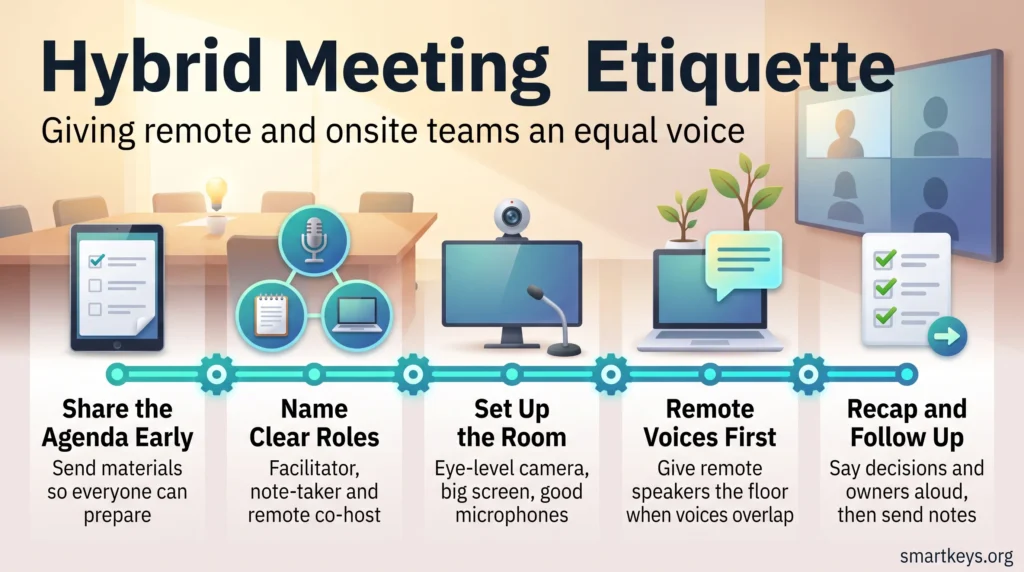
Hybrid Meeting Etiquette: Giving Remote and Onsite Teams Equal Voice
Hybrid meetings are fair by design, not by accident. Agendas, named roles, room setup and…
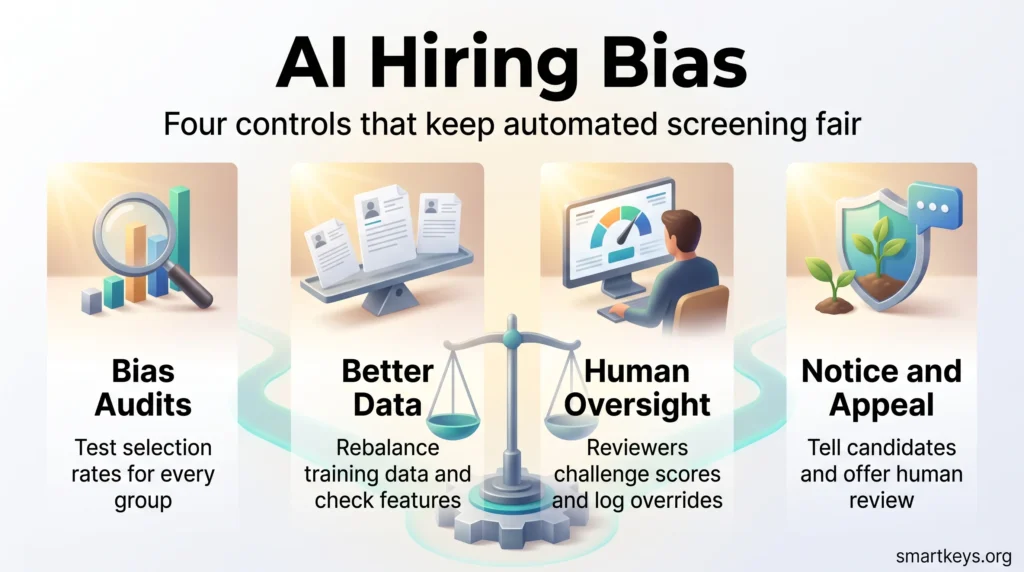
AI Hiring Bias in 2026: Ensuring Fairness in Recruitment Tools
AI hiring bias in 2026: what the University of Washington resume tests actually found, where…
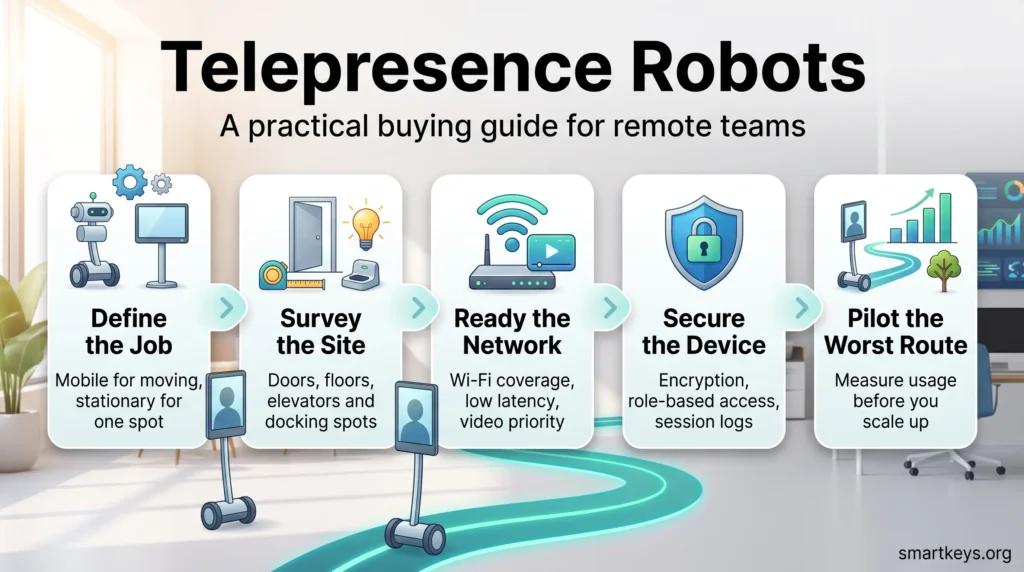
Telepresence Robots in 2026: A Practical Buyer’s Guide for Remote Teams
A telepresence robot is a screen on wheels that a remote person drives over the…
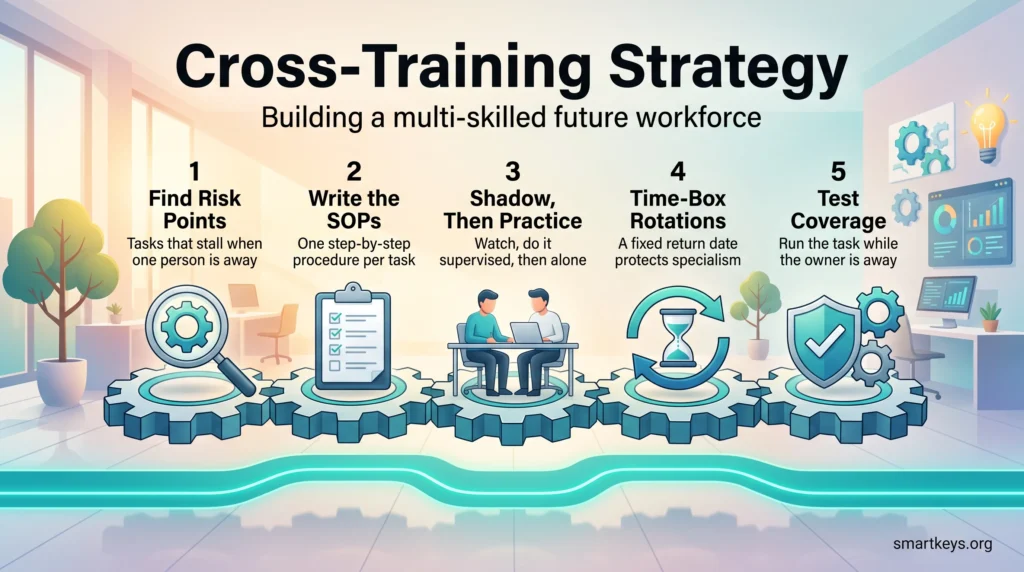
Cross-Training Strategy: Building a Multi-Skilled Future Workforce
Cross-training teaches an employee to cover specific tasks from a colleague's role, so the work…
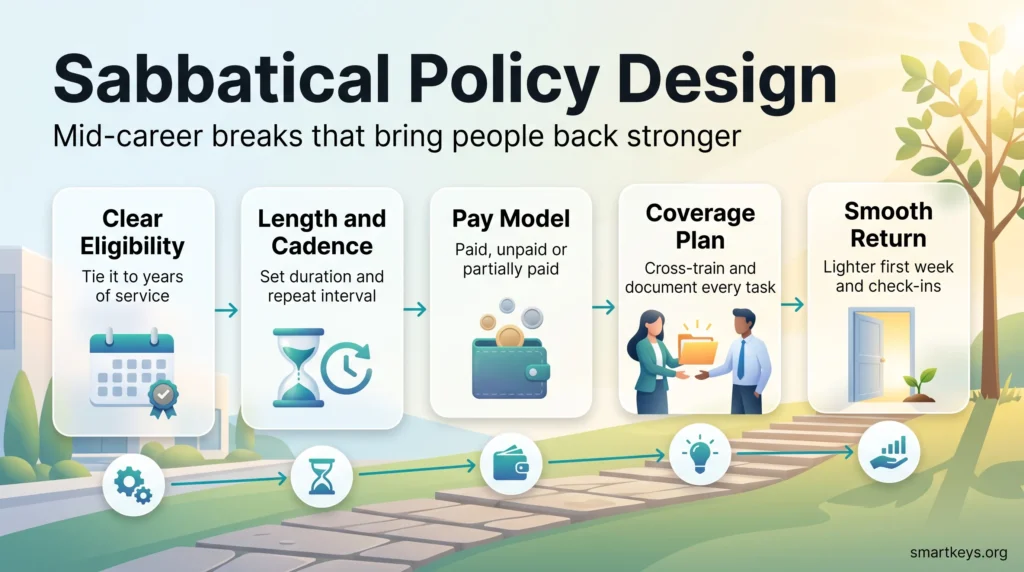
Sabbatical Policy: How to Design Mid-Career Breaks That Work
A sabbatical is a long, employer-approved break with an agreed return date. How to set…
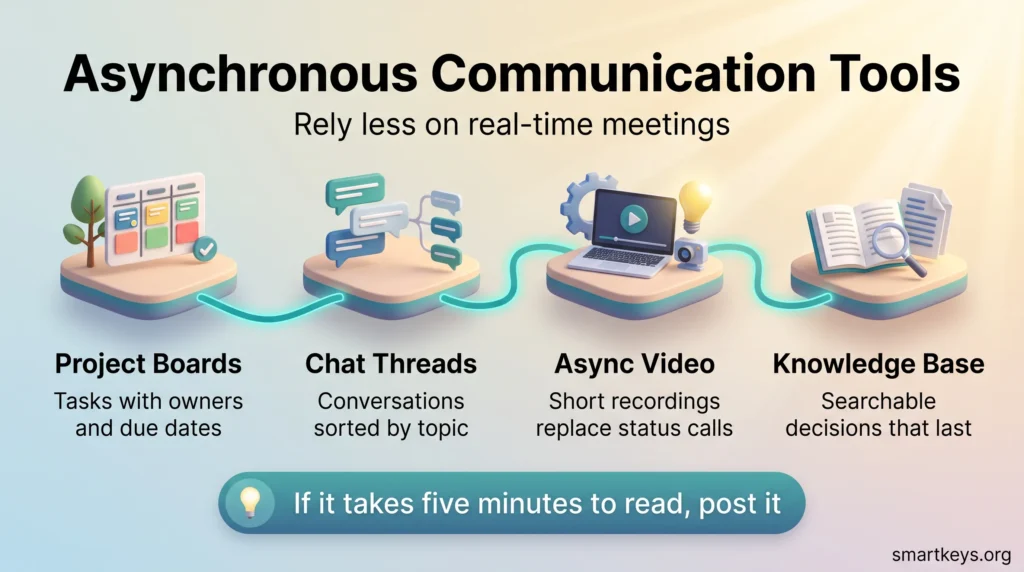
Asynchronous Communication Tools: Reducing Dependency on Real-Time Meetings
Replace routine status meetings with short recordings and written updates. What asynchronous communication really means,…

Upskilling ROI: Measuring the Impact of Employee Development Programs
Training is one of the easiest budget lines to cut, because its benefits usually stay…
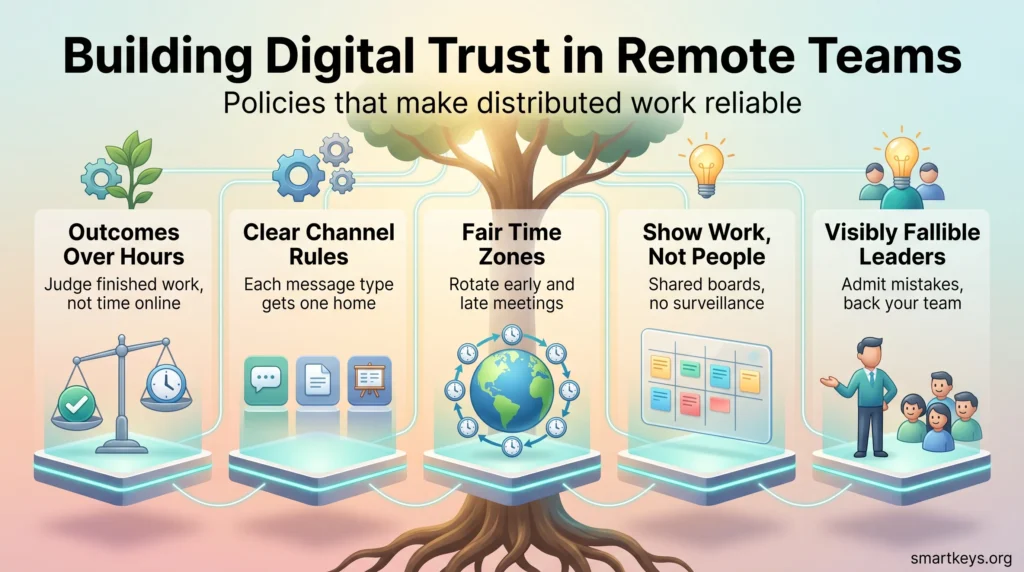
Building Digital Trust in Remote Teams: Policies and Best Practices
Remote teams do not build trust by accident. What digital trust actually means, why it…
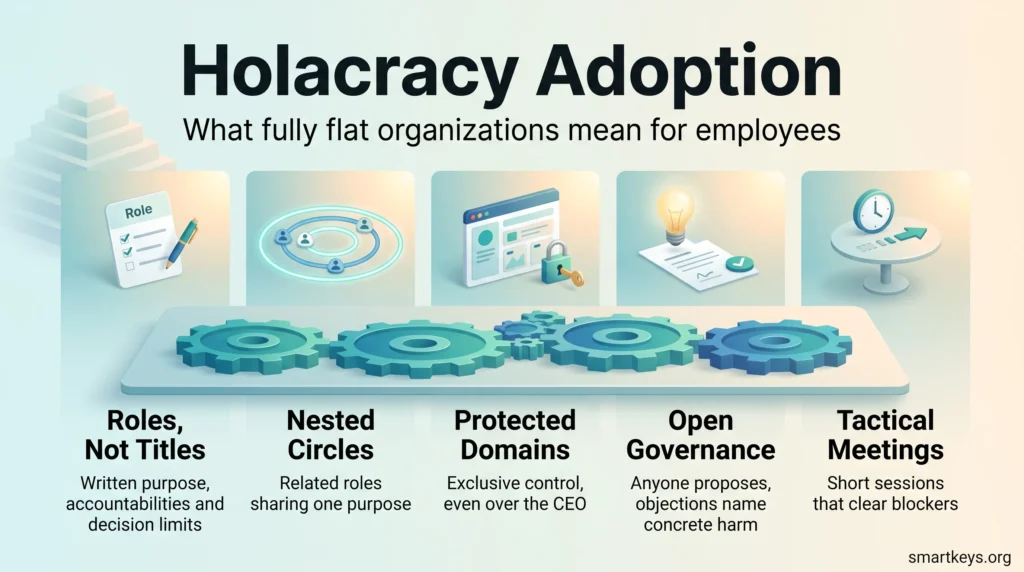
Holacracy Adoption 2026: What Fully Flat Organizations Mean for Employees
Holacracy in 2026: roles, circles and domains explained in plain language, plus current data on…
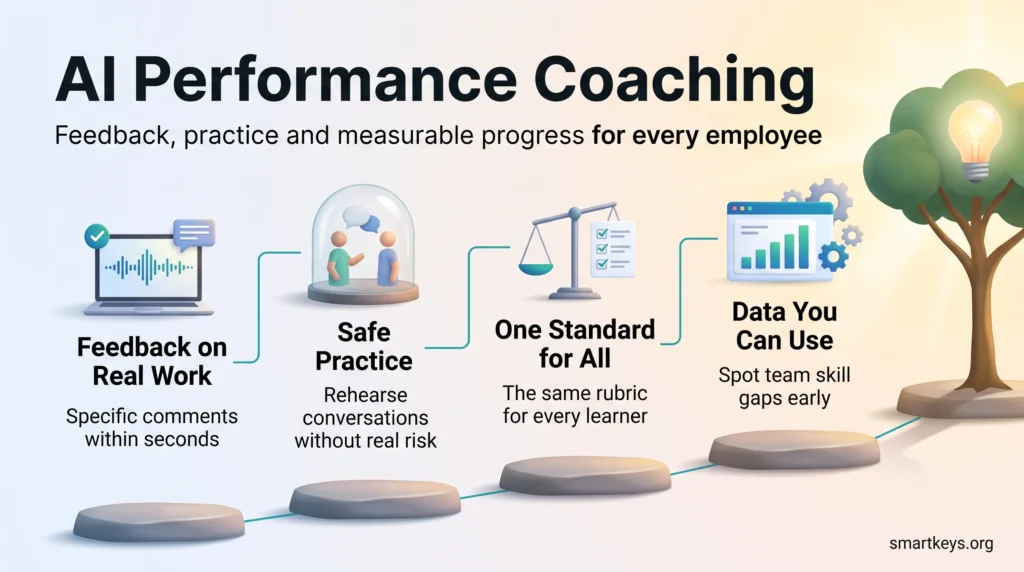
AI Performance Coaching: Personalized Productivity Feedback for Employees
AI performance coaching in 2026: what these tools actually do, what TalentLMS, Rocky.ai, CAISY, CoachHub…

Phased Retirement Programs: Transitioning Older Employees Gradually
A phased retirement program lets an experienced employee cut back to part-time hours instead of…
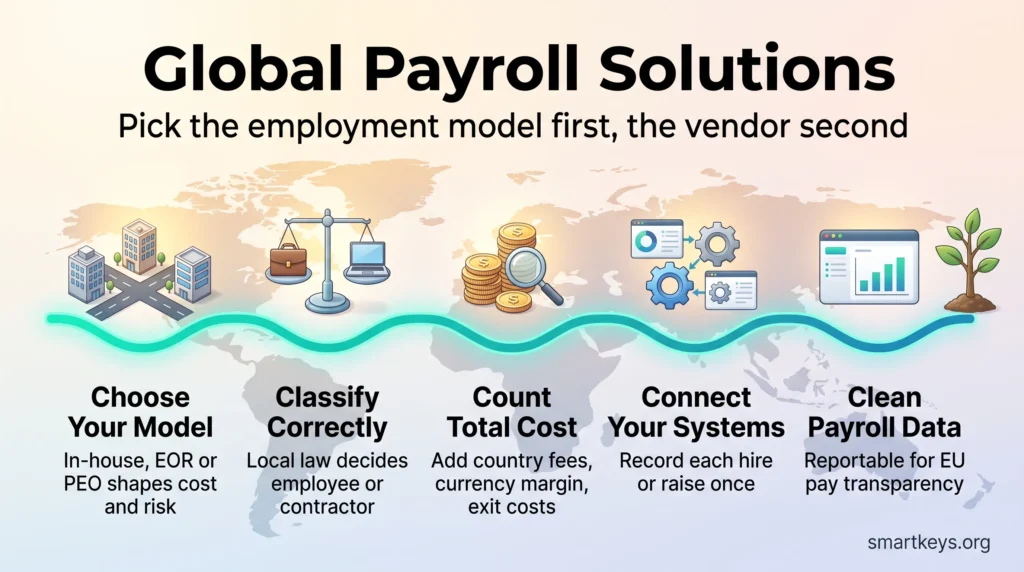
Global Payroll Solutions 2026: Providers, Pricing and Compliance
How global payroll works in 2026: the difference between in-house, EOR and PEO, what ten…