

Future of Work
The future of work is no longer a forecast — it is already showing up in AI-assisted hiring pipelines, four-day workweeks, teams spread across a dozen time zones, and job titles that did not exist five years ago. Smart Keys tracks that shift and translates it into decisions you can actually make.
AI and automation at work. Where algorithms genuinely augment human judgment, where they replace it, and how to govern both. We cover AI in recruitment and performance management, algorithmic management ethics, automation risk assessment, and the governance frameworks companies need before deployment, not after.
Remote, hybrid and distributed teams. Practical guidance on hybrid work policies, asynchronous collaboration, proximity bias, digital nomad rules, cross-border payroll, and the security questions that come with working from anywhere.
Skills and careers. Upskilling and reskilling strategies, micro-credentials, mid-career retraining, career lattices, and the human capabilities — judgment, communication, adaptability — that stay valuable as tools change.
Workplace tech and culture. VR training, wearables, robotics, workforce analytics, employee experience platforms, and the wellbeing, inclusion and right-to-disconnect questions each one raises.
Policy and the bigger picture. Gig economy regulation, data privacy law, universal basic income debates, and how governments are rewriting the rules of employment.
Whether you lead a team, run HR, or are planning your own next decade of work, start here.
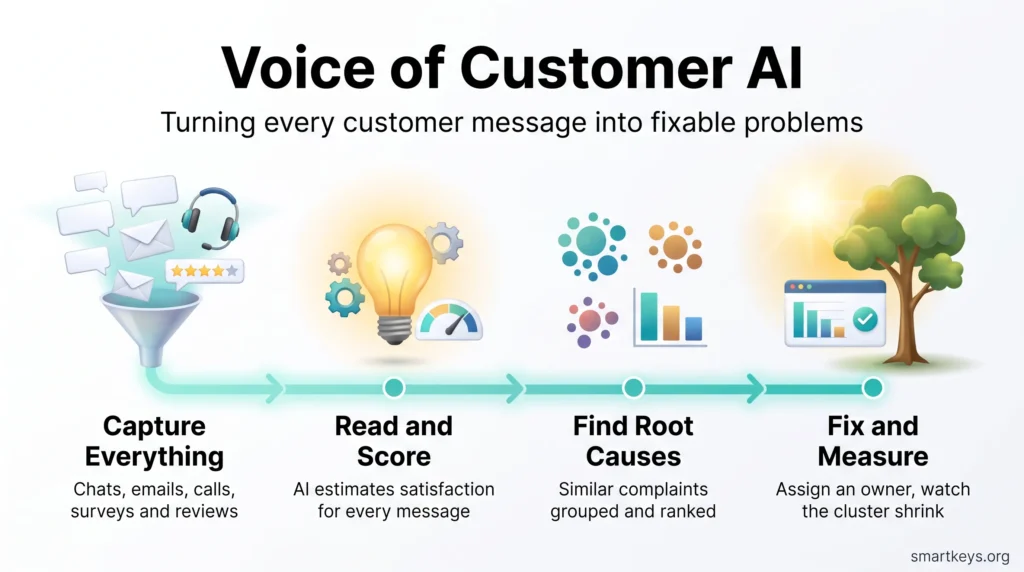
Voice of Customer AI: Analyzing Feedback at Scale to Drive Innovation
Voice of customer AI reads every support chat, survey answer and review, then turns them…
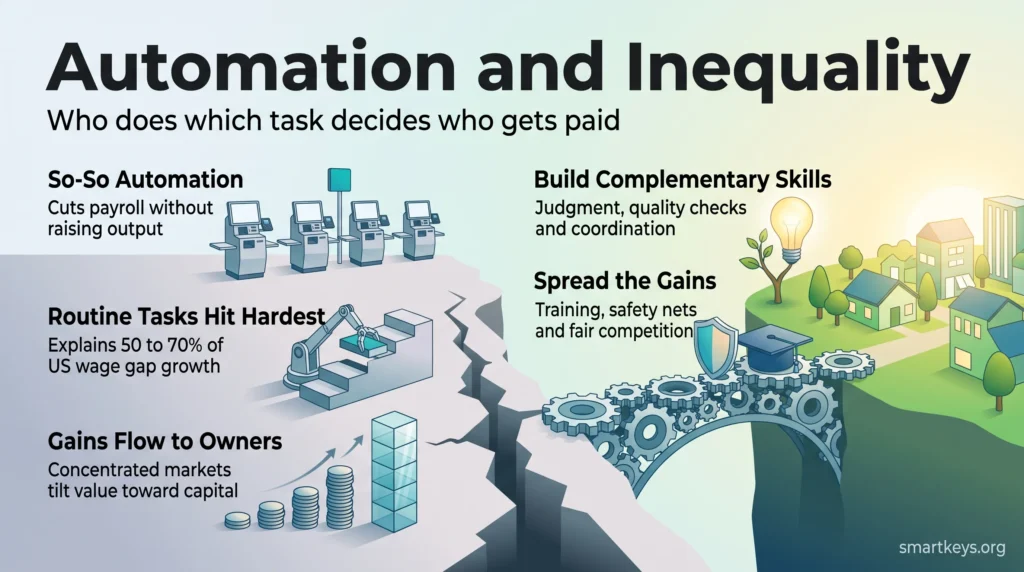
Automation and Inequality: Preventing Tech from Widening the Wealth Gap
Automation explains 50-70% of the rise in US wage gaps since 1980. What the research…
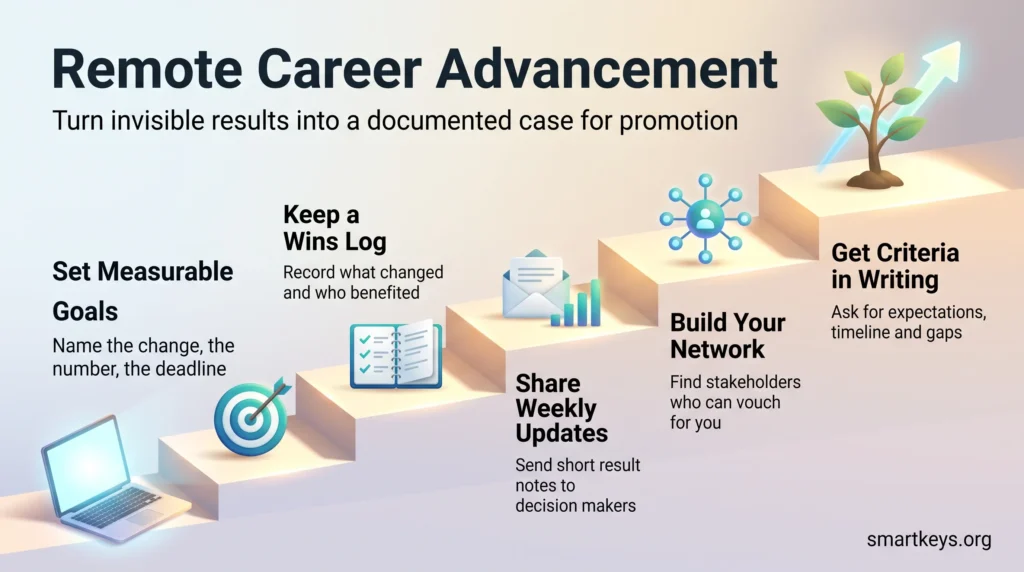
Remote Career Advancement: Ensuring Promotions and Visibility from Afar
Remote workers are promoted less often than office peers, even at equal output. What the…
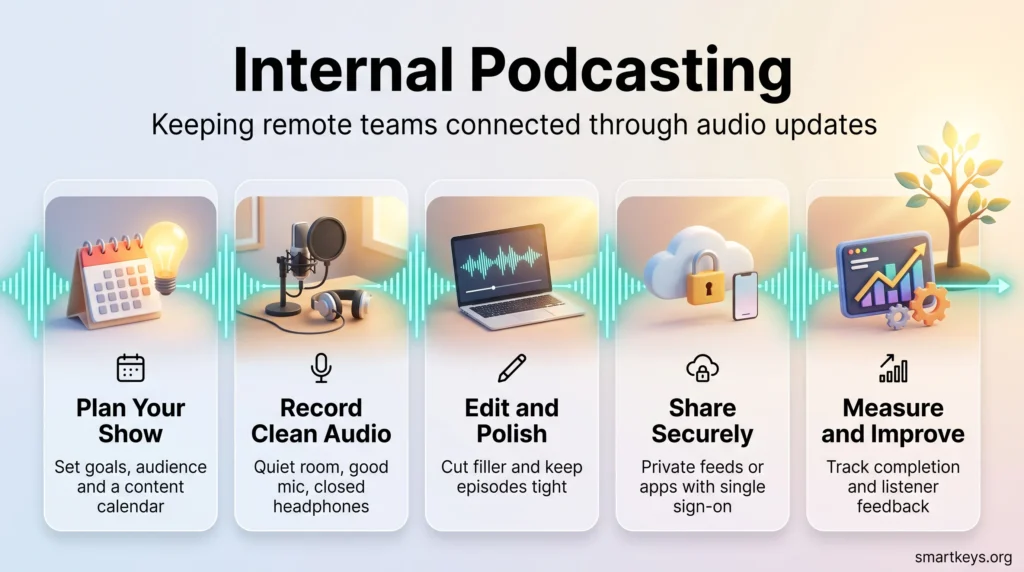
Internal Podcasting: Keeping Remote Teams Connected Through Audio Updates
Audio updates give your company a steady, human voice that travels well across remote and…
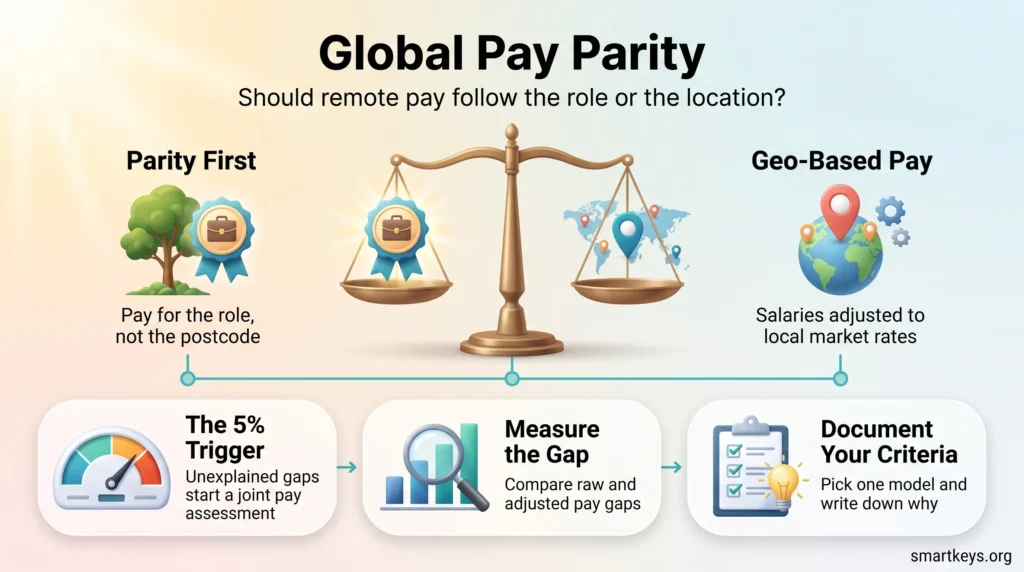
Global Pay Parity: Should Remote Workers Be Paid Based on Location?
Should remote workers be paid by where they live? This 2026 guide compares parity-first pay…
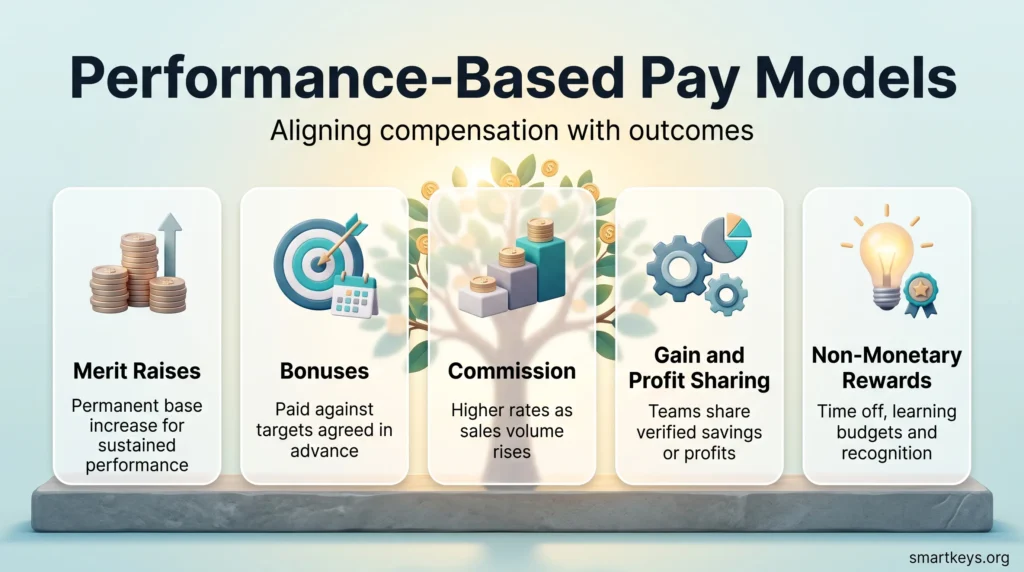
Performance-Based Pay Models: Aligning Compensation with Outcomes in Modern Work
Performance-based pay adds money on top of a fixed salary when someone hits an agreed…
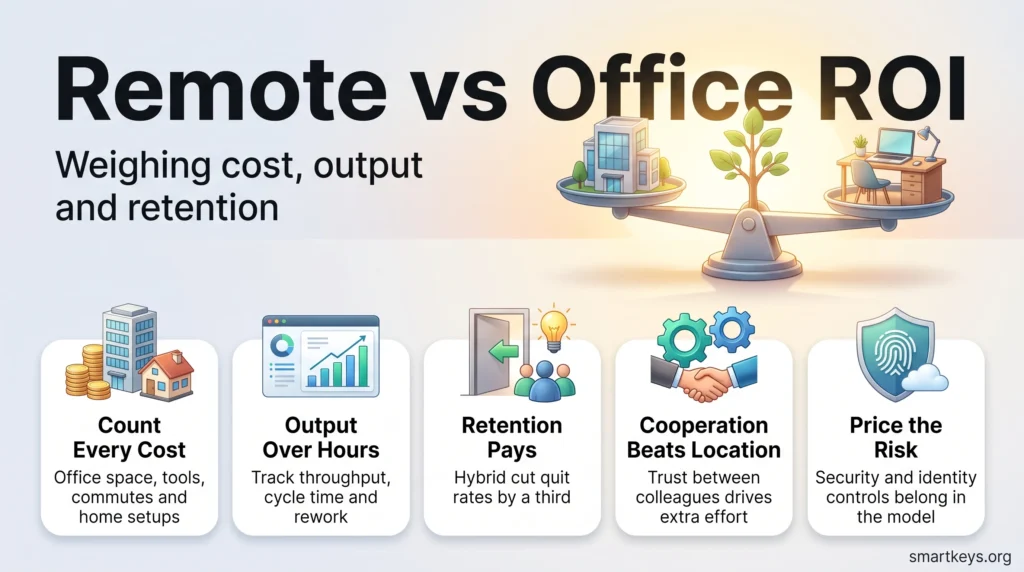
Remote vs. Office ROI in 2026: Cost and Productivity Trade-Offs
Compare remote, hybrid and office models on real numbers: 2026 cost drivers, the productivity metrics…
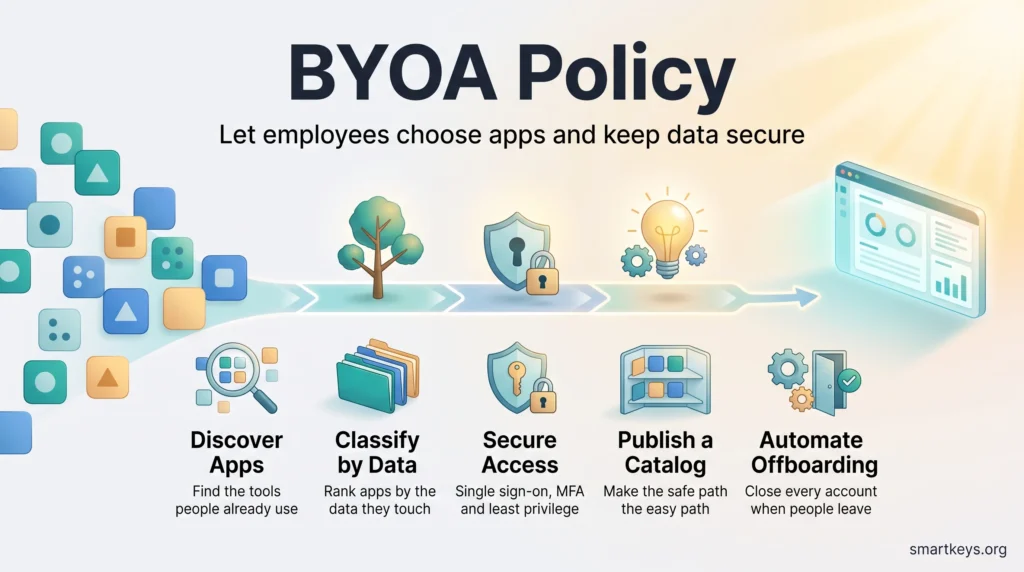
BYOA Policy: Embracing Employee-Preferred Apps While Maintaining Security
BYOA means employees choose their own work apps, and most already do. How to discover…
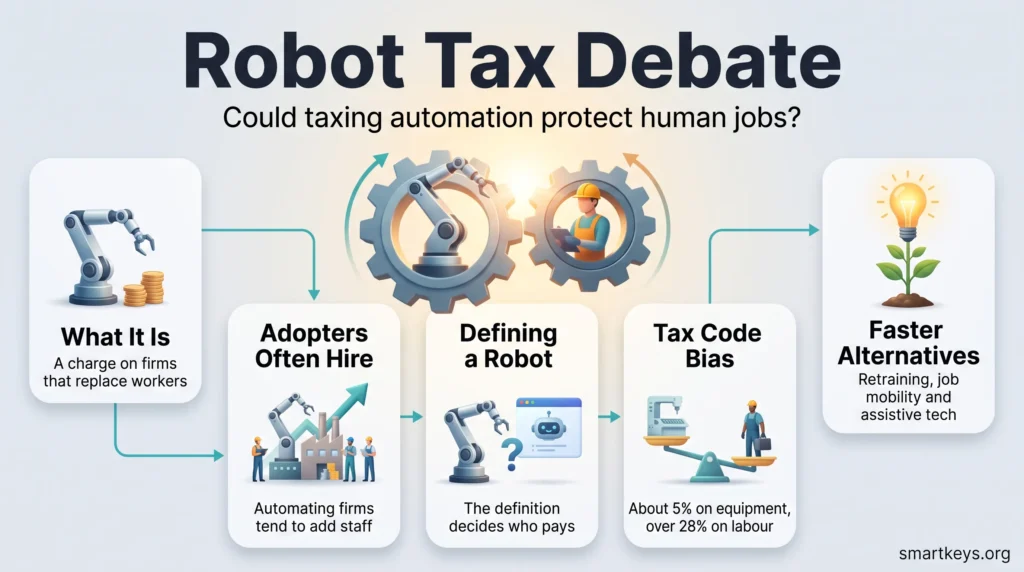
Robot Tax Debate: Could Taxing Automation Protect Human Jobs?
A robot tax charges companies that replace human work with machines. What the proposal would…
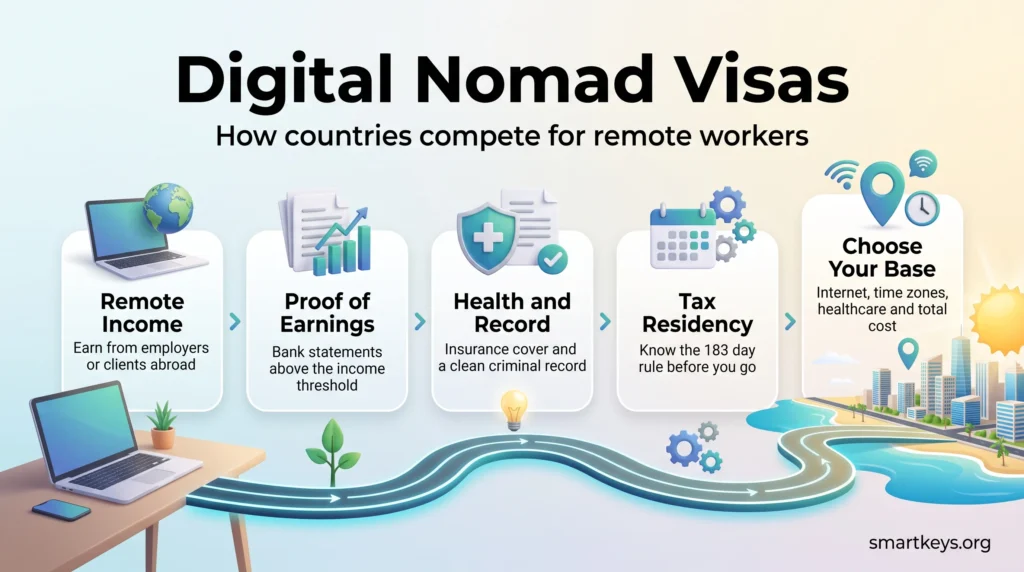
Digital Nomad Visas in 2026: How Countries Compete for Remote Workers
More than 70 countries now run a formal remote work visa. What the 2026 income…
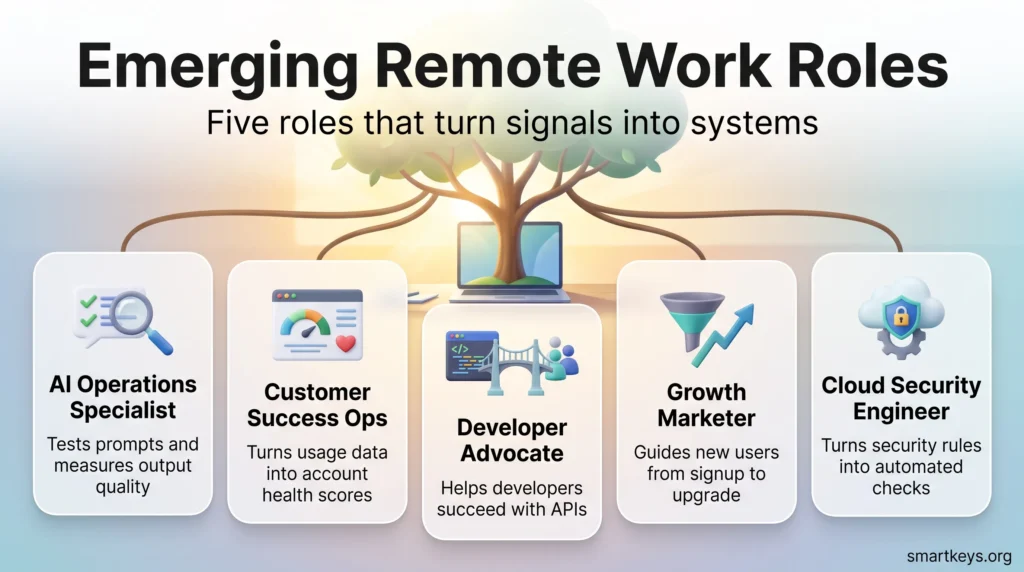
5 Emerging Remote Work Roles in 2026 That Could Shape the Future
Remote work is stable at about a quarter of US workdays, but remote hiring is…
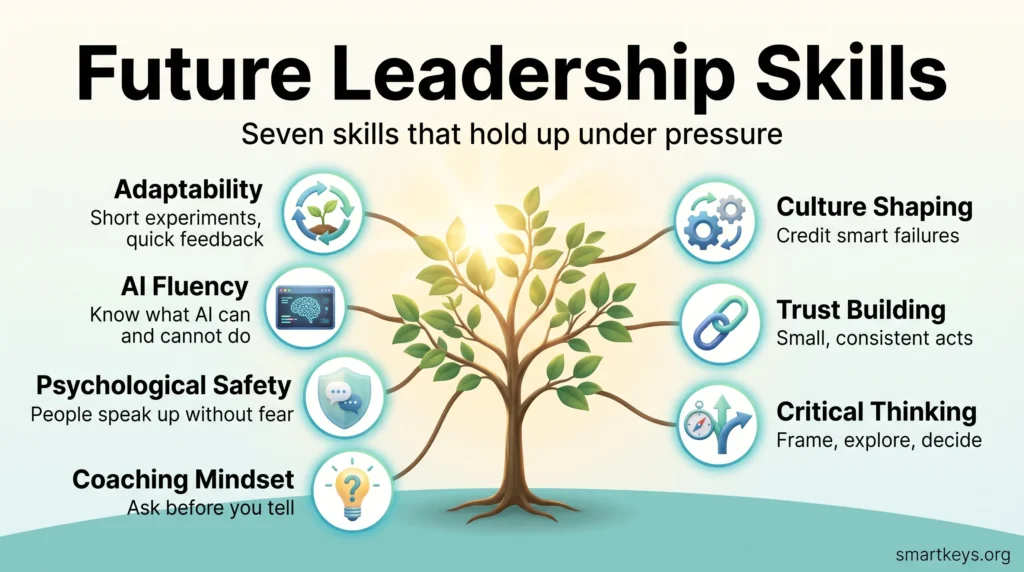
7 Must-Have Future Leadership Skills for the 2026 Workplace
Leading in 2026 means deciding while the ground keeps moving. Seven future leadership skills that…