

Future of Work
The future of work is no longer a forecast — it is already showing up in AI-assisted hiring pipelines, four-day workweeks, teams spread across a dozen time zones, and job titles that did not exist five years ago. Smart Keys tracks that shift and translates it into decisions you can actually make.
AI and automation at work. Where algorithms genuinely augment human judgment, where they replace it, and how to govern both. We cover AI in recruitment and performance management, algorithmic management ethics, automation risk assessment, and the governance frameworks companies need before deployment, not after.
Remote, hybrid and distributed teams. Practical guidance on hybrid work policies, asynchronous collaboration, proximity bias, digital nomad rules, cross-border payroll, and the security questions that come with working from anywhere.
Skills and careers. Upskilling and reskilling strategies, micro-credentials, mid-career retraining, career lattices, and the human capabilities — judgment, communication, adaptability — that stay valuable as tools change.
Workplace tech and culture. VR training, wearables, robotics, workforce analytics, employee experience platforms, and the wellbeing, inclusion and right-to-disconnect questions each one raises.
Policy and the bigger picture. Gig economy regulation, data privacy law, universal basic income debates, and how governments are rewriting the rules of employment.
Whether you lead a team, run HR, or are planning your own next decade of work, start here.
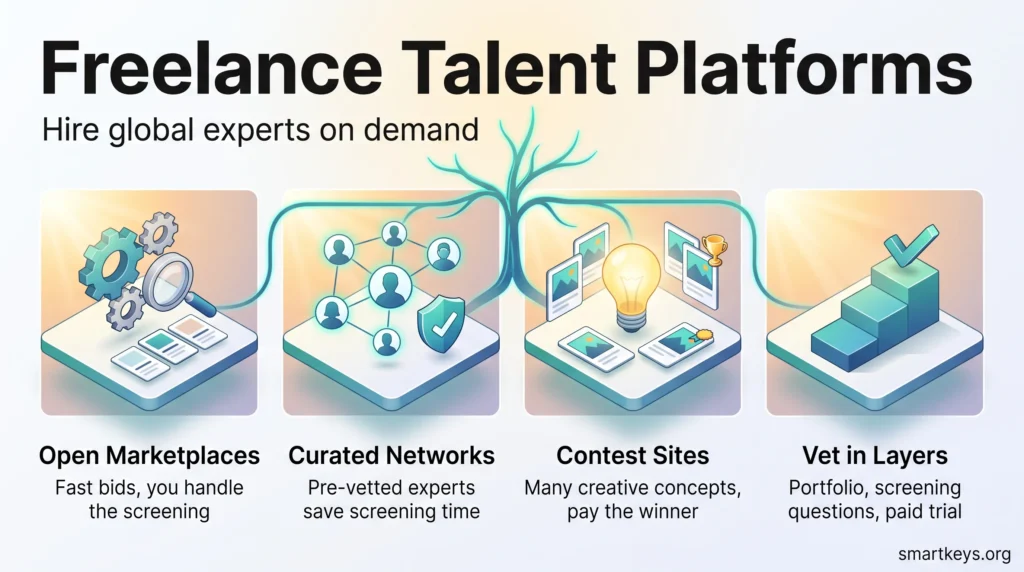
Freelance Talent Platforms in 2026: Hire Global Experts on Demand
A practical 2026 guide to freelance talent platforms: how open marketplaces, curated networks and contest…
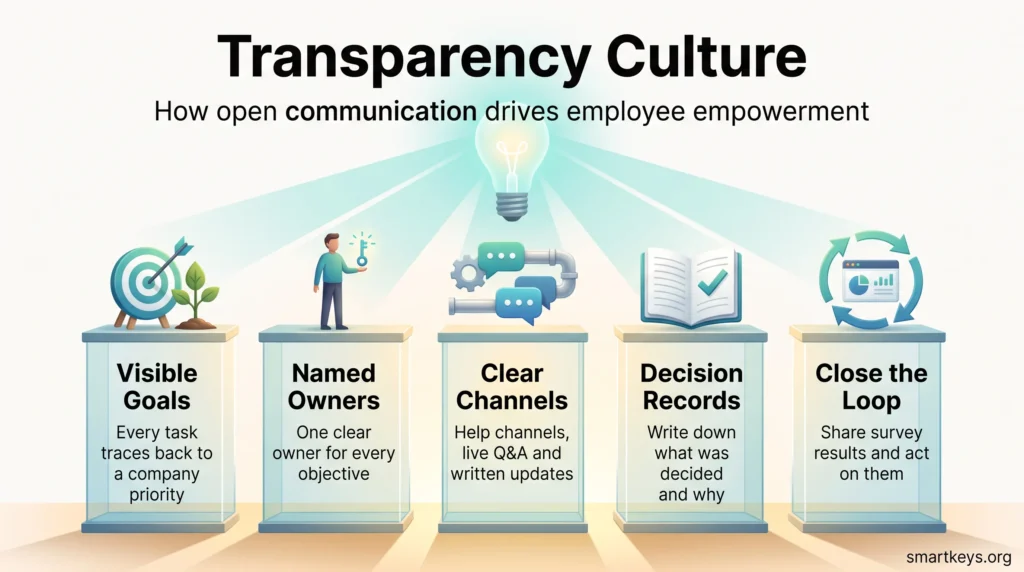
Transparency Culture: How Open Communication Drives Employee Empowerment
A transparency culture is a workplace where people can find out what is happening, who…
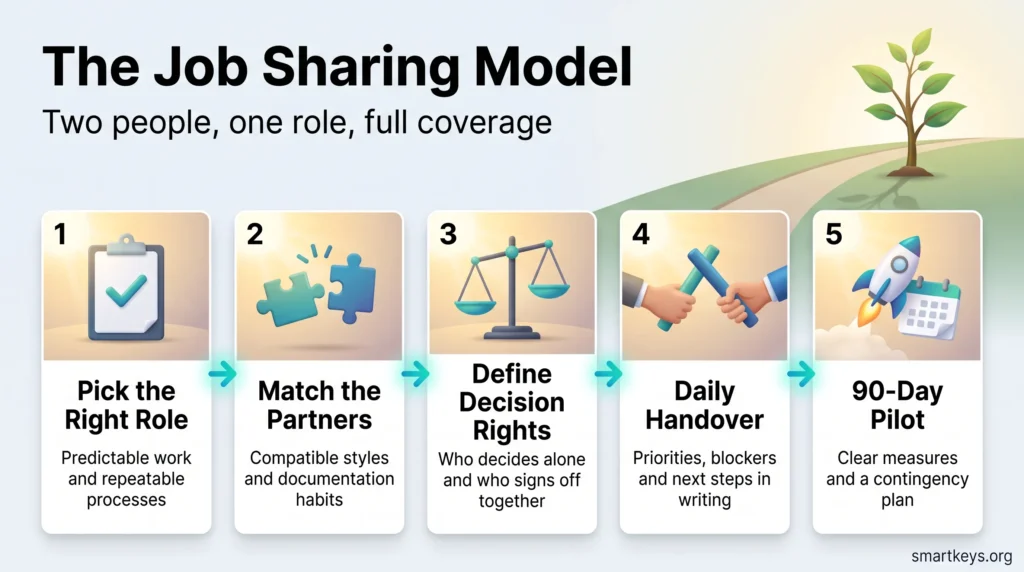
Job Sharing Model: How Two People Can Run One Role in 2026
Job sharing splits one full-time role between two people who jointly own the results. This…
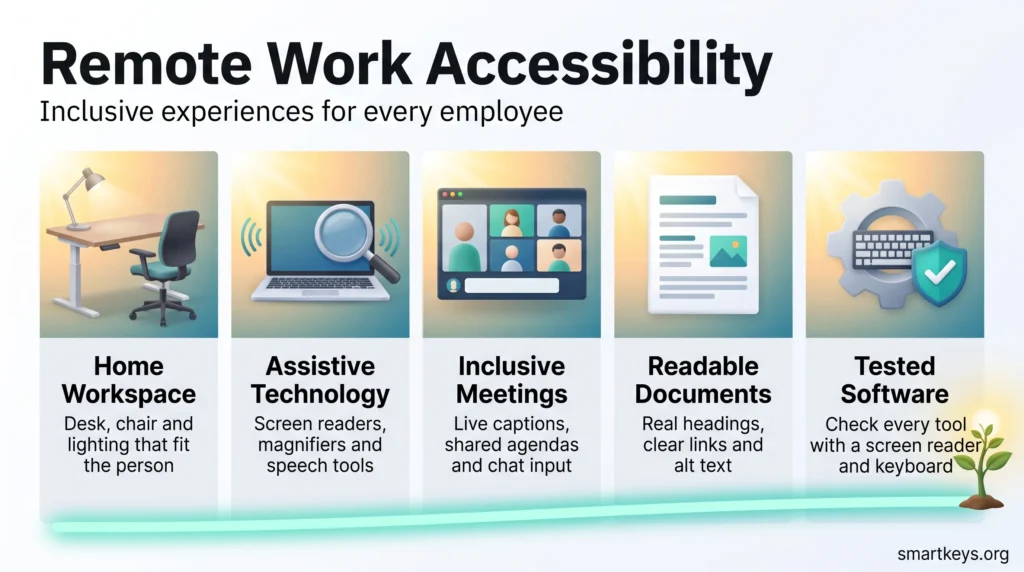
Remote Work Accessibility: Designing Inclusive Experiences for All Employees
Remote work accessibility means building tools, meetings and documents so an employee with a disability…
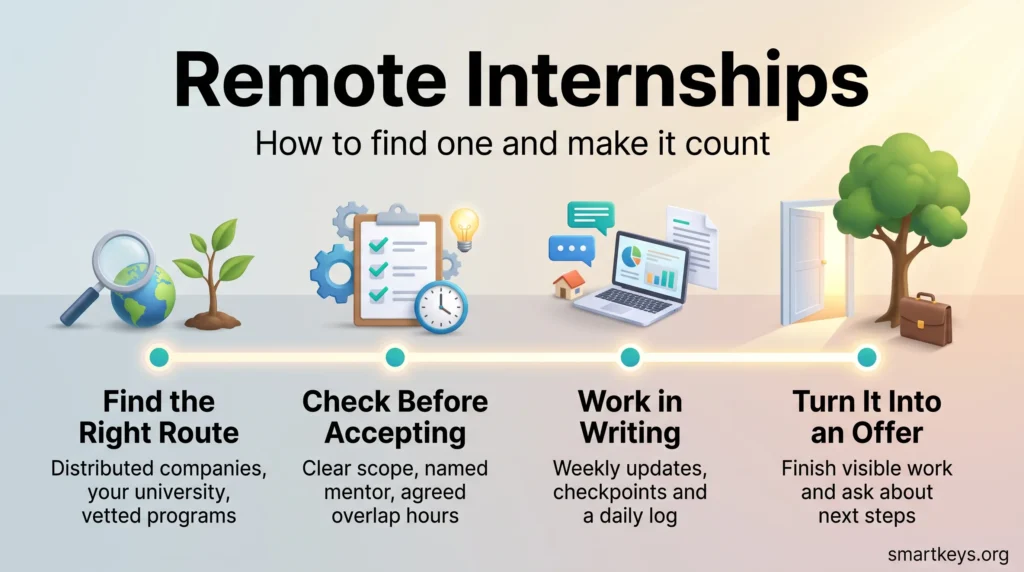
Remote Internships in 2026: How to Find One and Make It Count
Fully remote internships are rarer than the ads suggest: only 0.9% of US employer internships…
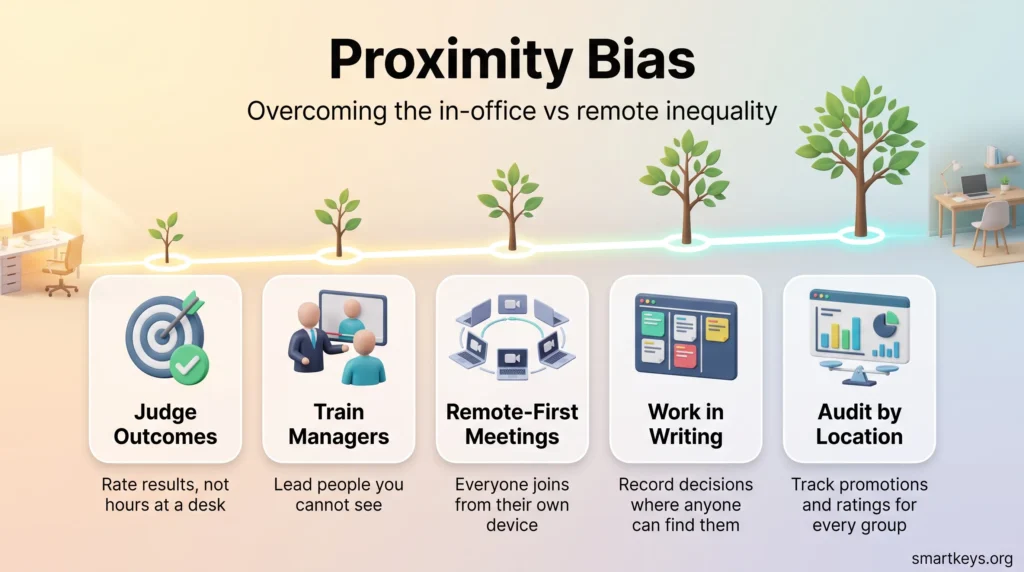
Proximity Bias: Overcoming the In-Office vs Remote Inequality
Proximity bias rewards the people managers see most, not the people who deliver most. What…
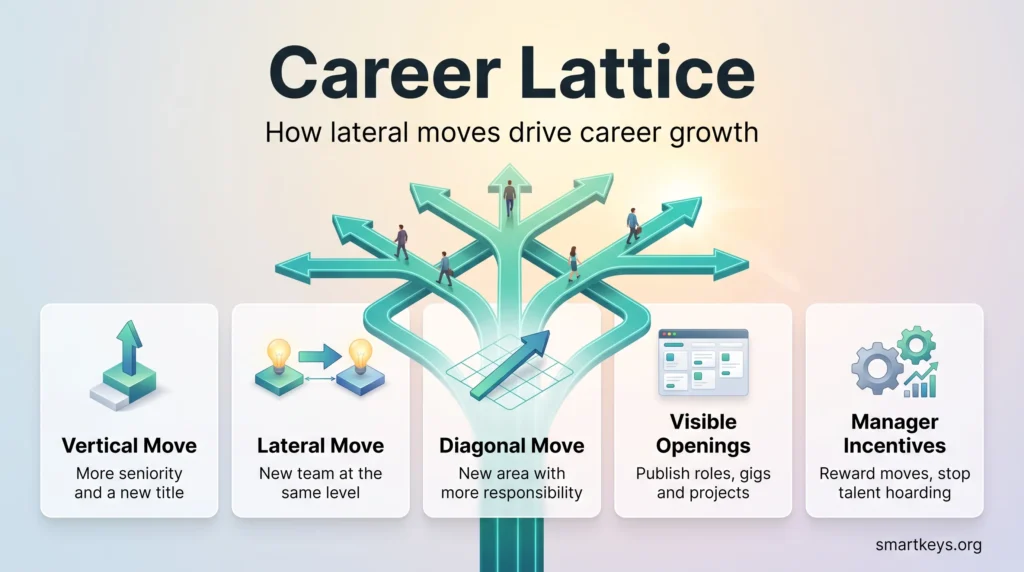
Career Lattice: How Lateral Moves Drive Career Growth in 2026
A career lattice treats growth as multidirectional: up, sideways and diagonal. What the model is,…
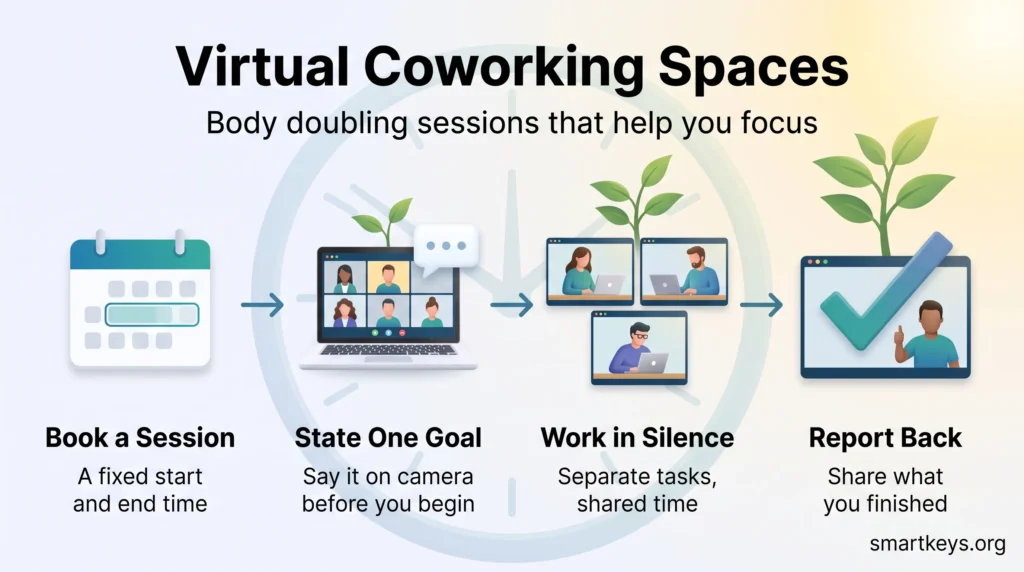
Virtual Coworking Spaces: Body Doubling Sessions That Help You Focus
A virtual coworking space is a scheduled online room where people work on their own…
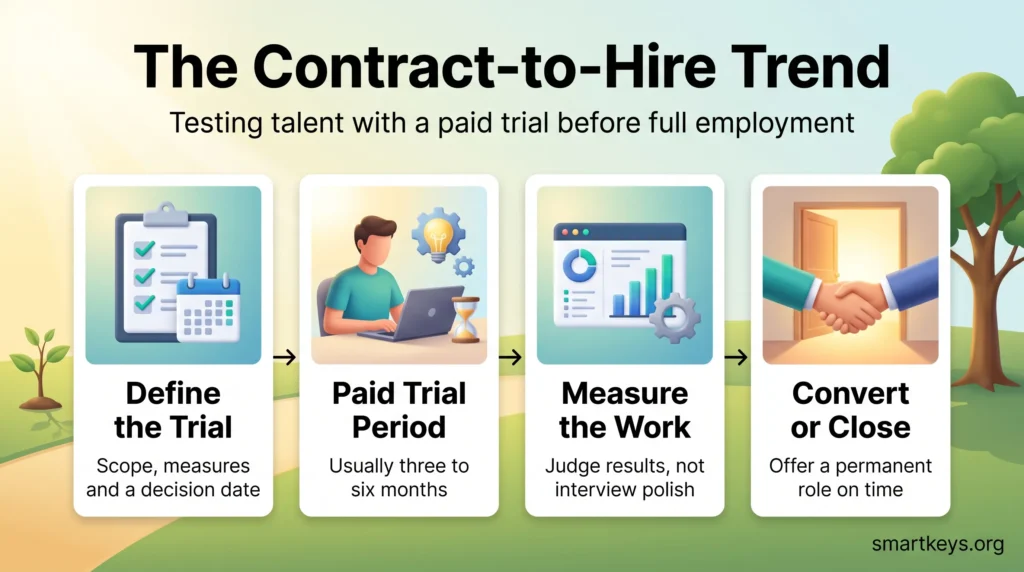
The Contract-to-Hire Trend in 2026: Testing Talent Before Full Employment
Contract-to-hire is a paid, fixed-term trial with a written path to a permanent job. How…
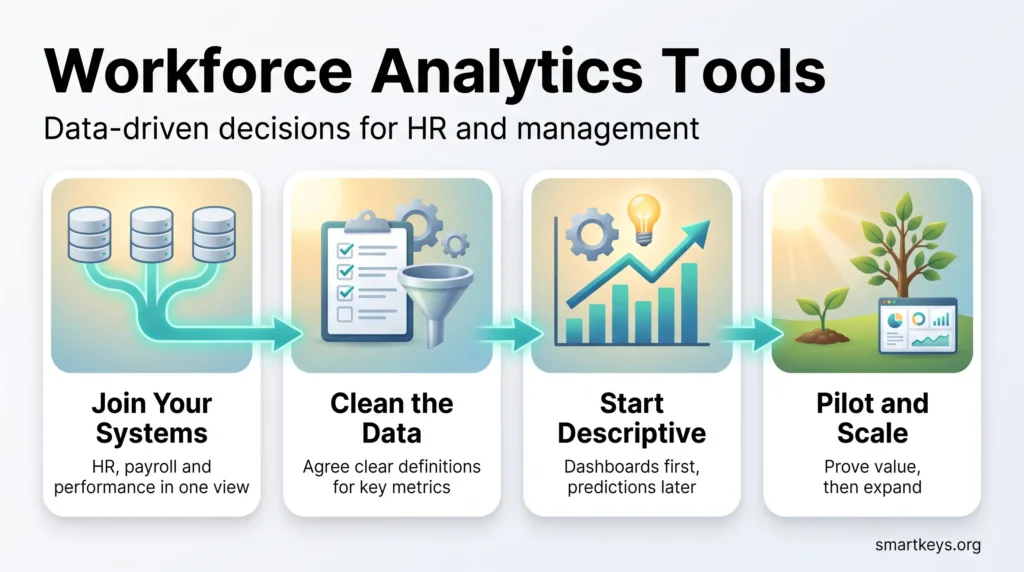
Workforce Analytics Tools: Data-Driven Decisions for HR and Management
Most HR teams already have the data they need. It just sits in five systems…
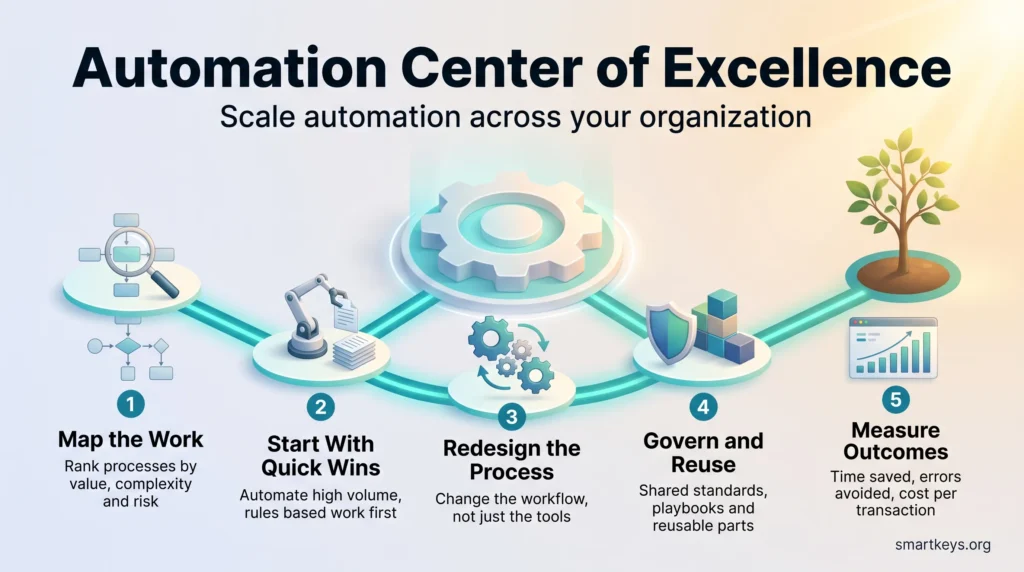
Automation Center of Excellence: How to Scale Automation in 2026
Most companies do not have an automation problem, they have a scaling problem. What an…
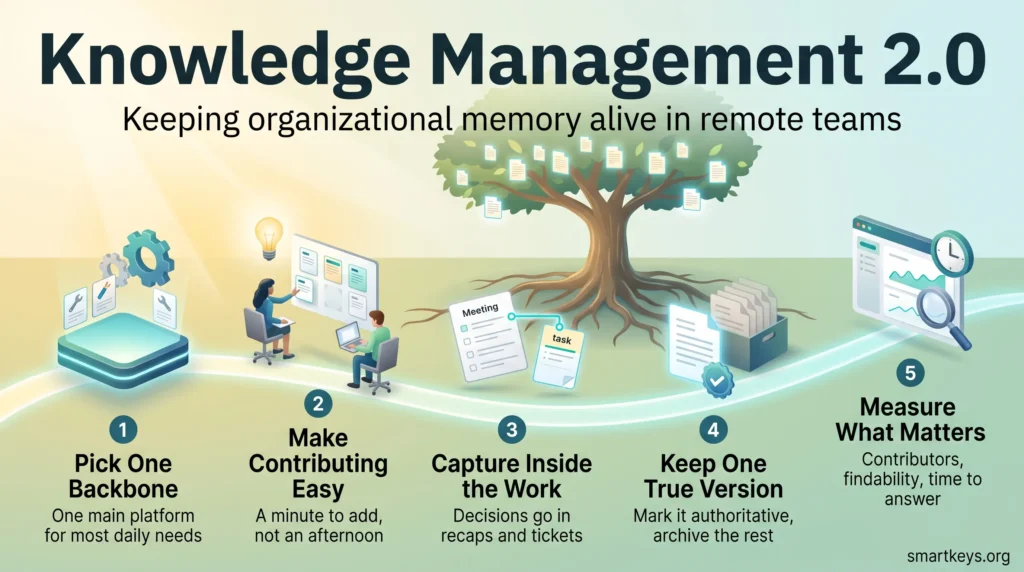
Knowledge Management 2.0: Future-Proofing Organizational Memory in Remote Teams
Knowledge Management 2.0 explained: how distributed teams capture, share and reuse what they already know.…