

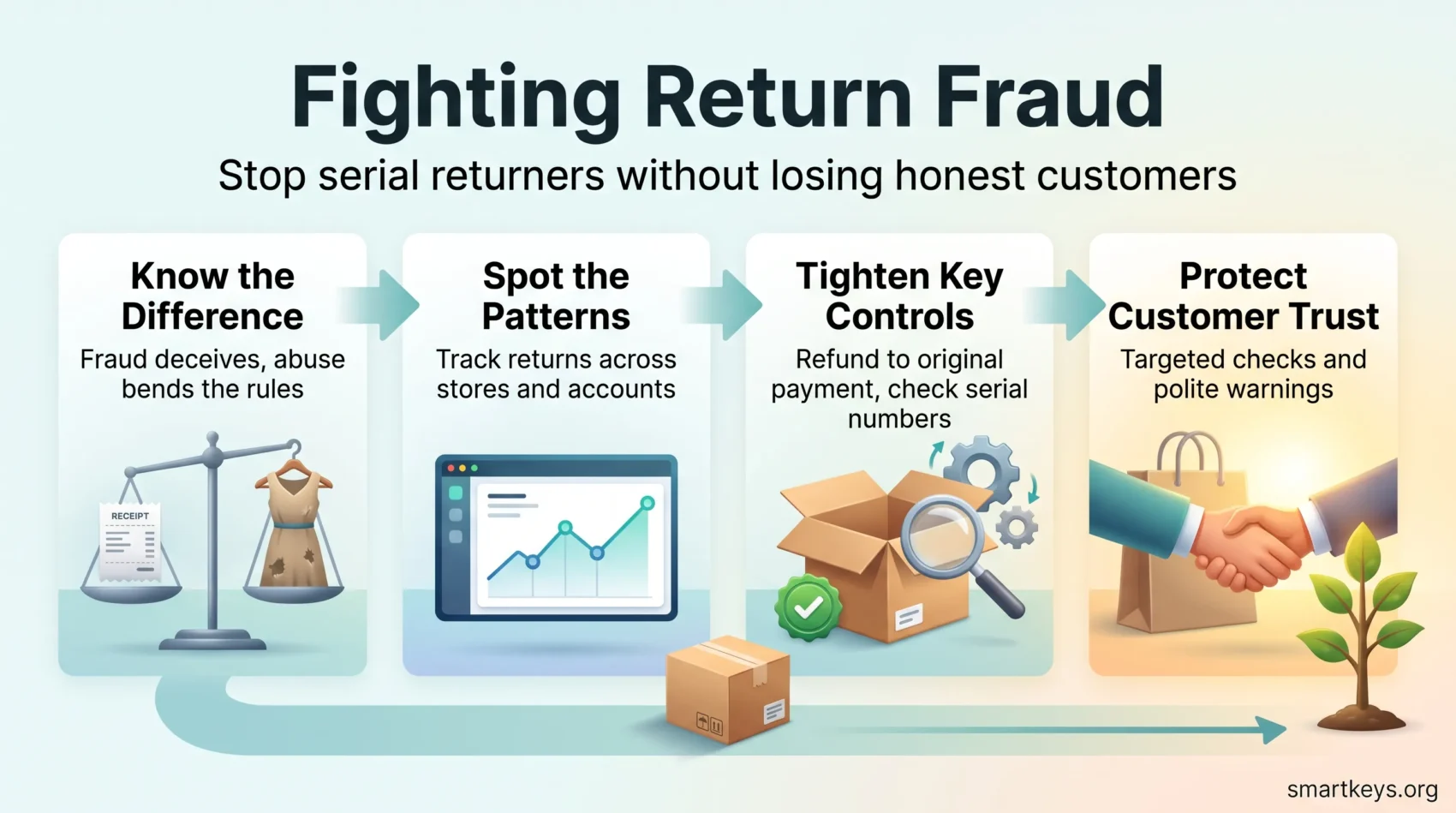
Return fraud is when someone uses a store’s return process to get money or goods they are not entitled to. It sits next to a softer problem called returns abuse: returns that follow the letter of the policy but break its spirit. Both cost retailers far more than most shoppers realize.
The scale is large. U.S. shoppers returned about $743 billion in merchandise in 2023, and the National Retail Federation and Appriss Retail put return fraud losses at $101 billion that year. Newer data from 2025 and 2026 tells a more nuanced story: outright fraud is a small slice, while everyday abuse makes up most of the preventable loss.
That nuance matters for anyone running a shop. Crack down too hard and you punish honest customers. Do nothing and serial returners eat your margin. This guide shows how return fraud works, how retailers spot it, and how to tighten controls without losing good customers.
Key Takeaways
- Return fraud is a crime (fake receipts, stolen goods). Returns abuse is legal but costly (wearing and returning, ordering several sizes).
- Appriss Retail’s 2026 benchmark found that abuse caused about six times more loss than fraud in 2025.
- Most retailers now use AI to flag risky returns, but shoppers want to know how those decisions are made.
- Targeted checks and clear warnings work better than strict rules for everyone.
What Is Return Fraud and How Does It Work?
Every return policy is a promise: bring back an item that does not work for you, and you get your money back. Return fraud exploits that promise on purpose.
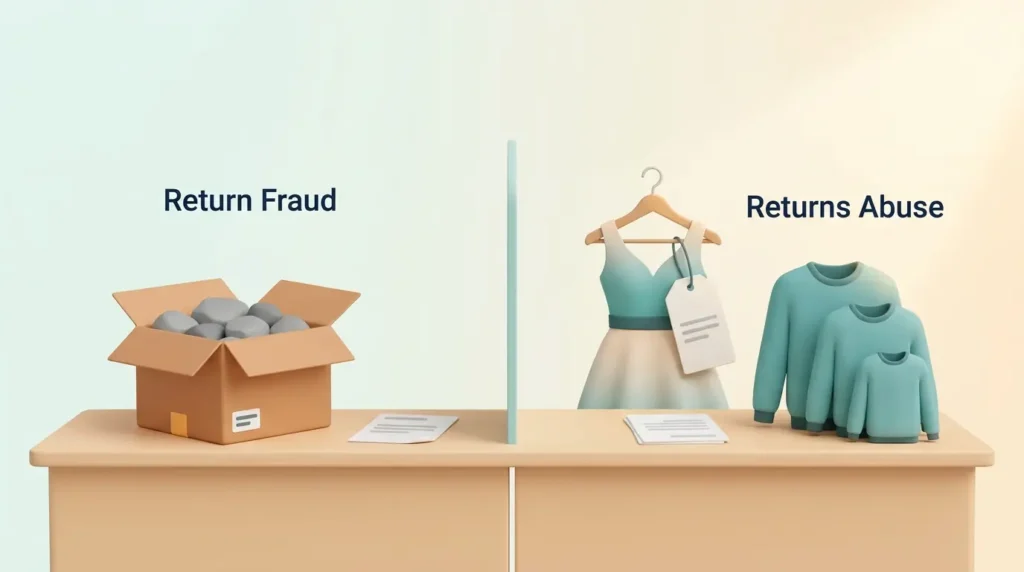
Fraudsters usually study a store’s policy first. They look for gaps, such as stores that refund without a receipt, issue cash for gift purchases, or approve online returns automatically. Then they return something they never bought, a different item than the one they bought, or an item paid for with stolen money.
It helps to separate two groups:
- Return fraud: deliberate deception. Examples include fake or altered receipts, returning shoplifted goods, or sending back an empty box. It can be charged as theft or fraud.
- Returns abuse: behavior that may be allowed by the policy but costs the retailer heavily. Examples include wearing a dress to an event and returning it, or regularly ordering three sizes and keeping one.
The line is not always sharp, but it shapes your response. Fraud calls for detection and, in serious cases, the police. Abuse calls for better policy design.
Common Types of Return Fraud Retailers Need to Know
Knowing the common schemes helps staff and systems spot them early. Retailers report these patterns most often:
- Receipt fraud: using a fake, altered, stolen or found receipt to claim a refund for goods that were never paid for.
- Returning stolen goods: shoplifting an item and then “returning” it for cash or store credit. This is a common outlet for organized retail crime groups.
- Wardrobing: wearing or using an item once, then returning it as if new. Party clothes, cameras and tools are typical targets.
- Item switching: returning a cheaper, broken or counterfeit item in the original packaging and keeping the real product.
- Empty box or “box of rocks”: shipping back a box that is empty or filled with something of similar weight. This hits online electronics sellers hardest.
- Price switching: moving a lower price tag onto an expensive item, or buying at a sale price and returning for a full-price refund.
- Tender fraud: buying with a stolen card, then returning for cash or store credit that cannot be traced back.
The 2025 NRF and Happy Returns report asked retailers that track such incidents what they see most. The top answers were overstated return quantities (71%), empty boxes (65%) and decoy returns such as counterfeits (64%).
Why Return Fraud Keeps Growing in Online and In-Store Retail
Returns have grown with online shopping. Shoppers cannot touch or try products before they buy, so they send more back. NRF and Happy Returns estimate that about 19.3% of online sales were returned in 2025, compared with 15.8% of all retail sales.
Online returns also give fraudsters cover. There is no face-to-face contact, and many stores approve returns automatically to keep service fast. That makes it easier to send back the wrong item or an empty box.
Cross-channel returns add another gap, and a true omnichannel setup is what closes it. Appriss Retail’s 2026 report named “buy online, return in store” as the fastest-growing source of fraud and abuse. It cost retailers about $4 billion in cross-channel fraud in 2025. When the online and store systems do not share data, a store clerk cannot see what was actually shipped.
Shopper attitudes play a role too. In the NRF survey, close to two thirds of consumers admitted to at least one costly return behavior, and 45% said “bending the truth” is acceptable when returning. Holiday seasons raise the stakes further: retailers expected about 17% of holiday sales to come back in 2025.
The Financial and Operational Cost of Return Fraud
The most recent full picture comes from Appriss Retail’s 2026 Total Retail Loss Benchmark Report, published in February 2026. It estimates that U.S. shoppers returned $706 billion in merchandise in 2025. Of that, about $100 billion, or 14.2%, was preventable loss from fraud and abuse.
The split is the surprising part. Returns abuse accounted for about $86 billion, roughly six times the loss from outright fraud. In other words, the biggest leak is not criminals with fake receipts. It is ordinary customers stretching the rules.
Keep in mind that Appriss sells loss-prevention software. NRF’s 2025 survey uses a different method and estimates $849.9 billion in returns, with 9% of all returns seen as fraudulent. The exact numbers vary by source. The direction does not: returns are a major cost line, and a meaningful part of it is avoidable.
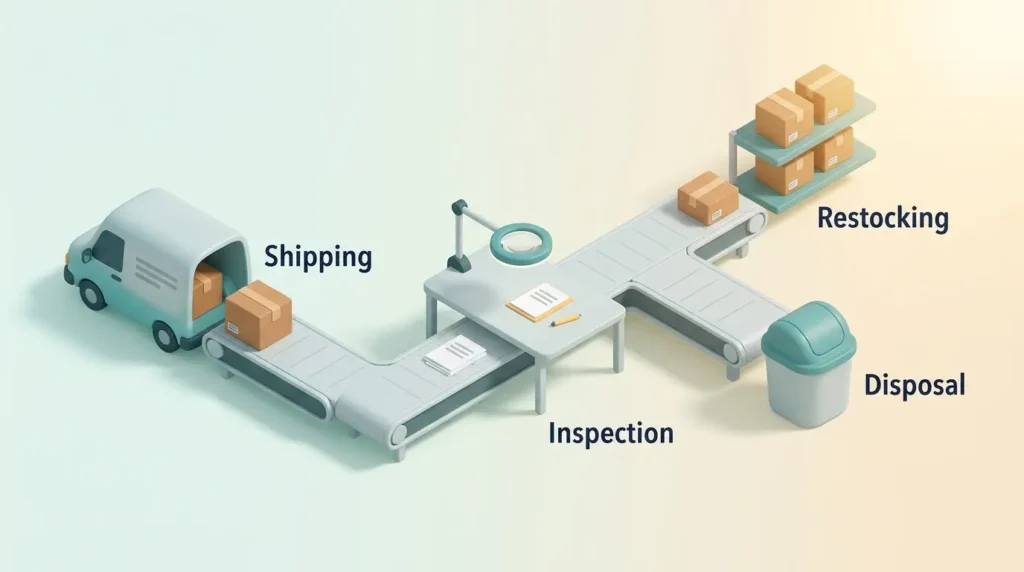
Beyond the refund itself, every return creates hidden work:
- Reverse shipping and handling.
- Inspection and processing of returned items.
- Restocking, repackaging, or selling through resale and recommerce channels.
- Disposal of goods that can no longer be sold.
When these costs climb, retailers raise prices, tighten policies or accept lower margins. None of that helps honest shoppers.
How Retailers Spot Serial Returners and Suspicious Returns
A serial returner is a customer whose return pattern stands out from normal behavior. Most are not criminals: some bracket sizes, some wardrobe, and a few run schemes. The goal is to tell them apart.
Common red flags include:
- Frequent returns without a receipt, or with receipts from other locations.
- High return velocity: many returns in a short time.
- Returns spread across several stores or accounts tied to one person.
- Returned items that do not match the serial number, SKU (the retailer’s product code) or condition of what was sold.
- Repeated “item not received” or “box arrived empty” claims.
Modern systems connect these signals instead of relying on one. They link loyalty accounts, payment cards, devices, shipping addresses and IP addresses to build a return history per customer. This is a form of behavioral analytics: it looks at patterns over time, not single events.
For example, an electronics store might see that one account returned four headphones in six weeks, each “opened but unused,” each to a different branch. One return is normal. The pattern is worth a closer look before the fifth refund goes out.
Return Fraud Prevention Strategies That Protect Your Business
Good prevention starts with a clear return policy. Write it in plain language and make it easy to find. It should cover the return window, the required condition and packaging, items you do not take back, and what proof of purchase you need.
From there, a few controls do most of the work:
- Return authorization numbers: link each online return to a verified order before the customer ships anything.
- Refund to the original payment method: this stops stolen-card purchases from turning into cash or transferable store credit.
- Serial number and SKU checks: confirm that the item coming back is the one that went out.
- Inspection before refund for high-value items: test electronics and photograph their condition before releasing the money.
- Tags and seals: large, visible tags on clothing make wardrobing harder because the item cannot be worn unnoticed.
- Return fees or shorter windows for selected items: many retailers now charge for some returns, citing processing and shipping costs.
Apply these rules the same way every time. Consistency protects you from claims of unfair treatment and closes the gaps abusers look for.
Using Data, AI and Staff Training to Reduce Fraud
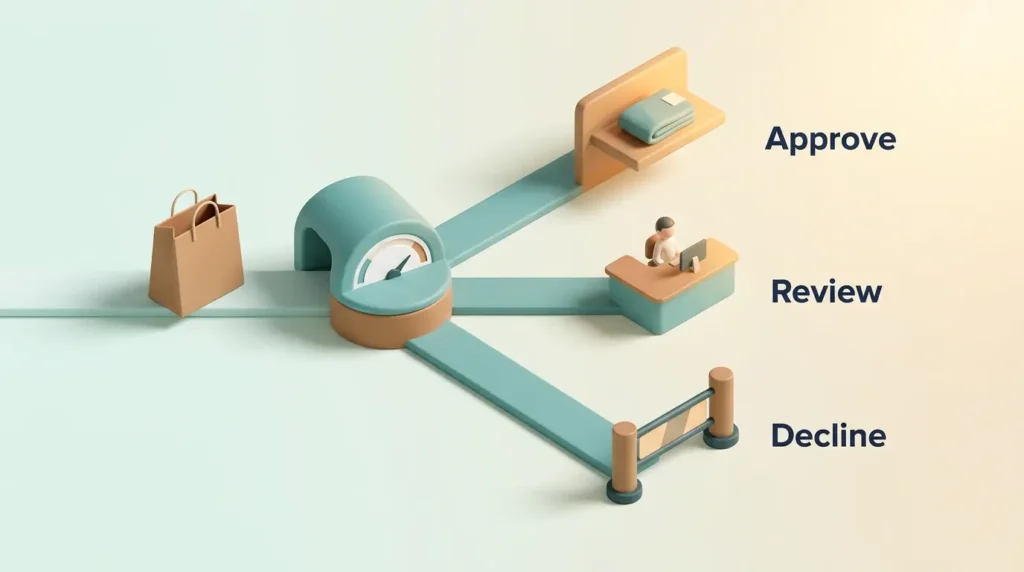
Technology now does much of the detection. In the NRF 2025 survey, 85% of large retailers said they use AI to detect or prevent return fraud. In practice, that means software that scores each return for risk in real time and suggests approve, review or decline.
The data behind it matters more than the algorithm. A customer data platform (CDP) combines customer records from your store, website and app into one profile. Paired with a solid first-party data strategy, it shows a shopper’s full return history across channels. Without it, each channel sees only a fragment. Linking this much customer data also brings duties; see our overview of data privacy trends.
Shoppers, however, are wary of machines making the call. Appriss reports that 80% of consumers want transparency in how AI decides on returns, and 71% trust human associates more than AI for approvals. This is a strong argument for explainable AI: systems that can show why a return was flagged, so staff can explain it to the customer.
People remain the last line of defense. Train store and warehouse teams on the basics:
- How to check receipts, serial numbers and product condition.
- When to escalate a return rather than decide on the spot.
- How to explain a decision calmly and without accusing anyone.
Regular audits, part of any solid risk management framework, also catch inside jobs, such as an employee issuing refunds to friends for goods that never came back. Appriss lists employee theft as the largest preventable part of shrink (inventory lost to theft, error or damage), so returns desks deserve the same oversight as cash registers.
How to Fight Fraud Without Losing Customer Trust
The hardest part is catching bad actors without driving away good customers. That balance is part of building digital trust. NRF found that 82% of shoppers see free returns as a major factor in where they shop. About 71% are less likely to come back after a poor returns experience.
The answer is precision. Apply extra checks only when real risk signals appear, not to every customer. A first-time buyer returning a sweater should have a smooth experience. An account with a dozen high-value returns in a month can get a review.
Warnings work well here. Appriss reports that 90% of consumers will buy again after receiving a warning about their return behavior. A short, polite message explaining the policy often changes behavior without losing the customer. Refusing returns should be the last step.
A few more practices help keep the balance:
- Create clear exception paths for late or damaged returns, so staff can help legitimate shoppers.
- Offer fast exchanges or store credit as an attractive option, which many shoppers prefer.
- Track approval rates, fraud losses, processing times and complaints together, so you can see if a control is hurting honest customers.
- Use responsive customer service to resolve disputes quickly and fairly.
Handled well, a fair returns process supports customer loyalty and your retention strategies instead of working against them.
Cross-border sellers face extra return costs from customs and shipping; see our guide to cross-border e-commerce. And as AI shopping assistants start buying on behalf of customers, it is worth planning now for how agent-made purchases will be returned and verified.
Conclusion
Return fraud and returns abuse drain revenue, distort inventory and erode trust. The latest data shows outright fraud is only a small part of the problem. Most preventable loss comes from everyday abuse that clearer policies and targeted warnings can reduce.
Build protection into each step: clear rules, purchase checks, refunds to the original payment method, inspections for high-value items and trained teams. Use data to flag unusual patterns, and apply extra checks only when the facts support them. Then review losses, processing times and customer feedback often. That approach limits return fraud while keeping returns easy for honest shoppers.
Found this useful?
Make SmartKeys a preferred source on Google, and our articles will surface more often in your Top Stories, AI Overviews, and AI Mode.
Add as Preferred SourceFAQ
What is return fraud?
Return fraud is the deliberate misuse of a store’s return process to get a refund, store credit or goods you are not entitled to. Typical examples are returning stolen items, using fake or found receipts, switching a cheap item for an expensive one, or sending back an empty box. It differs from returns abuse, which covers behavior like wearing an outfit once and returning it. Abuse may technically fit the policy, while fraud involves clear deception and can be prosecuted as theft or fraud in most places.
What is the difference between return fraud and returns abuse?
Return fraud is intentional deception, such as returning stolen goods or using a fake receipt, while returns abuse means stretching a legitimate policy in costly ways. Wardrobing (using an item once and returning it) and bracketing (ordering several sizes and keeping one) are common forms of abuse. The difference matters because the fixes differ. Fraud calls for detection and sometimes legal action. Abuse is better handled with clearer policies, return fees for specific cases, and polite warnings to repeat offenders. Appriss Retail’s 2026 report found abuse caused far more loss than fraud.
How can I identify suspicious return behavior?
Look for patterns over time rather than single returns. Warning signs include frequent returns without a receipt, many returns in a short period, and returns spread across several stores or accounts. Items that do not match what was sold and repeated “empty box” claims are further signals. Linking loyalty accounts, payment cards, addresses and devices into one return history makes these patterns visible. One unusual return is normal; a repeated pattern deserves a closer look before the next refund.
How much does return fraud cost retailers?
Estimates run to around $100 billion a year in the United States, although figures differ by source and method. NRF and Appriss Retail put return fraud losses at $101 billion in 2023. Appriss Retail’s 2026 benchmark estimates $100 billion of preventable loss from fraud and abuse combined in 2025, with abuse responsible for about $86 billion of it. On top of the refunds themselves, retailers pay for reverse shipping, inspection, restocking and disposal of items that cannot be resold.
What strategies can retailers implement to prevent return fraud?
Start with a clear, easy-to-find return policy that states the time window, required condition and proof of purchase. Then add a few targeted controls: return authorization numbers for online orders, refunds only to the original payment method, serial number checks, and inspection before refunding high-value items. Visible tags on clothing reduce wardrobing. Train staff to check items consistently and to escalate unusual cases. Applying the same rules every time closes the gaps that fraudsters look for.
How can AI help reduce return fraud?
AI helps by scoring each return for risk in real time, using signals such as return history, payment method, device and address. Low-risk returns go through instantly, while risky ones are sent to a person for review. In NRF’s 2025 survey, 85% of large retailers said they use AI for this purpose. The catch is trust. Many shoppers want to know how an AI decision was made. Systems that explain why a return was flagged, with a human who can review it, work best.
How can retailers prevent fraud without losing customer trust?
Use extra checks only where real risk signals appear, and keep returns easy for everyone else. Free or simple returns strongly influence where people shop, so blanket restrictions can cost more than they save. A polite warning to a repeat returner often changes behavior: Appriss Retail reports that 90% of consumers will buy again after receiving one. Clear exception paths, consistent decisions and quick customer service help honest shoppers feel treated fairly while abuse gets addressed.