Tools
Tools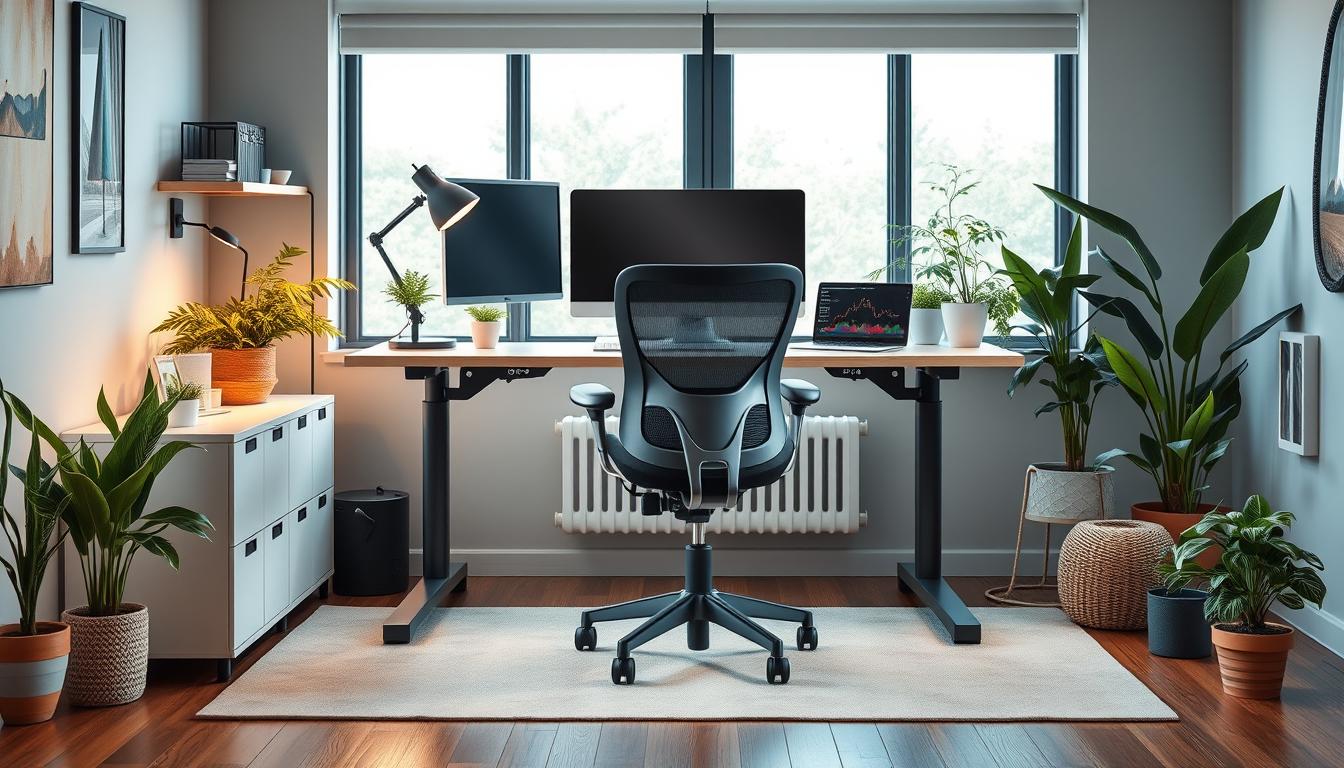
Last Updated on December 9, 2025
In today’s fast-paced work environment, the significance of ergonomics cannot be overlooked. Ergonomics plays a critical role in enhancing employee productivity and overall satisfaction in the workplace. A well-designed workspace focuses on ergonomics work efficiency, ensuring that you can work comfortably and effectively. Implementing proper ergonomic solutions not only leads to a healthier workforce but also creates a happier atmosphere, which can help improve productivity.
According to the Occupational Safety and Health Administration, daily repetitive strain causes numerous injuries that lead to absenteeism and reduced productivity. Furthermore, ergonomic injuries account for nearly 55 percent of emergency room visits for workplace injuries. By designing ergonomically sound workstations, you can significantly reduce the risk of disorders like carpal tunnel syndrome or muscle strains, which are outlined in the data by the United States Bureau of Labor Statistics. An investment in workplace ergonomics is an investment in employee well-being and business efficiency.
As this article unfolds, you will discover how focusing on ergonomics can not only transform your work environment but can lead to substantial benefits in productivity and employee satisfaction. For more insights on workplace ergonomics, visit this resource.
Key Takeaways
- Integrating ergonomics in the workplace can improve overall productivity.
- Workplace injuries can be significantly reduced with ergonomic practices.
- Efficient workstations enhance employee comfort and performance.
- Adjustments like sit/stand desks can alleviate physical strain.
- Investing in ergonomics yields long-term cost savings and employee retention.
Understanding Ergonomics
In today’s fast-paced work environment, ergonomics has become crucial for boosting employee productivity and well-being. It stems from the Greek word for “the science of work.” This field aims to optimize the interaction between workers and their surroundings. Modern workplace ergonomics play a key role in reducing physical stress and enhancing the work experience.
Definition and Origin of Ergonomics
Ergonomics involves strategies and methods to enhance work system efficiency and protect worker health. It emerged in the early 20th century as a scientific approach to human work. Ergonomics seeks to design tasks and environments that meet individual needs by understanding human behavior and workplace constraints.
Importance in the Modern Workplace
Modern workplace ergonomics significantly impacts employee comfort and productivity. Ergonomically designed workspaces reduce musculoskeletal disorders (MSDs) and worker compensation claims. By focusing on posture, repetitive motions, and physical exertion, companies can create a healthier work environment. This benefits both employees and the organization.
The Role of Ergonomics in Work Efficiency
Ergonomics is key to boosting work efficiency by aligning work environments with human capabilities and needs. By integrating ergonomic principles into daily workflows, companies can greatly improve productivity. This creates a better work atmosphere for all employees.
How Ergonomics Enhances Productivity
Adopting ergonomic designs significantly boosts productivity. Businesses that apply ergonomic principles see a 30% increase in productivity. Ergonomically designed workspaces help employees stay focused and avoid fatigue, leading to better work performance.
With a 25% decrease in absenteeism and a 24% rise in task completion rates, ergonomics benefits both individual workers and the organization. It’s a smart investment that pays off in many ways.
Physical Comfort and Its Impact on Performance
Physical comfort is crucial for work efficiency. Standing desks, for example, can reduce health risks like obesity and heart disease while enhancing cognitive function. Employees experience a 58% reduction in absenteeism due to better ergonomics.
Committing to workplace safety boosts morale and involvement, significantly improving performance. Seeing these improvements often leads to higher employee satisfaction and engagement. In some cases, this results in a 15% enhancement in these areas.
Benefits of Workplace Ergonomics
Investing in workplace ergonomics offers significant advantages for both employees and organizations. It supports overall employee health and boosts job satisfaction. A well-designed workspace leads to healthier employees and a more productive workforce.
Improved Employee Health and Wellness
Proper ergonomic practices prevent musculoskeletal disorders and reduce fatigue, enhancing overall employee health. Colorado State University offers ergonomic services for assessments and adjustments. Employees who use these services often have lower absenteeism rates, as they’re less likely to miss work due to health issues.
Reduced Workplace Injuries
Effective office ergonomics interventions can reduce musculoskeletal problems by an average of 61%. Companies that provide proper ergonomic equipment and training see a significant decrease in injuries. This leads to fewer lost workdays and lower worker compensation claims.
Increased Job Satisfaction
When employees feel their health and comfort are prioritized, their job satisfaction increases. Ergonomic improvements create a positive company culture, where workers are more engaged and motivated. Ergonomic programs boost morale and productivity, allowing employees to focus better on their tasks.
Ergonomic Solutions for Your Workspace
Creating a workspace that prioritizes comfort and health is essential for enhancing productivity. Implementing ergonomic solutions can significantly reduce discomfort and the risk of injury while promoting overall well-being. Key components, such as adjustable desks, proper monitor placement, and essential ergonomic tools, can transform your work environment.
Adjustable Desks and Chairs
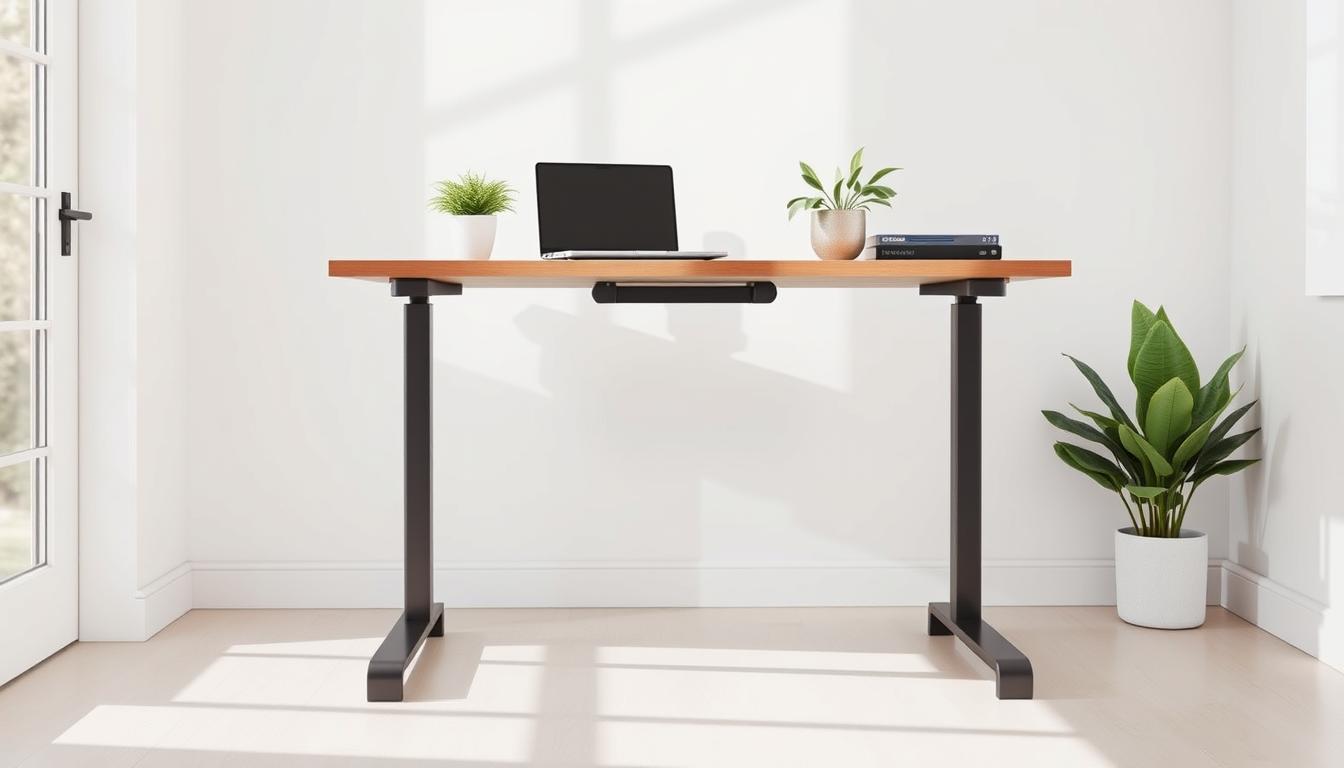
Investing in adjustable desks is a primary step towards achieving a healthier workstation. These desks allow you to alternate between sitting and standing, reducing the risks associated with prolonged sitting. Adjustable chairs provide necessary support for your back, promoting better posture. Maintaining a proper alignment can greatly decrease the likelihood of musculoskeletal disorders, making your work experience more comfortable and productive.
Proper Monitor Placement
Setting your monitor at the correct height and distance is crucial in avoiding neck strain and eye fatigue. The top of the monitor should align with your eyes when sitting in an upright position, and the screen should be approximately an arm’s length away. This setup encourages a neutral body position and enables focus on your tasks without discomfort, enhancing your overall performance.
Essential Ergonomic Tools
Including ergonomic tools in your workspace can further mitigate the risk of injuries related to repetitive tasks. Tools such as ergonomic keyboards, mice designed to minimize wrist strain, and anti-fatigue mats promote comfort while you work. These additions support healthy posture and can lead to increased satisfaction and productivity in your daily tasks. Incorporating these solutions fosters a healthier, more engaging work environment.

Ergonomics Work Efficiency
Understanding the role of ergonomics in boosting work efficiency is key for any organization seeking success. When ergonomic principles are applied, benefits go beyond individual comfort. They significantly impact the overall health of the business.
How it Translates to Increased Profitability
Implementing ergonomics optimizes employee productivity, leading to increased profitability. Studies indicate that employees using height-adjustable desks are 45% more productive than those in traditional setups. Prioritizing workplace ergonomics enables tasks to be completed more efficiently, reducing errors and driving business growth.
Cost Savings from Reduced Injuries
Investing in ergonomic solutions can lead to significant cost savings, especially with around 4 in 5 employees experiencing musculoskeletal disorders at work. Proper ergonomics reduce the risk of workplace injuries, lowering expenses for workers’ compensation claims. This investment addresses immediate challenges and fosters a safer work environment.
Long-Term Benefits for Employee Retention
A comfortable and supportive workspace boosts employee engagement. Employees in ergonomic environments focus better, making fewer mistakes. Enhanced morale also leads to lower turnover rates, creating a stable workforce. This longevity saves on recruitment costs and boosts collective productivity through retained experience and knowledge.

Implementing Ergonomics Best Practices
Creating a workspace that adheres to ergonomics best practices demands a detailed assessment of your current environment. It also necessitates ongoing training for your staff. By prioritizing ergonomics, you cultivate a culture of safety and efficiency in your workplace.
Assessing Your Current Workspace
Begin by conducting a thorough evaluation of your workspace. It’s vital to identify any ergonomic hazards to reduce the risk of musculoskeletal disorders (MSDs). Involving employees in this process can greatly enhance the effectiveness of ergonomic solutions.
Training Employees on Ergonomics
Regular ergonomics training is crucial. Offer opportunities for employees to learn about setting up workstations correctly, maintaining good posture, and reducing strain. When employees are educated by health professionals, there’s a significant drop in workplace injuries.
Creating a Culture of Ergonomics
Establish a culture centered on ergonomics by engaging employees in discussions about workplace safety. Encourage your team to share their ideas and feedback on ergonomic practices. This approach boosts job satisfaction and leads to fewer accidents, improving overall workplace wellbeing.
Ergonomic Tips for Improved Productivity
Creating a productive work environment begins with understanding ergonomic tips crucial for boosting efficiency. A key step is setting up an ergonomic desk correctly. A workspace designed with ergonomics in mind reduces physical strain and enhances mental focus. These are essential for sustained productivity.
Setting Up an Ergonomic Desk
When setting up an ergonomic desk, focus on several key elements. Your chair should provide adequate lumbar support and be adjusted so your feet rest flat on the floor. Position your keyboard and mouse within easy reach to avoid overextension. Ensure your monitor is at eye level to reduce neck and back strain.
Alternating between sitting and standing can offer significant benefits. Studies indicate these changes can decrease back and neck pain by up to 54% by reducing daily sitting time.
Regular Breaks and Movement
Regular breaks and movement are crucial in your work routine. Short breaks to stretch or walk can prevent fatigue and discomfort. Set reminders to stand up every hour and move around for a few minutes. This habit improves health and boosts productivity.
Using tools that facilitate movement enhances your ergonomic experience. Explore ergonomic tools and adjustable workstations that accommodate different body types.
Promoting Good Posture
Promoting good posture is more than just comfort; it’s essential for maintaining mental focus. Proper posture reduces fatigue, improves circulation, and enhances concentration during your workday. Practice maintaining a straight back, aligned shoulders, and relaxed wrists while typing.
Adapt your workspace layout to keep essential tools within reach. This minimizes excessive and unnecessary motions during repetitive tasks.
By following these ergonomic tips, you improve personal productivity and contribute to a company culture that values employee well-being. For more insights on enhancing work efficiency, explore these productivity-enhancing solutions.
Creating an Ergonomic Workspace Design
Designing an ergonomic workspace requires careful attention to several key elements. These elements boost productivity and well-being. An effective design goes beyond furniture, incorporating natural light, flexible layouts, and the latest technology. This ensures comfort and efficiency for all employees.
Elements of an Ideal Office Layout
An ideal office layout involves strategic placement of desks, chairs, and equipment. This promotes good posture and easy access to tools. Key elements include:
- The use of adjustable desks and ergonomic chairs that accommodate different body types.
- Ensuring monitors are at eye level to prevent neck strain.
- Arranging workspaces to minimize excessive reaching for supplies.
Incorporating Natural Light and Flexible Layouts
Natural light is crucial for creating a welcoming workspace. It boosts mood and productivity. Flexible layouts encourage movement, allowing employees to alternate between sitting and standing. This reduces spine pressure. Adding plants can also improve air quality and reduce stress.
Utilizing Technology for Ergonomics
Technology can revolutionize your workspace for ergonomics. Software that monitors posture and adjustable standing desks make the workspace more adaptable. Investing in ergonomic accessories like keyboard trays and monitor arms can greatly reduce discomfort. By combining technology with physical design, you create a balanced, productive workspace.
Conclusion
Incorporating ergonomics in the workplace is crucial for boosting productivity and fostering a supportive environment. It’s essential to recognize the ergonomics impact, as it greatly reduces workplace injuries and enhances job satisfaction. With 90% of employees experiencing physical discomfort due to poor ergonomics, it’s clear that creating a comfortable workspace is a priority.
Implementing ergonomic solutions like height-adjustable desks and proper workstation setups significantly improves workplace efficiency. Studies show that employees using these tools are 45% more productive than those with traditional desks. Additionally, regular breaks not only reduce health risks from prolonged sitting but also improve mental clarity, boosting productivity.
Adopting these practices promotes not just comfort but also a healthier, more engaged workforce. Integrating effective ergonomic strategies leads to a significant improvement in employee well-being and work quality. This investment yields substantial dividends in both morale and performance within your workplace.